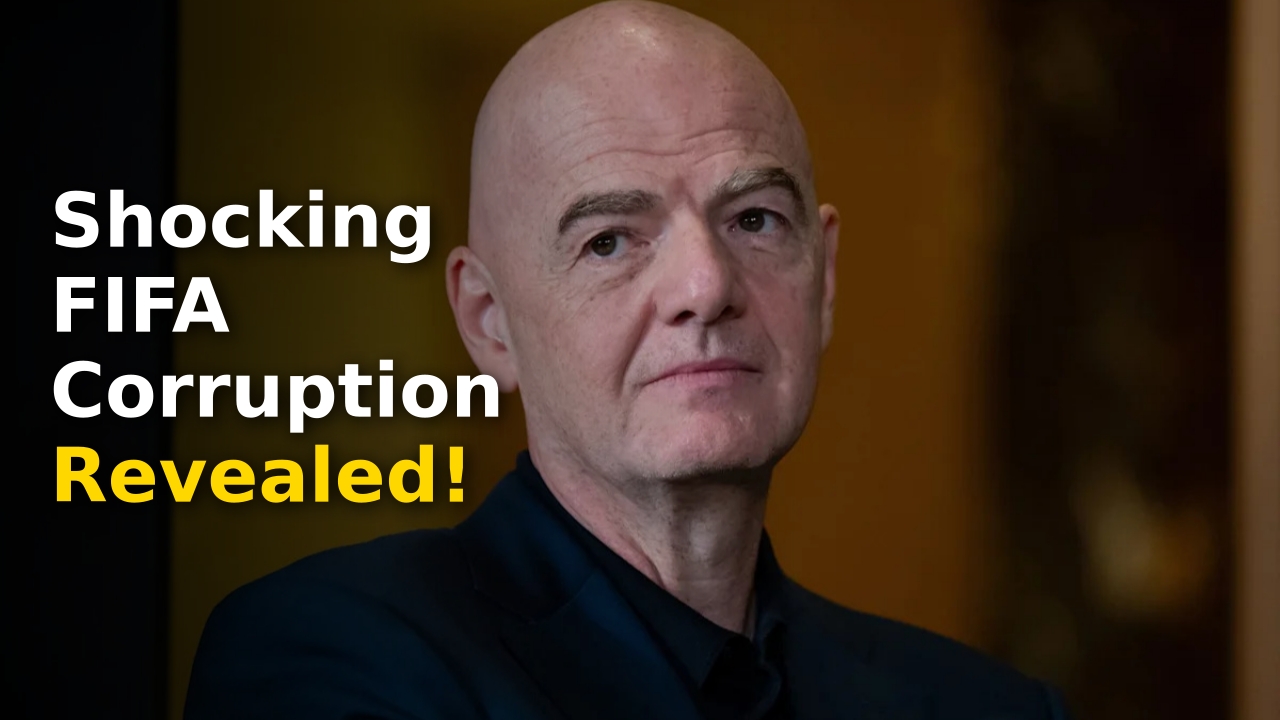
FIFA reform is the rallying cry echoing across every corner of the globe as thousands of supporters officially launch a movement to force the resignation of president Gianni Infantino. Do you realize that the very people who fuel the sport with their passion are finally tired of being treated like mere spectators in their own house? This isn’t just about a petition; it is a full-scale uprising against the opaque, closed-door decision-making processes that have come to define the current administration.
For years, you have watched as your favorite game was leveraged for private profit and political gain. Now, the tide is turning as fans, player unions, and even continental confederations unite to demand a total overhaul of the organization’s governance. The era of unchecked power is facing a serious challenge that could fundamentally alter the future of global football.
The Urgent Call for FIFA reform
The recent controversy surrounding Gianni Infantino and his abandoned plans to invite private investment into FIFA tournaments served as the breaking point for millions. Imagine a scenario where the World Cup, a tournament owned by the public’s love for the game, is sold off to private equity firms behind closed doors. This attempt to privatize the essence of international football was the catalyst that ignited this worldwide petition movement.
You might wonder why this matters so much right now. The answer lies in the persistent lack of transparency that has plagued FIFA since the systemic crises of 2015. When institutional leaders bypass their own members and negotiate in the shadows, they essentially betray the trust of every fan who spends their hard-earned money on tickets and merchandise.

The petition, hosted on Change.org, is gaining momentum because it bridges the gap between casual fans and organized supporters’ groups like Football Supporters Europe (FSE). Their director, Ronan Evain, has been vocal about the need for a complete reset. The argument is simple: if one person can hold this much concentrated power, the existing governance structure is fundamentally broken.
This is not a matter of one individual’s personality, but rather an issue of systemic failure. The 2016 reforms, once promised to be a turning point, have been effectively dismantled or rendered irrelevant. You are seeing the consequences of that regression in every decision that prioritizes corporate interests over the heartbeat of the pitch.
Consider the recent discussions involving the European Super League and the controversial ticket pricing strategies. Every time these issues arise, it is the ordinary fan who is alienated. By demanding a seat at the table, the petition isn’t just asking for a new president; it is asking for a structural revolution that ensures the sport is governed for the many, not the few.
The involvement of all six FIFA confederations signals that this is a global movement. From the stands in Africa and South America to the stadiums in Europe, the collective voice of the football community is becoming impossible to ignore. Whether you are a die-hard ultra or a casual viewer, your voice is now a weapon in the fight for transparency.
Why Governance Models Must Evolve
- The current presidential model allows for excessive power concentration without external checks.
- Governance should prioritize the voices of local supporters’ trusts and international unions.
- Rotating presidencies could prevent the entrenchment of individuals within the organization.
- Mandatory financial disclosure for all tournament-related private deals must be enforced.
- Independent oversight boards should hold decision-makers accountable during the negotiation process.
Key Figures and Official Data
Understanding the gravity of this situation requires looking at the numbers and the entities involved in this push for structural change. The following table highlights the stakeholders currently challenging the status quo, illustrating why the pressure on Infantino is higher than ever before in his tenure.
| Stakeholder Entity | Current Stance | Primary Conflict |
|---|---|---|
| Football Supporters Europe | Formal Petitioning | Lack of transparency |
| UEFA | Boycott Intent | Leadership confidence |
| Continental Confederations | Accusations of Deception | Secretive deal-making |
As the landscape of professional sports management continues to evolve, the public is becoming more savvy about how organizations function behind the scenes. You no longer have to accept the status quo if the leadership fails to align with the values of the community. The Reuters archive on sports administration shows that history rarely favors leaders who ignore the grassroots movement of their own constituents.

This isn’t just about one tournament or one president; it is about the long-term sustainability of football. When you look at the 2026 World Cup cycles, the financial stakes are higher than ever, which only increases the temptation for corruptible behavior. The demand for FIFA reform is a protective measure to ensure the game survives the corporate greed threatening to consume it.
Every signature on the petition acts as a vote of no confidence. It tells the organization that you are watching, that you are informed, and that you are ready to hold them accountable for every dollar and every decision made in your name. If you are interested in the broader impact of this event, stay updated on the legal repercussions by following credible news sources closely.
The Path to Future Integrity
Moving forward, the debate will center on what ‘reform’ actually looks like in practice. It is easy to demand change, but the implementation requires a rigorous look at how international sports bodies should be structured in the 21st century. The concept of a rotating presidency, mentioned by Ronan Evain, is a fascinating alternative that would prevent any single person from holding absolute authority for too long.
You must keep in mind that systemic change is rarely immediate. It requires constant pressure from the media, from sponsors who are sensitive to public opinion, and most importantly, from the millions of fans worldwide. When supporters speak in unison, organizations are eventually forced to listen, adapt, or face total obsolescence in the face of new, fan-owned or fan-governed competitive models.
The Swiss-led administration has long relied on the belief that they are too big to fail. However, the current level of anger indicates that fans no longer buy into that narrative. You have the power to influence the culture of the game by supporting these transparency initiatives and staying engaged with the progress of the petition.
If you want to understand why this matters for the long-term, think about the legacy of the sport. Future generations deserve to inherit a game that is democratic, fair, and above all, accessible. The fight for FIFA reform is the fight for the integrity of that legacy. You are part of a global movement that is fundamentally redefining the relationship between the governing body and the people who make the game possible.
As we watch these events unfold, remember that every massive change started with a small, persistent voice. The resignation of any leader is merely the first step; the true objective is to change the system so that future leaders are held to a higher standard. Keep pushing, keep reading, and keep demanding the accountability that the beautiful game deserves.
The ultimate goal is a FIFA that works for you, the fan. This push for FIFA reform is your opportunity to ensure that the governance of football finally catches up with the modern era. We will continue to track these developments as they emerge, ensuring you stay informed about every twist in this historic tale of accountability and power.
More Like This
For more updates, check out our latest entertainment and sports news.