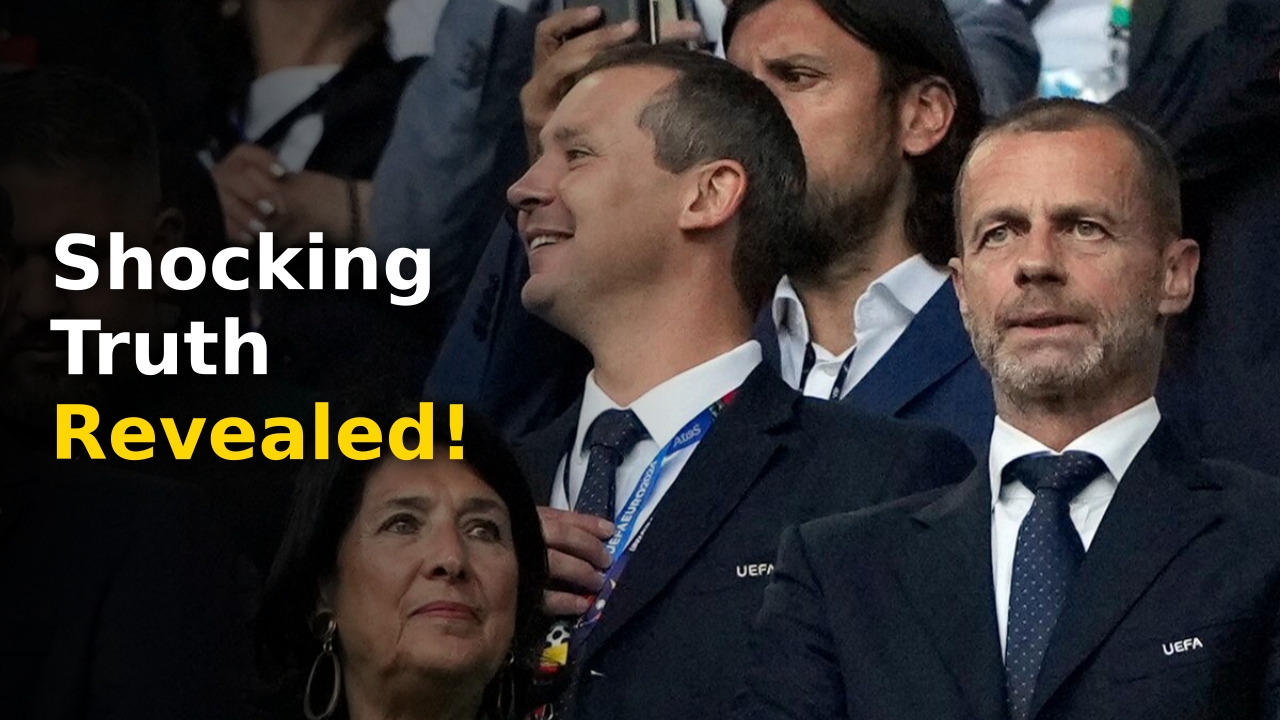
FIFA fallout is rapidly turning into a full-scale corporate nightmare as the organization faces an unprecedented internal mutiny following the departure of high-level executives. You have likely watched from the sidelines as the beautiful game is dragged through the mud, but the real story is playing out in the smoke-filled boardrooms of Zurich. When the Chief Operating Officer calls out his own boss for deception, you know the foundation of the world’s most powerful sporting body is cracking under the pressure of unbridled ambition.
The departure of Kevin Lamour is not just a resignation; it is a signal that the inner circle of Gianni Infantino is fracturing. As the president of the world soccer governing body attempts to secure his political future, the controversial $20 billion World Cup sell-off plan has become a flashcard for everything that is currently wrong with global sports governance. You deserve to understand exactly why this plan sent shockwaves through the industry and why the fallout is far from over.
The Growing FIFA Fallout
When an executive as senior as Kevin Lamour steps down, it usually signifies a terminal breakdown in communication and trust. Lamour’s public defense of his staff, specifically his claims regarding being “deceived” by the president, highlights a culture of secrecy that has defined the recent era of the organization. You can see how this creates a toxic environment where loyalty is expected but transparency is entirely absent from the decision-making process.
The timing of this resignation, happening in tandem with the departure of senior adviser Carlos Cordeiro, suggests a coordinated protest against the FIFA Forward Enterprise proposal. By branding the plan a “bad deal for football,” these men have effectively drawn a line in the sand. This is no longer just about financial restructuring; it is a battle for the soul of the organization, and you are witnessing the direct consequences of prioritizing profit over the integrity of the sport.
For those tracking the movement of power, the latest updates on industry leaders offer a glimpse into how these shifts ripple throughout global media circles. The sheer scale of the $20 billion figure involved in the proposed sale of future commercial rights is staggering by any standard. Even to an observer like you, it is clear that privatizing the world’s most popular tournament invites massive ethical scrutiny that simply cannot be ignored or wished away by public relations teams.

The role of Gianni Infantino has never been more precarious, despite his attempts to project stability ahead of his reelection. With the Nov. 18 deadline for challengers looming, the pressure is mounting from all corners of the globe. You might ask yourself why he would push such an unpopular agenda, but the answer usually leads back to the consolidation of financial control over the sport’s most lucrative assets.
The open letter from three major continental confederations serves as a damning indictment of the current leadership style. Describing the process as a “fundamental breach of trust” carries a weight that history will not soon forget. Whether you are a casual fan or a dedicated follower of the sport’s politics, this event marks a turning point that will likely reshape how the World Cup is governed for decades to come.
The disconnect between the top leadership and the national federations is becoming increasingly pronounced. While some Arab federations have voiced their support, the vocal opposition from UEFA and other bodies indicates that the organization is more divided than it has been in years. This friction point is crucial for your understanding of how international sports institutions survive or fail in the modern era.
Key Players in the Crisis
- Gianni Infantino: Currently facing mounting pressure to explain his strategic decisions regarding commercial rights.
- Kevin Lamour: The former COO who acted as a whistleblower regarding the transparency of the organization’s planning.
- Carlos Cordeiro: Senior adviser who publicly denounced the commercial subsidiary plan as detrimental to the sport.
- The Continental Confederations: Leaders from Europe, Asia, and the Americas who formally challenged the president’s integrity.
Economic Data and Organizational Impact
To grasp the gravity of the situation, we must analyze the numbers that define the current FIFA fallout. The proposed $20 billion valuation of future World Cup commercial profits was intended to be a cornerstone of the organization’s financial future, yet it instead became the primary catalyst for the current rebellion. The table below illustrates the various facets of this ongoing corporate struggle.
| Category | Details |
|---|---|
| Proposed Commercial Plan | $20 Billion Enterprise |
| Primary Conflict | Lack of Transparency / Deception |
| Key Deadline | November 18, 2026 |
| Organization Base | Zurich, Switzerland |
Looking at these figures, you can see how much is at stake for an organization that relies heavily on the success of a single quadrennial event. The backlash from UEFA, threatening a total boycott of games, is not merely a negotiation tactic but a clear warning that the established order will not accept private equity interference without a fight. You are observing the limits of centralized power in a global landscape that demands accountability.

Consider the international regulatory standards that apply to such massive commercial ventures, and you realize how unusual this proposed move was. The lack of open consultation described by staff suggests that the executive suite was operating in a vacuum. For a global entity that prides itself on being the governing body of a universal sport, this isolation is a major red flag for investors and fans alike.
History tells us that organizations which fail to adapt to internal dissent often face a painful period of restructuring. With the upcoming elections in Morocco, the organization is approaching a crossroads that will determine its credibility for the next cycle. You should be watching closely to see if the proposed reforms are merely cosmetic or if they represent a genuine change in direction for the governing body.
As you navigate the news reports, pay attention to the language used by the different factions. The word “deceived” has appeared multiple times in official statements, which is a rare and aggressive choice of vocabulary for top-tier sports officials. It indicates that the bridge between the president and his professional staff has been completely destroyed.
The financial future of the game remains tied to these decisions, and the fallout from these leadership exits will be felt in every stadium around the world. You have a vested interest in the integrity of the tournaments you love, and the ongoing saga of the $20 billion plan is a stark reminder that even the biggest organizations are susceptible to catastrophic failures of management.
Reflecting on the Future
As the dust begins to settle on the initial shock of these resignations, the question remains: can the current leadership survive this FIFA fallout? While Infantino retains support from specific regions, the erosion of confidence from the major continental powers is a significant blow that cannot be easily repaired. You can see that the path to a smooth reelection has been permanently blocked by this scandal.
The departure of figures like Lamour removes key institutional knowledge, making the recovery process even more difficult for the remaining executive team. If the organization hopes to regain its footing, it must address the calls for transparency that led to this crisis in the first place. You, the reader, should expect higher standards from the entities that manage the sports you are passionate about.
Ultimately, the power dynamic within the sport is shifting toward greater scrutiny. Whether or not this leads to a new president, the events of the last few weeks have set a precedent for accountability that will be difficult for anyone in power to ignore. Stay tuned to the latest developments, as the November deadline will likely bring even more revelations to light regarding the future of the organization.
The saga is a cautionary tale about the dangers of operating without the consent of stakeholders. As the organization prepares for its next chapter, the lessons learned from the failed $20 billion plan will likely serve as the benchmark for how not to manage the world’s game. Your engagement with these issues is the best way to ensure that sport continues to serve the fans rather than just the bottom line.
More Like This
For more updates, check out our latest entertainment and sports news.