
Key Takeaways
| Player Fatigue: Even dedicated veterans are struggling to return to Azeroth. |
| The Grind: Modern MMO expectations clash with the limited dopamine returns of classic cycles. |
| Gaming History: Iconic perspectives suggest the thrill of the past has been permanently mined out. |
You might think the lure of nostalgia would be enough to pull any long-time player back into World of Warcraft Never, but the reality is far more complex for those who once called Azeroth home. The concept of returning to a legendary gaming world has become a fraught experience for those who once thrived in competitive battlegrounds and intense guild raids. When you try to reconcile the memory of your past digital life with the current reality of freemium cycles, you often find that the spark simply isn’t there anymore.
The cultural discourse surrounding this shift has ignited, with high-profile voices in the gaming community questioning if we are experiencing a collective loss of interest in the classic MMORPG grind. For many, the desire to go home again is met with the realization that the psychological reward systems of 2026 simply cannot replicate the magic of earlier eras. Whether it is the elite pauldrons or the rank-based rewards of yesterday, the attachment to these pixels is fading faster than developers might care to admit.
Understanding World of Warcraft Never Trends
The term World of Warcraft Never captures the feeling of a permanent detachment from a game that once demanded total devotion. This sentiment is not necessarily a critique of the game itself, but rather a commentary on how our internal capacity for digital stimulation has shifted over decades. Players who once spent hours farming mobs are finding that their current patience for repetitive tasks is effectively zero.
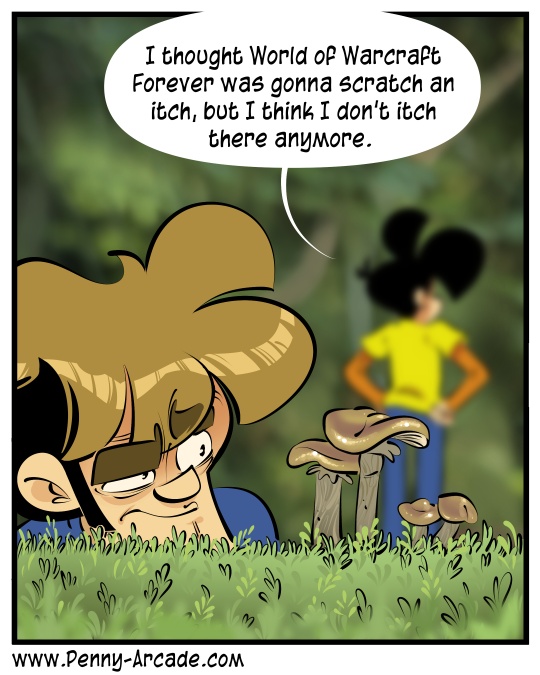
This shift in engagement is reflected across the industry, where titles often struggle to balance the ‘Return’ fantasy with the modern requirement for hyper-engagement. It is a fundamental conflict between the nostalgic desire for legacy mechanics and the reality of a busy, distraction-heavy life. Gaming culture updates consistently highlight how these classic titles are being treated more like historical relics than living, breathing ecosystems.
You must understand that for these players, the game was never just about the questing. It was about the social capital gained through elite rankings and the shared experience of overcoming massive digital obstacles. When that social layer is stripped away or replaced by aggressive freemium monetization, the perceived value of the journey evaporates immediately.
The Psychology of the Grind
At the heart of the issue is the diminishing return of the classic ‘grind’ mechanic. Experts point out that the human brain becomes conditioned to specific reward frequencies; when those frequencies are disrupted by modern quality-of-life changes or, conversely, overly tedious resource management, the result is burnout. This is why you see long-time players drop off before they even complete their first modern quest.
Industry Data and Gaming Metrics
| Metric | Status | Impact |
|---|---|---|
| Player Retention | Declining | High |
| Nostalgia Engagement | High Initial/Low Long-term | Medium |
| Freemium Conversion | Stable | Low |
As Forbes’ analysis of gaming industry trends suggests, the financial model of subscription-based games versus microtransaction-based models is undergoing a massive transformation. You are seeing a world where retention metrics are prioritized over the quality of the individual player experience. This friction directly influences why veterans are moving on from titles they once considered irreplaceable.
The Evolution of Azeroth Veterans
Looking at the broader history of the franchise, one can see how the player base has evolved from a tight-knit community of hardcore enthusiasts into a fragmented group of casuals. There was a time when the rank-up process was a badge of honor, providing clear status symbols that validated the time spent in the trenches. Today, that connection to the game’s prestige has been largely diluted by easier progression paths and changing reward structures.
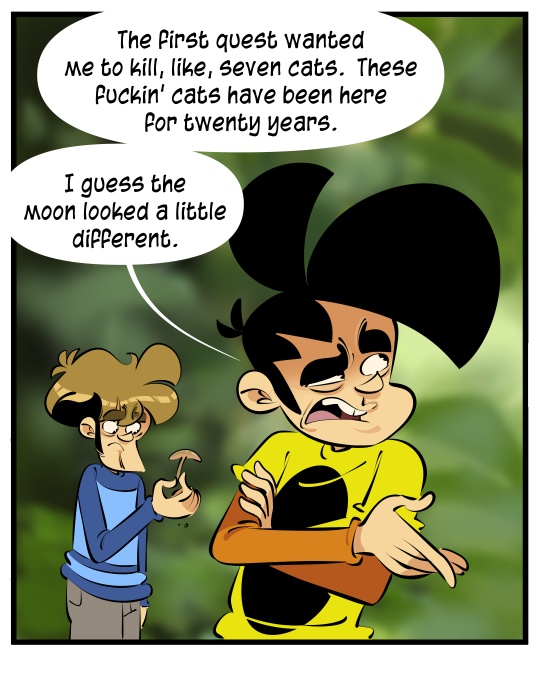
Many veteran players discuss their experiences on platforms like leading celebrity and gaming culture news hubs to reconcile their loss of interest. The consensus often leans toward the idea that we have simply changed. We have become ‘mined out,’ as some analysts suggest, meaning the specific emotional response to the game’s mechanics has been exhausted through years of over-exposure.
You can find similar stories across the Wikipedia entry for World of Warcraft history, noting how expansions drastically changed the way the world was perceived by its inhabitants. It is not that the game is objectively worse, but that our expectations for how we spend our limited free time have become infinitely more demanding and unforgiving.
People Also Ask
What happened with the World of Warcraft Never sentiment recently?
It reflects a growing trend among veteran players who find that they can no longer engage with the game as they once did, often due to a combination of personal burnout and changes in the game’s progression style.
Why is the WoW grind trending right now?
The topic is gaining traction because it highlights the fundamental struggle between the nostalgia of 2000s-era MMOs and the harsh realities of modern, dopamine-depleted gaming habits.
How does this affect current Blizzard monetization?
The shift suggests that while new players might be captured by freemium models, the core veteran base is increasingly unwilling to invest the same amount of time in ‘going home again’ scenarios.
When did the shift in player engagement begin?
While not a single date, industry analysts note that the decline in long-term veteran commitment accelerated as the game moved toward more streamlined, high-turnover reward loops in the mid-2020s.
Reflecting on the Gaming Future
Ultimately, the discussion around World of Warcraft Never serves as a mirror for the entire gaming industry. As we move forward, developers must ask whether the pursuit of retention metrics at the cost of genuine player connection is a sustainable path. You should consider whether the future of gaming lies in the constant cycle of revisiting the past or in creating entirely new experiences that respect our current, limited capacities for digital obsession. For further updates on these shifts, you can check out our expert insights on digital culture.
More Like This
For more updates, check out our latest entertainment and sports news.