Fantasy Updates are flooding the wires as we approach the 2026 NFL season, forcing you to reconsider your draft room strategies immediately. Whether you are a casual fan or a high-stakes dynasty leaguer, the health status of stars like George Kittle will define your winning potential this year. The PUP list serves as a tactical shield for teams, but for fantasy managers, it represents a high-stakes gamble that could either salvage your roster or derail your championship dreams before September even begins.
As of late August, the landscape is shifting rapidly with players returning from injury at varying speeds. Making sense of these roster movements requires more than just reading a depth chart; you need to understand the physiological reality of these injuries. If you are drafting today, your success depends entirely on navigating these medical minefields with surgical precision and foresight.
Understanding Fantasy Updates and NFL Roster Strategy
The PUP list, or Physically Unable to Perform, is often misunderstood by casual observers as a season-ending designation. In reality, teams use this as a strategic buffer to ensure players like George Kittle avoid setbacks during grueling camp sessions. When a team clears a player from this list, it signals that the medical staff is confident in their internal recovery metrics. However, you must differentiate between ‘cleared for practice’ and ‘cleared for high-impact professional output.’
The recovery from a torn Achilles, which Kittle experienced, is historically one of the most difficult hurdles in professional sports. Seeing the San Francisco 49ers star back on the field is a testament to modern sports medicine and his own work ethic. Yet, you should view his return through a lens of extreme caution for Week 1. The logistical nightmare of a 14-hour flight to Australia for the season opener places a significant strain on any recovering athlete’s soft tissue.
Drafting Kittle requires a backup plan that offers stability while he manages potential snap counts. Coaches often utilize rotation to protect their highest-value assets in early-season games. If you invest early-round capital in a player with recent injury history, you are essentially committing to a deeper roster build. Never rely on a single starter when the medical data suggests a high probability of restricted usage.
The role of the PUP list also extends to depth players, and tracking these movements is vital for finding value late in your draft. While stars grab the headlines, rotational players often determine who wins the league’s consolation bracket or the championship. Keep a close eye on the official NFL injury reports as the preseason concludes. Information remains the most valuable currency in the modern fantasy landscape.
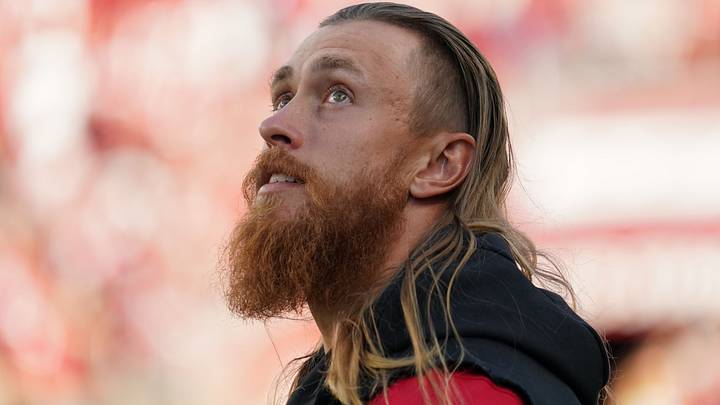
You must also recognize that teams prioritize the long-term health of their franchise cornerstones over your fantasy lineup. When a team is as cautious as the Seahawks with Zach Charbonnet, take that as a massive red flag. Management knows exactly how much strain a player can take, and if they have invested in depth like Jadarian Price, the writing is on the wall. Always follow the money and the draft capital when analyzing these roster situations.
Key Takeaways for Roster Management
- Identify players who are cleared for practice but carry high re-injury risks.
- Prioritize handcuff running backs when the primary starter is struggling with soft tissue recovery.
- Monitor travel fatigue for international games, as long-haul flights impact muscle recovery.
- Understand that early season snap counts are rarely communicated honestly to the public.
- Adjust your WR4/WR5 projections based on the depth of the team’s receiving corps.
Comparative Data and Health Projections
The following table outlines the current risk-reward profile for players dealing with significant injury designations heading into the 2026 season. These data points reflect medical consensus and historical recovery trends for the specific injuries mentioned in the team reports.
| Player | Injury | Projected Risk | Draft Outlook |
|---|---|---|---|
| George Kittle | Achilles Tear | Moderate | Bench Week 1 |
| Alec Pierce | Ankle Surgery | High | Draft as WR4 |
| Zach Charbonnet | Soft Tissue | Extreme | Avoid Early |
| Luther Burden | Minor Strain | Low | Start with Confidence |
As illustrated above, Alec Pierce presents a particularly difficult case. His muscle atrophy issues are not just recovery hurdles; they are fundamental limitations to his game-breaking speed. While the Indianapolis Colts remain optimistic, the history of such injuries suggests he will not return to his top-tier production level this season. When you draft, look for players with clean bills of health rather than gambling on veterans who are struggling to regain their explosion.
For those looking for more expert analysis on player lifestyles and career management, check out additional updates here. Maintaining a diverse portfolio of talent is the hallmark of a successful fantasy manager. Never fall in love with a name on your draft sheet when the statistics and injury data tell a completely different story. The objective is to maximize points over a 17-week grind, not just for a single opening game.
Remember that the NFL season is a marathon. Early-season overreactions often lead to trades that you will regret by mid-October. Use these Fantasy Updates to build a solid floor for your team, allowing the high-upside gambles to develop later once their health status stabilizes. If you can navigate the early season without a catastrophic drop in production, you will be in prime position for a playoff run.

Final Thoughts on Draft Success
Successfully navigating your 2026 draft requires a synthesis of medical intelligence and strategic patience. The PUP list is not a death sentence, but for players like Kittle or Pierce, it necessitates a recalibration of your expectations. Do not let your emotional attachment to superstar players cloud your judgment when the data highlights clear risks. Instead, embrace the volatility, secure your backups, and keep your focus on the waiver wire where the real championships are won.
The path to victory is paved with data-driven decisions rather than hopeful thinking. By applying the insights from these latest Fantasy Updates, you position yourself to out-maneuver opponents who ignore the subtle warning signs provided by team medical staffs. Stay vigilant, track the snaps, and continue refining your strategy as the season unfolds. You have all the tools necessary to dominate your league this year.
More Like This
For more updates, check out our latest entertainment and sports news.