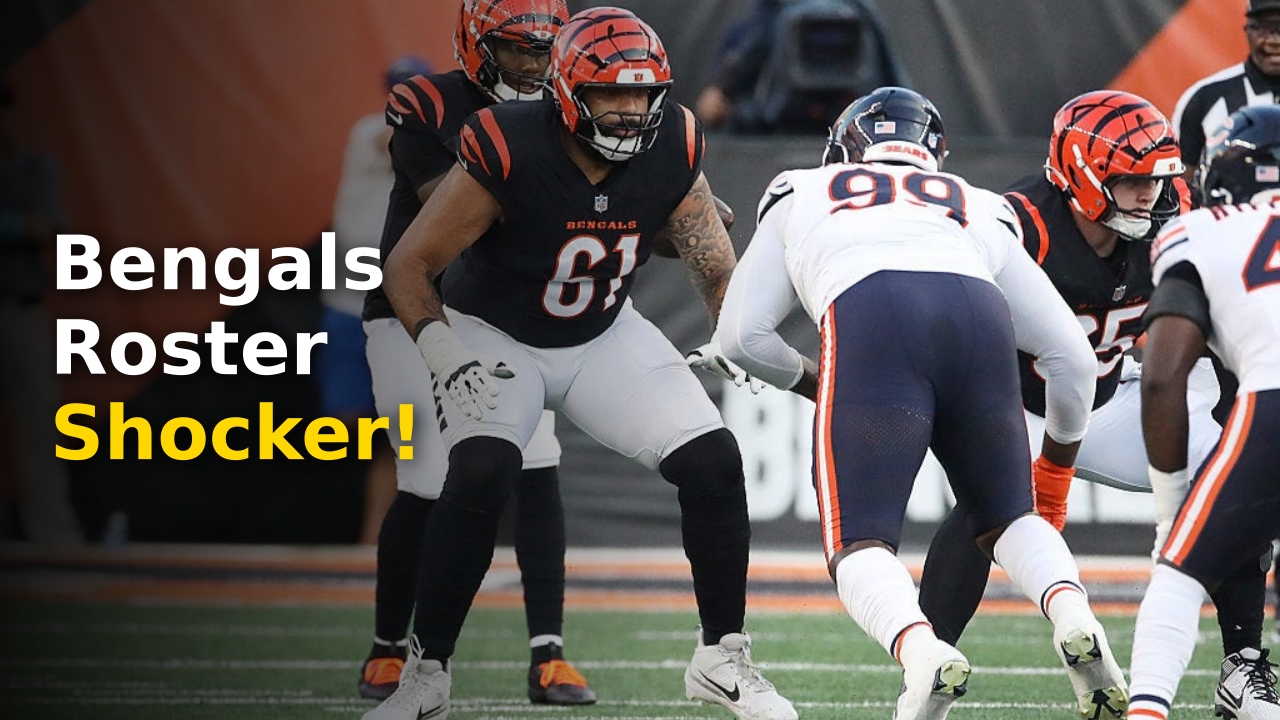
Cody Ford is officially out as the Cincinnati Bengals decide to reshape their offensive line depth in a move that signals a new strategic direction for the organization. If you have been following the team’s quest to protect star quarterback Joe Burrow, this sudden roster shift serves as a stark reminder of the ruthless nature of professional football.
The veteran lineman, who served as a versatile piece for the team since joining ahead of the 2023 season, has been released to give him a head start on finding a new destination. This decision arrives after a summer of on-field experimentation, leading head coach Zac Taylor to prioritize younger talent in the trenches.
Understanding the Cody Ford Departure
The departure of Cody Ford is not merely a personnel change; it is a calculated risk taken by a front office aiming for elite-level stability. Over the past three seasons, the offensive line in Queen City has been a frequent topic of debate, with fans and analysts alike calling for better pass protection. The team recently moved the veteran between tackle and guard, a clear indication that they were searching for the perfect fit but ultimately found the consistency lacking.
Head coach Zac Taylor spoke glowingly about the player’s versatility and professional attitude during a media session this past Monday. Despite the positive words, the reality of the NFL business often forces teams to choose potential over past production. The goal remains simple: find the most reliable protectors for the franchise’s cornerstone, Joe Burrow.
When a team releases a player of this caliber, it often stems from internal performance metrics failing to meet specific coaching standards. While the player has suited up for 50 of 51 potential games in recent memory, the coaching staff clearly felt the need to evolve. This shift opens up significant snaps for younger, hungry players looking to prove their worth on the big stage.
If you look at the broader landscape of the AFC North, you realize how thin the margin for error actually is. Divisional rivals play a physical style of football, making every position along the offensive line critical to survival. The Bengals appear to be betting that new faces will offer higher ceilings than the current veteran reserves.
For fans curious about the team’s ongoing evolution and behind-the-scenes dynamics, you can find more in-depth coverage on the internal culture of major sports franchises at Bright Celebrity. The decision-making process at this level is intense, fast-paced, and rarely leaves room for sentimentality when the championship window is open.

The Impact of Roster Flexibility
- The release allows the player to seek new employment immediately before the veteran deadline.
- Younger prospects like Javon Foster and Andrew Coker now have a direct path to the 53-man roster.
- The coaching staff is actively scouting outside options to secure the swing tackle position.
- Versatility is highly valued, but consistency remains the ultimate currency in the NFL.
Comparative Performance and Player Statistics
Analyzing the performance of offensive linemen requires looking beyond the basic box score. When looking at data provided by Pro Football Focus, we can see the difficulty of maintaining high grades in an offensive system that demands rapid execution. Cody Ford, while serviceable, faced steep competition as the team searched for a definitive anchor at the guard and tackle spots.
The following table illustrates the grading landscape of the Cincinnati Bengals line during the previous campaign. This context explains why the front office felt the urge to pivot toward younger, potentially higher-ceiling assets.
| Lineman | Role | PFF Grade |
|---|---|---|
| Dylan Fairchild | Guard | 59.1 |
| Cody Ford | Multi-position | 55.8 |
It is worth noting that grades don’t tell the entire story, but they do offer a glimpse into why coaching staffs rotate personnel. The move effectively clears the path for players like Christian Jones and Brian Parker II to command more repetitions. These players are now in the spotlight, tasked with proving they can handle the high-pressure environment of protecting a marquee signal-caller.
Consistency at the guard position has been a long-standing challenge in Cincinnati. By clearing the roster spot, the team indicates they are willing to take a gamble on untapped potential rather than relying on known, yet inconsistent, commodities. This aggressive approach is standard practice for championship contenders.
As we monitor these developments, keep an eye on how the depth chart shifts during the final weeks of the preseason. The Cincinnati Bengals remain a team that values high-IQ players who can process defensive stunts in real-time. Losing a veteran like Cody Ford creates a void, but it also creates an opportunity for a breakout star to emerge from the shadows of the practice squad.
We have seen similar roster strategies employed by teams like the Buffalo Bills and Arizona Cardinals, where the veteran had previously spent time. These organizations understand that offensive line play is the heartbeat of any successful season. Success in 2026 and beyond depends on getting these depth pieces right.

The Future of Offensive Line Depth
Looking ahead, the focus shifts to how the remaining depth handles the increased scrutiny. The coaching staff is clearly looking for someone to grab the swing tackle role with authority. Without a clear incumbent, the upcoming practice sessions become a live audition for the remaining roster candidates.
The team is not ruling out the possibility of bringing in external help. In the modern NFL, the waiver wire is a constant churn of talent. Scouting departments are likely monitoring every team’s final cuts, ready to swoop in if a more talented player becomes available for the right price.
The departure of a veteran player often leads to a shift in team morale. While it is tough to see a teammate move on, the remaining players understand the pressure to perform. The competitive nature of the locker room is expected to rise as spots on the final 53-man roster become limited.
When examining the historical trends of Cincinnati Bengals roster management, it is clear they prefer players who fit their specific system requirements. Versatility is good, but specialization at the tackle or guard position is often preferred in critical game situations. The current front office is working tirelessly to build a fortress around their franchise investments.
Ultimately, this decision to cut ties is about the long-term vision. Zac Taylor has emphasized building a culture that demands excellence at every position. By moving on now, the team allows the veteran to land on his feet while they continue to refine their internal options.
Whether these changes result in an improved offensive line remains to be seen. However, you can bet that the team will continue to make bold moves until they find the ideal combination. The pursuit of greatness requires difficult choices and the courage to iterate on your own roster design.
Final Thoughts on Roster Stability
In the final analysis, the release of Cody Ford illustrates the high-stakes environment inherent to professional sports. The Bengals are not content with maintaining the status quo, especially when the goal is to compete for a championship. The team has made their intentions clear: they want younger, more effective pieces to protect their quarterback.
As you watch the remaining preseason games, pay close attention to the players rotating into the trenches. The evolution of this unit will dictate the team’s success in the coming months. Stay tuned to the latest updates as the franchise continues to solidify its roster for the upcoming challenges that await in the AFC North.
More Like This
For more updates, check out our latest entertainment and sports news.