⚡ Key Takeaways
- The SEC and Big Ten have passed historic rules banning drafted and rostered professional players from returning to play college sports.
- While the Big Ten restricted its ban to football, the SEC extended its ruling to cover basketball and all other sports.
- This sudden policy shift directly impacts LSU and head coach Lane Kiffin, who recently signed former NFL tryout players.
- The administrative crackdown directly addresses recent federal court injunctions that threatened to erase the line between college and pro leagues.
You might think the boundary between college athletics and professional sports is gone forever, but the latest eligibility ban proves that power conferences are fighting back. In a stunning administrative maneuver, the Southeastern Conference voted decisively to block professional athletes from returning to college rosters. This sudden institutional backlash aims to close a legal loophole that recently threatened to turn collegiate locker rooms into developmental leagues for former professionals.
The core issue stems from recent federal court injunctions that stripped away the NCAA‘s authority to enforce traditional amateurism rules. These judicial orders allowed athletes who signed professional contracts, but were subsequently released, to transition back into the collegiate system. By passing this self-governing conference rule, the power conferences are bypassing the weak federal court mandates to protect their competitive ecosystems. This structural reset has sent shockwaves through coaching staffs, athletic departments, and roster-building rooms across the entire United States sports landscape.
This aggressive reform comes directly after the Big Ten Conference announced its own regulatory changes earlier in the week. By establishing a unified front, the two richest conferences in college sports have sent a clear message to judges and athletes alike. The era of the temporary professional athlete-turned-college-student is officially coming to a dramatic end. As athletic directors scramble to interpret these new parameters, the immediate future of several high-profile transfers hangs in the balance.
Understanding the Eligibility Ban Rules
This sudden eligibility ban caught many athletic directors by surprise, but its execution was calculated, swift, and absolute. On Tuesday, the Southeastern Conference administrative board finalized a policy that permanently disqualifies any player who has been drafted by an NFL, NBA, or WNBA franchise. The rule also explicitly targets any player who has ever been listed on an active or preseason roster in those respective professional leagues. By targeting rosters and drafts, the conference has effectively drawn a thick, permanent red line between professional employment and collegiate opportunity.
Unlike other bureaucratic guidelines, this conference-specific rule operates independently of national NCAA bylaws. Since individual conferences hold the right to determine their own membership and competition standards, these rules are insulated from certain antitrust challenges. The Southeastern Conference designed this measure to prevent the potential “contamination” of collegiate rosters with veteran professionals who have spent months in elite, high-paying training camps. The policy change aims to preserve the spirit of amateur student-athletes, even in the modern era of Name, Image, and Likeness deals.
This structural change represents a massive shift from the standard practices of the past decade, where the transition from professional back to collegiate was occasionally permitted in non-draft sports. For example, former professional baseball minor-leaguers have frequently played college football. However, the modern eligibility ban directly targets the high-revenue sports of football and basketball. The goal is to ensure that professional washouts do not crowd out developing teenage athletes who are utilizing college sports as their primary developmental pathway.
The swift introduction of these regulations has created major complications for several active coaching staffs. Programs that had actively recruited recently released professional athletes find themselves in immediate compliance jeopardy. Administrators must now audit their entire rosters to ensure no incoming transfers violate the newly active conference restrictions. The margin for error is non-existent, and programs face severe forfeits and structural penalties if they fail to comply with the directive.
Why the SEC Took Action
The conference acted because the NCAA has lost its legal teeth. For decades, the national governing body enforced amateurism with an iron fist, but a wave of successful antitrust lawsuits has left the organization powerless. Conference leaders realized that if they did not establish their own local guidelines, college football and basketball would soon be flooded with former professionals looking for a second chance. This preemptive strike protects the unique marketing appeal of college sports, which relies heavily on the concept of student-athletes representing academic institutions.
Furthermore, the financial stakes have never been higher for the Southeastern Conference. With multi-billion-dollar television contracts on the line, maintaining the competitive integrity of the product is vital. Introducing 24-year-old former NFL players into a locker room of 18-year-old freshmen creates significant physical, legal, and cultural issues. Conference leaders decided that the risks of allowing professional veterans to return far outweighed any short-term talent upgrade on the field.
💡 By The Numbers: The Financial Landscape of Conference Realignment
In 2026, the financial divide between the top two conferences and the rest of college athletics reached unprecedented heights. The SEC and Big Ten combined to distribute over $1.5 billion in annual media rights revenue to their member institutions. This massive financial dominance means these conferences operate as semi-professional entities, giving them the leverage to write their own rules regardless of broader NCAA guidelines. Consequently, any eligibility ban they enforce instantly dictates national athletic policy.

The Legal Battles Fueling Chaos
To fully understand why this eligibility ban was enacted, one must look at the chaotic landscape of federal courtrooms. Over the last year, multiple federal judges have issued preliminary injunctions against various NCAA transfer restrictions. These rulings argued that limiting a student’s right to earn a living or transfer freely violated the Sherman Antitrust Act. These court decisions unintentionally created a legal pathway for players who had declared for professional drafts, signed contracts, and been released to simply return to college programs to cash in on lucrative NIL deals.
This dynamic created a wild environment where athletes could test the professional waters with zero personal risk. If a player was drafted or signed as an undrafted free agent, they could participate in professional training camps. If they were cut before the regular season began, they could simply call up a collegiate collective and request a roster spot. This loophole threatened to turn the college transfer portal into a safety net for professional washouts. It created an unsustainable environment for high school recruits, who were being pushed out of roster spots by older, physically mature athletes.
The conference-level eligibility ban serves as a clever legal shield against these federal injunctions. While the NCAA is a national entity subject to broad antitrust scrutiny, individual conferences operate under different legal standards. By passing these rules at the conference level, the SEC and Big Ten can argue that their policies are private association rules necessary to maintain the unique character of their specific athletic competitions. It remains to be seen if this legal defense will survive future court challenges, but for now, it stands as the law of the land.
The tension between traditional collegiate systems and evolving labor laws is reaching a critical breaking point. Lawyers representing student-athletes argue that any restriction on a player’s eligibility constitutes an illegal restraint of trade. Meanwhile, conference commissioners argue that without some basic boundaries, the entire concept of collegiate athletics will collapse. This philosophical clash will likely be decided in the Supreme Court, but the current regulations provide temporary stability for the upcoming season.
| Conference | Sports Covered | Draft Status Restriction | Roster Listing Restriction |
|---|---|---|---|
| SEC | Football, Basketball, WNBA, All Sports | Banned if drafted by NFL/NBA/WNBA | Banned if ever listed on pro roster |
| Big Ten | Football Only | Banned if drafted by NFL | Banned if ever listed on NFL roster |
Big Ten Versus SEC Policies
While the two most powerful conferences in the nation are aligned in their opposition to returning professionals, their specific policies contain critical differences. The Big Ten Conference acted first, but their rule was highly narrow, targeting only the sport of football. This surgical approach was designed to address immediate concerns regarding roster sizes and physical mismatches on the gridiron. However, this narrow focus left a glaring loophole for other highly commercialized collegiate sports, particularly men’s and women’s basketball.
Recognizing this omission, the Southeastern Conference chose a far more comprehensive path with its version of the eligibility ban. The SEC rule explicitly includes basketball players, addressing a growing trend of hoopers attempting to return to campus after brief stints in the professional ranks. This inclusion is massive because the NBA and WNBA draft processes are vastly different from the NFL. Basketball players routinely declare for the draft, sign brief summer league or training camp deals, and find themselves without a job by late autumn.
The SEC’s decision to include basketball players directly impacts how coaches in that sport must recruit moving forward. In the past, basketball coaches would encourage their fringe players to test the professional waters, secure in the knowledge that they might return if things did not work out. Now, that safety net has been completely removed. If an SEC basketball player gets drafted or even lands on a preseason roster, their college career is officially over. This change forces athletes to make much more calculated, high-stakes decisions about their professional futures.
The divergence in policies between these two conferences highlights the fragmented nature of modern collegiate governance. Without a centralized authority capable of enforcing uniform national rules, individual conferences are forced to build their own regulatory walls. This dynamic creates competitive imbalances and leaves athletes navigating a highly confusing map of rules depending on where they choose to sign. As the collegiate landscape continues to professionalize, further divisions between the conferences are almost guaranteed to occur.
The Basketball Roster Crisis
In basketball, the line between professional and amateur has been incredibly blurry for years. The rise of the NBA G-League, international professional opportunities, and specialized developmental leagues like Overtime Elite has created a complicated ecosystem. The SEC’s sweeping rule addresses this complexity head-on. By enacting a broad ban, the conference prevents roster volatility that could easily destroy team chemistry and program stability just weeks before the season starts.
This rule also protects the financial interests of existing collegiate athletes. NIL collectives have limited budgets, and a sudden influx of former professional basketball players returning to college would divert millions of dollars away from traditional student-athletes. By closing this door, the SEC ensures that NIL funds remain concentrated on standard collegiate recruits and transfers, preserving the economic equilibrium of the sport.
📋 Expert Take: Dr. Marcus Vance, Sports Governance Analyst
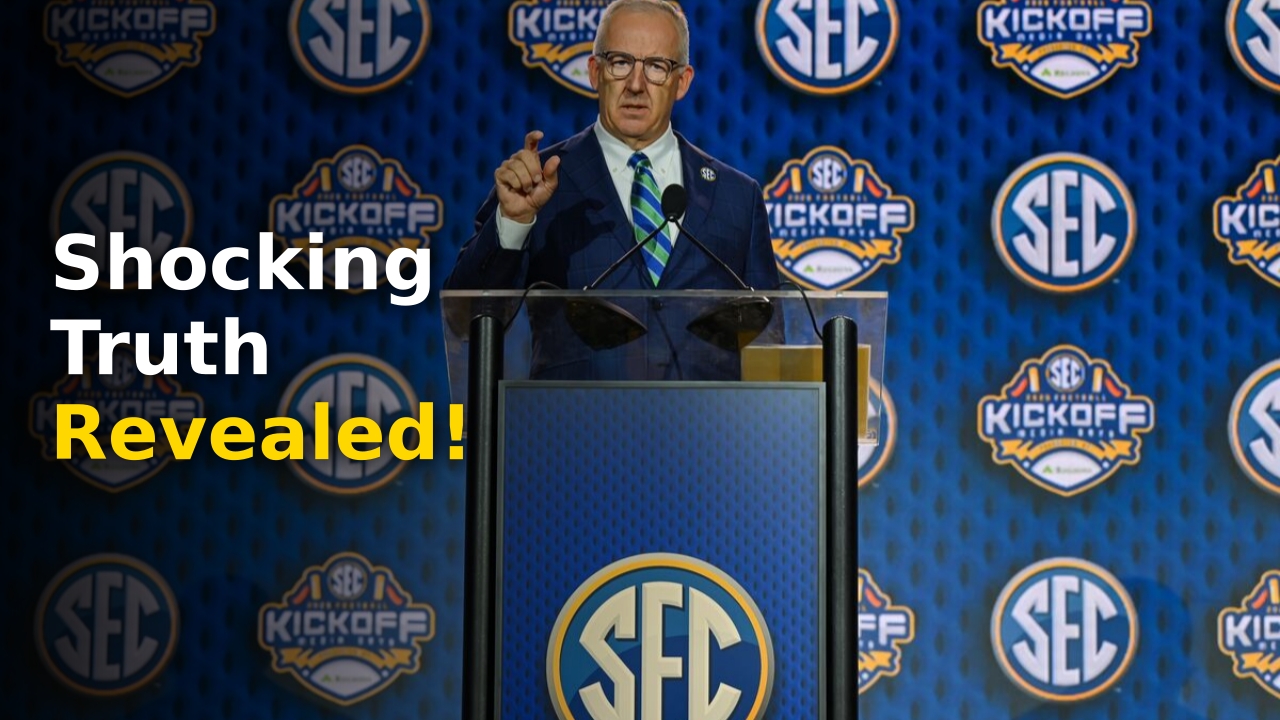
“The SEC’s decision to include basketball is a direct acknowledgment of the fluid nature of the modern basketball development cycle. By drawing a hard line, commissioner Greg Sankey is shielding his coaches from the chaotic roster fluctuations that plague the NBA fringe. This isn’t just about preserving amateurism; it is about programmatic defense in an era where rosters are rebuilt annually via the transfer portal.”

The Lane Kiffin LSU Dilemma
The immediate real-world fallout of this policy change has landed squarely on the shoulders of LSU and their high-profile head coach, Lane Kiffin. Known throughout college football as the self-proclaimed “Portal King,” the veteran coach has built his career on aggressive roster manipulation. This week, Kiffin made waves across the sports world by adding Dae’Quan Wright and Zxavian Harris to the Tigers’ roster. Both players are highly talented, undrafted prospects out of Mississippi who had spent the summer participating in NFL training camps.
Both Dae’Quan Wright and Zxavian Harris had been released by their respective professional franchises during the final rounds of training camp cuts. In previous years, these players would have been forced to wait for another professional tryout or transition to secondary leagues. However, using the recent court-ordered loopholes, they secured roster spots at LSU. This maneuver was seen as a massive coup for Kiffin, who managed to add two physically mature, professionally trained athletes to his depth chart right before the start of the season.
Unfortunately for the Tigers, the SEC’s newly passed eligibility ban puts the university on immediate notice. Under the strict terms of the new conference rule, both Wright and Harris are ineligible to play because they were listed on active professional preseason rosters this summer. This creates a massive compliance headache for LSU, which must now choose between contesting the rule legally or immediately removing the two key players from their active roster. It is a high-stakes game of chicken between one of the conference’s most powerful programs and the league office itself.
This situation highlights the immense pressure college coaches face to win immediately. To stay competitive, coaches are willing to test any legal boundary and exploit any loophole available to them. Kiffin’s roster additions were a calculated gamble that the conference would not act quickly enough to block the transactions. Now that the SEC has closed the loop, the focus shifts to how the university’s compliance department and legal team will respond to the sudden administrative block.
The Status of the Tiger Transfers
The physical presence of Wright and Harris on the practice field had originally given LSU a massive boost in physical preparation. Having athletes who have gone head-to-head with active NFL starters is an invaluable asset for a college team. However, the sudden ruling has turned those assets into potential liabilities. If the school plays them in a game, they risk having to forfeit their entire season’s results, a penalty that would destroy the program’s championship aspirations.
This situation also raises serious questions about the financial agreements made with these players. Many elite transfers sign lucrative NIL contracts with school-affiliated collectives upon their arrival. If the eligibility ban prevents them from playing, the status of those financial agreements becomes incredibly complicated. This legal and financial knot is precisely why the SEC wanted to prevent these situations from occurring in the first place.
Frequently Asked Questions
What is the college eligibility ban passed by the SEC and Big Ten?
The ban is a newly passed conference-level regulation that prevents any student-athlete who has been drafted by an NFL, NBA, or WNBA team, or listed on their active/preseason rosters, from returning to play college sports within those conferences.
How does the SEC rule differ from the Big Ten rule?
The Big Ten’s rule only applies to the sport of football, whereas the SEC has passed a much broader rule that includes football, basketball, and all other collegiate sports under their banner.
Who are Dae’Quan Wright and Zxavian Harris?
They are two undrafted college football players out of Mississippi who participated in NFL training camps during the summer before being released and subsequently added to the LSU football roster by coach Lane Kiffin.
Can these players sue the SEC under antitrust laws?
Yes, it is highly likely that affected players will file antitrust lawsuits against the conferences, arguing that these rules represent an illegal restriction on their ability to earn a living and pursue education simultaneously.
Adapting to the Eligibility Ban
The college sports landscape is evolving at a breakneck pace, and this latest regulatory showdown is just the beginning. The modern student-athlete is increasingly viewed as an employee, and as public interest in the financial lives of professional celebrities grows, the intersection of sports and entertainment will only deepen. To understand the broader cultural shifts affecting today’s cultural figures, you can explore detailed profiles on BrightCelebrity, which covers the transition of elite personalities across various entertainment and athletic landscapes.
Ultimately, the eligibility ban establishes a clear boundary between collegiate competition and professional sports. By enacting these strict policies, the SEC and Big Ten are attempting to protect the integrity of their games while navigating a hostile legal climate. While this policy change successfully shields these conferences from immediate roster chaos, the long-term viability of these rules will inevitably be tested in federal court. For now, the wall between the pros and the colleges remains firmly in place.
As the college sports world prepares for the upcoming season, the focus will remain on how coaches like Lane Kiffin adapt to these rigid structures. Roster construction has become a year-round administrative battle that requires as much legal expertise as it does football knowledge. The programs that can navigate these complex regulatory environments with the highest efficiency will continue to dominate the national landscape. Those that fail to adapt will quickly find themselves left behind in this highly competitive, multi-billion-dollar industry.
In the end, the implementation of this historic eligibility ban proves that college sports conferences will stop at nothing to protect their turf. Even as the traditional amateur model crumbles around them, the power brokers of college athletics have proven they still possess the power to shape the rules of the game. Whether this rule stands as a permanent fixture or falls to the next wave of legal challenges, it represents a defining moment in the modern era of collegiate sports.
More Like This
For more updates, check out our latest entertainment and sports news.