Key Takeaways
| Presidential Commutation: Joe Biden commuted Leonard Peltier’s life sentence to house arrest with just 14 minutes remaining in his presidential term. |
| Streaming Premiere: The high-profile documentary Free Leonard Peltier debuts worldwide on Netflix on October 12 to mark Indigenous Peoples’ Day. |
| Historical Exposure: Directed by David France and Jesse Short Bull, the film unearths critical archival evidence surrounding the 1975 Pine Ridge reservation shootout and subsequent mineral rights transfers. |
| Legal Misconduct: Key forensic ballistics and coerced testimonies that secured Peltier’s 1977 conviction are systematically deconstructed. |
If you thought the legal battle surrounding America’s most contested federal prosecution was closed history, the explosive Leonard Peltier Netflix documentary proves that the quest for true exoneration has only just begun. Activist Leonard Peltier spent nearly five decades behind federal bars before walking out of a Florida penitentiary under an eleventh-hour clemency order. You can now trace the raw, unvarnished journey of his incarceration through ground-level archival footage that challenges everything the federal government argued in court.
For nearly half a century, the Indigenous rights champion served consecutive life sentences for the fatal shooting of two FBI agents on the Pine Ridge Indian Reservation in South Dakota. Directed by Oscar nominee David France and Lakota filmmaker Jesse Short Bull, the production delivers an unflinching look into judicial coercion, suppressed ballistics, and systemic tribal suppression. While the commutation marked a milestone, Peltier remains vocal that serving life under home confinement on the Turtle Mountain Band of Chippewa reservation is far from absolute freedom.
Audiences following the streaming premiere are discovering how historical federal policy directly intersected with raw economic interests. You will see how this landmark release exposes the high-stakes confrontation that defined Native American resistance across multiple generations.
Inside the Leonard Peltier Netflix Documentary Premiere
The cinematic journey of Free Leonard Peltier represents one of the most remarkable narrative shifts in recent investigative documentary filmmaking. Directors France and Short Bull spent years chronicling the grassroots legal battles, originally aiming to premier an unresolved tragedy at the prestigious Sundance Film Festival. Cameras were rolling outside Peltier’s Florida prison on January 20, 2025, anticipating another devastating administrative rejection as executive power changed hands.
Instead, with mere minutes left in the executive administration, federal officials processed an official clemency order granting immediate home release. The film captures the raw emotional explosion of Peltier’s legal team, AIM elders, and frontline advocates who wept openly as decades of continuous organizing culminated in physical departure from high-security walls. Explore comprehensive historical profiles and legal updates across our entertainment analysis hub to understand the cultural momentum driving this global release.
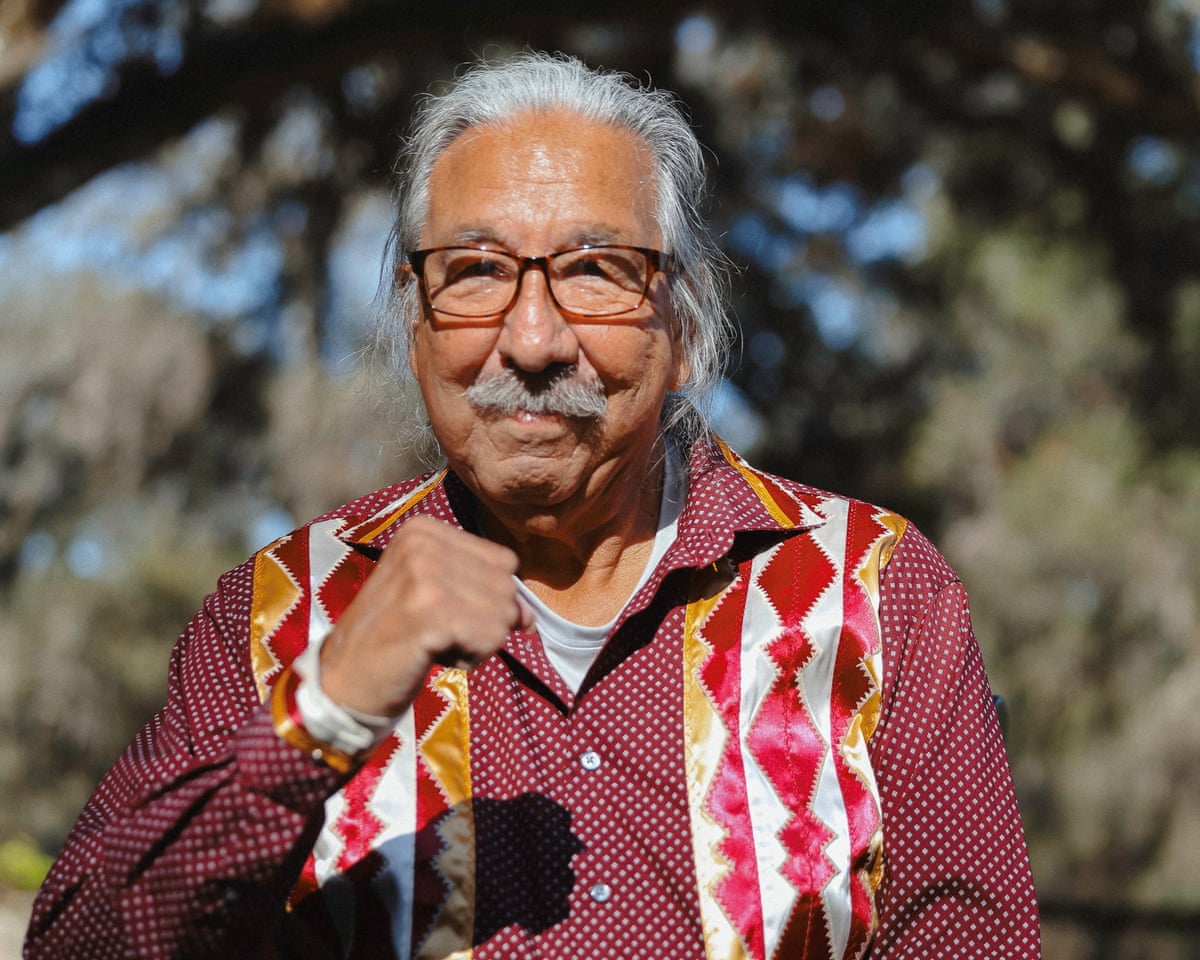
Yet the film refuses to settle for simple celebration. Through meticulous scene curation, the directors reframe Peltier’s narrative from an isolated true-crime controversy into a deliberate political standoff. Peltier himself appears via intimate contemporary interviews, speaking with sharp moral clarity about treaty obligations, ongoing resource exploitation, and the heavy toll of institutional confinement.
Tribal Sovereignty and Broken Treaties
The opening movements of the film ground Peltier’s activism within the systematic trauma inflicted by government-run Native American boarding schools. These state institutions forcibly removed Indigenous children from their families to erase cultural identity, language, and ancestral heritage. Peltier’s formative years resisting these institutional assaults directly forged his lifelong commitment to the American Indian Movement (AIM).
During the late 1960s and early 1970s, AIM launched high-profile direct actions across the country to demand sovereign treaty recognition. The documentary highlights several pivotal mobilizations that altered modern civil rights history:
- The Trail of Broken Treaties (1972): A cross-country caravan that mobilized thousands of Indigenous activists directly to Washington, D.C.
- Occupation of the Bureau of Indian Affairs: Activists seized federal headquarters after discovering classified documents outlining tribal mineral extraction.
- Defense of Traditional Oglala Lakota Elders: Grassroots AIM leaders were invited to Pine Ridge to protect traditional residents from escalating violence.
As the film meticulously illustrates, Peltier was never a detached observer. He operated as a dedicated field organizer who placed his physical safety between heavily armed enforcement personnel and vulnerable community elders.
Timeline of the Pine Ridge Shootout and Legal Battle
To fully grasp the scope of the state’s case against Peltier, viewers must evaluate the physical evidence and jurisdictional actions that defined his decades-long imprisonment. The historical record reveals numerous procedural discrepancies that emerged from the fatal 1975 exchange of gunfire at the Jumping Bull compound.
| Calendar Year | Historical Legal Milestone | Key Evidentiary Impact |
|---|---|---|
| 1975 | Shootout on Pine Ridge Reservation | Two FBI agents and AIM member Joe Stuntz killed; tribal uranium tract transferred. |
| 1976 | Cedar Rapids Co-Defendant Trial | Co-defendants Dino Butler and Bob Robideau acquitted on self-defense grounds. |
| 1977 | Fargo Conviction of Leonard Peltier | Sentenced to two consecutive life terms following separate, restricted courtroom trial. |
| 1984 | Appellate Ballistics Hearing | Declassified FBI teletype proves rifle firing pin did not match fatal crime scene shell casing. |
| 2025 | Presidential Executive Commutation | Consecutive life sentences commuted to home detention after 49 years in maximum security. |
This comparative timeline underscores how radically Peltier’s individual prosecution diverged from the legal outcomes of his peers. Detailed trial reviews and investigative overviews are documented extensively via Wikipedia’s archive of the Leonard Peltier case, which contextualizes five decades of international appeals.
The Pine Ridge Uranium Rush and Coerced Evidence
One of the central historical revelations championed by France and Short Bull centers on the economic motives underpinning federal intervention in South Dakota during the 1970s. Pine Ridge sat atop immense deposits of high-grade uranium, resources desperately sought by energy corporations and federal defense contractors during the height of the Cold War. On the exact afternoon the deadly firefight occurred, corrupt tribal chairman Dick Wilson secretly ceded one-eighth of reservation land back to federal administrative control.
The documentary reveals that federal law enforcement maintained an intimidating military footprint to suppress tribal resistance against corporate strip mining. Wilson employed a private, federally funded militia known colloquially as the GOON squad (Guardians of the Oglala Nation). During this era, more than 60 unsolved assassinations of traditional Lakota families took place on the reservation without a single federal indictment.
When federal agents entered the Jumping Bull ranch in unmarked vehicles without warrants, traditional families believed they were facing another violent raid by armed vigilantes. The ensuing gun battle claimed the lives of special agents Jack Coler and Ronald Williams, along with young Indigenous activist Joe Stuntz. Federal authorities never launched an investigation or pressed charges for the shooting death of Stuntz.

The Discredited Extradition and Ballistics Cover-Up
Following the deadly confrontation, Peltier fled north toward Canada, aided briefly by sympathetic Hollywood figures including Marlon Brando, who provided a recreational vehicle for transport. To secure Peltier’s international extradition from Canadian authorities, federal prosecutors submitted signed affidavits from a woman named Myrtle Poor Bear. She claimed to be Peltier’s romantic partner and an eyewitness to the shootings.
Poor Bear subsequently recanted every statement on the public record, testifying that FBI agents held her in isolation and threatened her children unless she signed fabricated statements. Despite the Canadian government later acknowledging the extradition was secured through fraudulent documents, US federal courts refused to dismiss the indictment.
Even more damning was the physical evidence withheld from Peltier’s defense counsel during the 1977 trial in Fargo, North Dakota. Years later, Freedom of Information Act requests forced the release of internal FBI laboratory teletypes confirming that the AR-15 rifle attributed to Peltier possessed a completely different firing pin from the shell casing discovered in the trunk of the agents’ car. You can review complementary human rights commentary through Amnesty International’s official clemency appeals, which have long condemned the integrity of this verdict.
Peltier Speaks on Modern Indigenous Resistance
Speaking directly from his ancestral homeland in North Dakota where he remains under stringent house arrest, Peltier retains the fiery resolve that made him an international symbol of resistance. Over an extended video conversation featured in the documentary, the elder activist dismissed the idea that his release represents true administrative justice. He rejected multiple historic parole offers that required him to admit guilt for murders he maintains he never carried out.
Peltier draws direct parallels between the land grabs of 1975 and contemporary infringements on sovereign tribal territory across the American continent. He points directly to recent border wall construction slicing through sacred sacred sites of the Tohono O’odham Nation without free, prior, and informed consent. For Peltier, state actions against native identity follow a relentless, century-long pattern designed to dissolve ancestral sovereignty.
For younger generations discovering this battle through mainstream platforms, Peltier stands alongside global historical freedom fighters like Nelson Mandela. As co-director Jesse Short Bull stresses, current Indigenous resistance—from Standing Rock to Oak Flat—stands firmly on the shoulders of the sacrifices Peltier’s generation endured. Visit our dedicated celebrity biography features to read more about cultural icons using cinema to illuminate historic civil rights struggles.
People Also Ask
What happened with Leonard Peltier today?
Leonard Peltier is currently living under federal house arrest on the Turtle Mountain Chippewa reservation following an executive sentence commutation issued during the final minutes of Joe Biden’s presidency.
Why is the Leonard Peltier Netflix documentary trending right now?
The documentary Free Leonard Peltier is trending due to its streaming premiere for Indigenous Peoples’ Day, showcasing unseen footage of his release alongside evidence of historical trial misconduct.
Did Joe Biden grant Leonard Peltier a full pardon?
No, President Biden granted an executive commutation rather than a full pardon, which allowed Peltier to serve the remainder of his life sentence outside federal prison walls under home confinement.
When is Free Leonard Peltier released on Netflix?
The feature-length documentary officially premieres worldwide on Netflix on October 12, aligning with national Indigenous Peoples’ Day observances across the United States.
The Ongoing Fight for Full Exoneration
The definitive release of the Leonard Peltier Netflix project guarantees that the international campaign surrounding his life will not fade into obscurity. At 80 years old and coping with serious chronic health ailments, Peltier remains legally restrained from traveling to address the international audiences that championed his cause for half a century. His legal team continues to push for a complete executive pardon that would dissolve all remaining travel restrictions.
As France and Short Bull demonstrate throughout their piercing examination, Peltier’s endurance serves as a permanent mirror held up to the American judicial apparatus. You can witness how one man’s refusal to concede guilt under extraordinary state pressure transformed a regional land dispute into a global civil rights movement. Through continuous advocacy and cultural storytelling, the enduring battle over Pine Ridge proves that real justice is never granted quietly—it is relentlessly demanded.
More Like This
For more updates, check out our latest entertainment and sports news.