Key Takeaways
| Doha Debates is hosting a critical public forum in Toronto regarding the commercialization of global football. |
| The event challenges the narrative of whether football clubs serve their loyal community or operate as mere commodities. |
| Corporate capital influence is forcing a shift in how fans interact with the sport they love. |
| Qatar Foundation initiatives continue to push for transparency in sports governance and fan ownership rights. |
Doha Debates Toronto is set to become the epicenter of a global conversation regarding how football culture is being reshaped by massive infusions of private capital. You might wonder if your loyalty to a club is being sold to the highest bidder, and this event aims to provide those uncomfortable answers. As international investment continues to pour into European and North American leagues, the soul of the sport—represented by the fan base—finds itself at a dangerous crossroads.
The initiative, spearheaded by the Qatar Foundation, gathers experts and stakeholders to dismantle the facade of modern sports management. The central question remains: Does the club belong to the community that built its legacy, or is it destined to become another asset in a billionaire’s diverse portfolio? This debate is not merely academic; it is a fight for the identity of the most-watched sport on the planet.
Doha Debates Toronto: Exploring Football and Money
The landscape of modern sport has shifted drastically over the last decade. Private equity firms and sovereign wealth funds have moved beyond simple sponsorship deals, now controlling the very infrastructure of clubs. Fans are no longer just customers; they are being treated as data points in an algorithm designed to maximize engagement and monetization.
During the upcoming event, participants will investigate how financial speculation influences player recruitment and ticket pricing. The narrative of the humble supporter is often used for marketing, yet these same supporters are frequently priced out of their own stadiums. It is a paradox that the Forbes sports money analysis suggests is only accelerating as valuation multiples continue to climb.
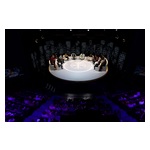
Many believe the disconnect between club boards and local fan bases is the greatest threat to the sport’s longevity. When the emotional connection—the lifeblood of any club—is severed for the sake of quarterly earnings, the integrity of the game is compromised. This gathering aims to highlight alternatives, such as the 50+1 rule or community trust models, which have seen success in leagues like the German Bundesliga.
The Erosion of Fan Influence
Historically, clubs were local institutions rooted in neighborhood identity. Today, they are global brands competing for eyeballs in markets as far-flung as Toronto and Tokyo. This expansion has watered down the connection between the team and the city they claim to represent.
- Ticket affordability and the exclusion of working-class supporters.
- The rise of international ownership and disconnected boardroom decisions.
- Digital transformation as a tool for revenue extraction rather than engagement.
- The potential for fan-led governance to reclaim institutional power.
By The Numbers: The Financialization of Sports
To understand the stakes of the Doha Debates Toronto discussion, one must look at the capital flowing into the industry. The following table highlights the exponential growth in valuation for top-tier clubs, a factor that significantly complicates the relationship between ownership and the average stadium-goer.
| Metric | 2010 Estimates | 2026 Forecasts |
|---|---|---|
| Avg. Premier League Value | $450M | $3.2B |
| Global Sponsorship Revenue | $8B | $45B |
| Broadcasting Rights Fees | $12B | $68B |
Contextualizing Modern Club Ownership
The history of football ownership has transitioned from wealthy local patrons to international conglomerates. This shift has not been without controversy. Experts at ESPN football coverage have frequently noted that when private equity enters the scene, the pressure for immediate ROI often overrides long-term cultural stability. The Doha Debates platform serves as a critical mirror for this evolution.
An expert take on this subject highlights that stadiums are increasingly becoming premium venues designed for high-net-worth individuals rather than the traditional match-going supporters. This trend, often referred to as ‘stadium gentrification,’ is a focal point for those fighting to keep football’s roots intact. Without organized dissent or a platform for public dialogue, the commodification of the sport appears inevitable.
You can find more analysis on how these changes affect local communities through resources at Bright Celebrity industry reports. The debate in Toronto represents a necessary step in quantifying what the game is worth to those who cannot be bought—the fans themselves. By placing these issues in the public eye, advocates hope to force a conversation that club boards have traditionally ignored or deflected.
People Also Ask
What is the purpose of the Doha Debates event in Toronto?
The event serves as a platform to discuss the tension between football’s commercial growth and the traditional rights and roles of its supporters. It examines if clubs are becoming disconnected from their communities due to global financial influence.
Why is the Qatar Foundation involved in football debates?
The Qatar Foundation seeks to foster global dialogue on complex social and institutional issues. By sponsoring these debates, they facilitate critical conversations about how sports governance impacts society on a global scale.
How is football changing due to global capital?
Global capital is driving massive increases in club valuations, which often leads to higher ticket costs and a prioritization of international brand expansion over local fan engagement. This shift frequently alienates long-term supporters.
Where can I learn more about sports economics?
You can find extensive research on sports finance and governance through outlets like Forbes or by following updates on Bright Celebrity industry analysis platforms.
The Future of Global Fan Culture
As we look forward, the dialogue initiated by Doha Debates Toronto will likely set the tone for future sports policy. The push-and-pull between profitability and legacy is a defining characteristic of our era. If the community is to retain its influence, supporters must engage with these complex economic realities.
Ultimately, the survival of football as a cultural force depends on acknowledging that supporters are the only asset that cannot be manufactured or purchased. By hosting this public debate, stakeholders are finally putting the real value of the game back under the microscope. We will continue to track these developments as they unfold on the international stage, ensuring that you remain informed about the future of the sport you love.
More Like This
For more updates, check out our latest entertainment and sports news.