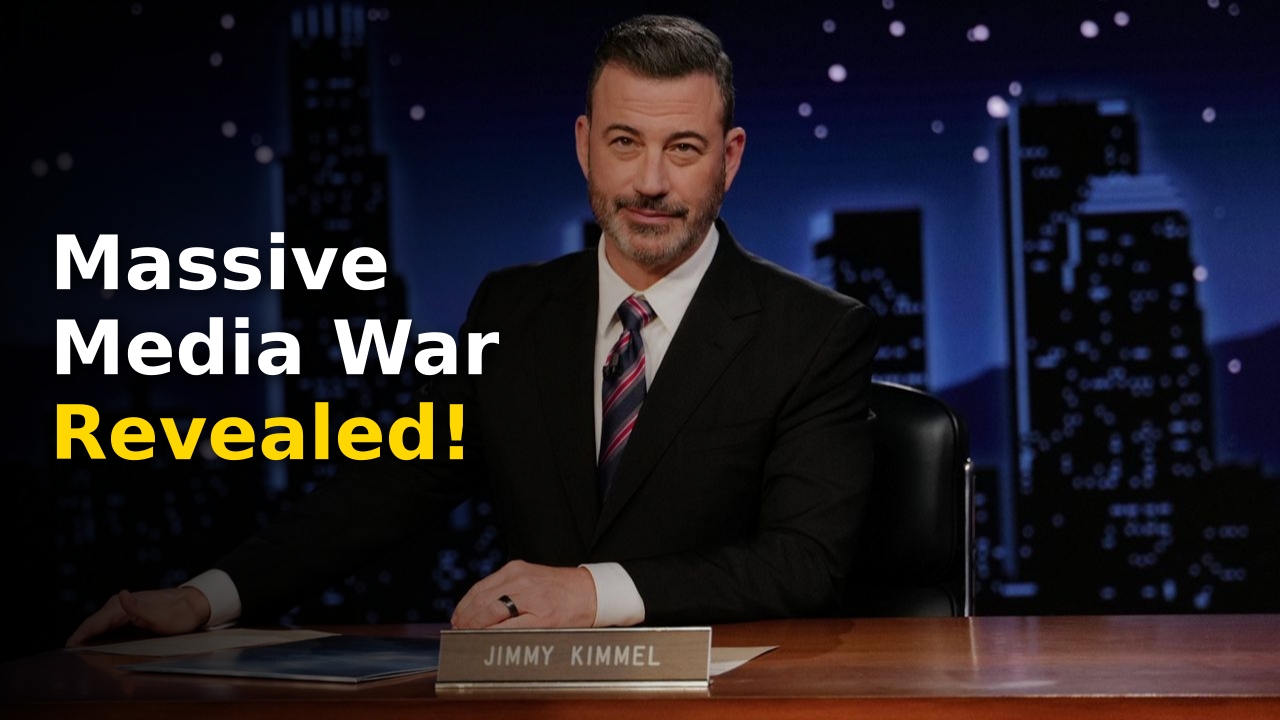
Disney lawsuit filings have officially ignited a legal firestorm, pitting the entertainment giant against the Federal Communications Commission in a fight that feels like the ultimate showdown for the future of American broadcast freedom. You are witnessing a high-stakes collision between government power and corporate media that could fundamentally alter the television landscape you enjoy every night.
The network, alongside parent company Disney, filed a complaint in federal court this Tuesday, arguing that the recent early review of their broadcast licenses is nothing more than calculated retaliation for the vocal political criticism leveled by late-night host Jimmy Kimmel. As you read this, the core of the debate centers on whether the government has the right to use licensing as a weapon against speech that high-ranking officials find personally offensive.
Disney lawsuit triggers legal showdown
This aggressive legal maneuver marks a rare and desperate step for ABC, which claims the FCC is weaponizing its administrative authority to silence opposing viewpoints. For years, the network has operated under standard license renewal cycles, but the sudden, early review of all eight ABC-owned stations has signaled to industry experts that the rules of the game have fundamentally shifted under current chairman Brendan Carr.
You might wonder what the official justification for this scrutiny is. The commission has pointed toward DEI (Diversity, Equity, and Inclusion) practices, but internal memos and public statements suggest a much tighter connection to the personal vendettas of high-level government figures. The Disney lawsuit explicitly cites these threats as an existential danger to their ability to operate freely across the nation.
Legal analysts are particularly troubled by the direct quotes attributed to Brendan Carr, who allegedly suggested that companies should find ways to take action on Jimmy Kimmel or face increased regulatory work. When a government official suggests there is an ‘easy way or a hard way’ to handle political commentary, it sends a chilling message to every newsroom in the country.
The economic impact of this struggle cannot be overstated, as the threat of losing broadcast licenses—the lifeblood of a traditional network—creates a climate of fear that discourages independent reporting. For deep dives into how industry titans manage these crises, you can explore the latest updates on media corporate news to see how other celebrities and networks are navigating this volatile era.
Every broadcaster in the United States is watching this case with bated breath, knowing that if the Trump administration succeeds in punishing ABC, the precedent will be set for every other media entity. This is not just about one late-night host; it is about the structural integrity of the American press in the year 2026.

The Constitutional Battleground
- First Amendment Protections: Lawyers argue that regulatory oversight cannot be used to penalize protected political speech.
- The Equal Time Doctrine: The ongoing debate over whether programs like The View should grant equal airtime to candidates.
- Licensing Authority: The scope of the FCC‘s power to revoke stations over non-technical, editorial grievances.
Data and industry implications
| Entity | Current Status | Key Concern |
|---|---|---|
| ABC/Disney | Litigating | Existential License Threat |
| FCC | Active Review | DEI and Public Interest Standards |
| Jimmy Kimmel | Political Catalyst | Retaliatory Censorship Risk |
The financial stakes are massive, as the value of these broadcast licenses runs into the billions. Investors are increasingly jittery as they watch the Disney lawsuit unfold, knowing that a loss could lead to a massive devaluation of ABC’s reach. You must consider that these broadcast networks provide the primary access to information for millions of citizens who do not rely on streaming services.
While Brendan Carr defends the investigation as a return to ‘public interest’ obligations, the timing of these probes remains highly suspicious to third-party observers. Investigations into CBS News and NBC News are also underway, suggesting a coordinated effort to bring the nation’s largest networks into alignment with the current administration’s preferences.
As the legal battle intensifies, you will likely see more public statements from Anna Gomez, the lone Democrat on the commission who has openly criticized the agency’s current path. Her support for the Disney lawsuit provides a rare glimpse into the internal political divide within the FCC itself. You should expect the court proceedings to take months, if not years, to conclude.
For those interested in the history of media regulation, it is worth noting that tensions have existed for decades, yet experts like Floyd Abrams have noted that current events are unprecedented. The deliberate use of government power to stifle specific editorial viewpoints represents a new frontier in the battle between the state and the media. You are essentially witnessing a live case study of executive power in the modern age.

Future of broadcast freedom
As this conflict develops, the outcome of the Disney lawsuit will define the boundaries of journalistic independence for decades to come. Will the courts strike down the FCC’s aggressive tactics, or will they allow a new era of regulatory control to dominate the airwaves? You play a vital role in this conversation simply by remaining informed and demanding accountability from both media entities and the government.
The resilience of the press is being tested in a way that feels unique to the 2026 landscape. Whether you agree with the viewpoints expressed on The View or Jimmy Kimmel Live!, the question of government-enforced silence is one that affects every citizen’s right to access diverse perspectives. Stay tuned as this legal drama continues to unfold in the halls of federal court.
Ultimately, the Disney lawsuit serves as a rallying cry for those who believe in the necessity of a free and independent press. When the government dictates what can and cannot be said on public airwaves, the very definition of a free country is called into question. Keep your eyes on this developing story; the next update could come from any major news outlet reporting on the judge’s first injunction decision.
More Like This
For more updates, check out our latest entertainment and sports news.