Key Takeaways
| Arizona missed the postseason for the third consecutive year following a late-season collapse. |
| Offensive struggles from core players Ketel Marte and Corbin Carroll hampered consistency. |
| A cascade of pitching injuries forced reliance on inexperienced rookies throughout the season. |
| Failure to secure series wins against bottom-tier opponents proved to be the team’s undoing. |
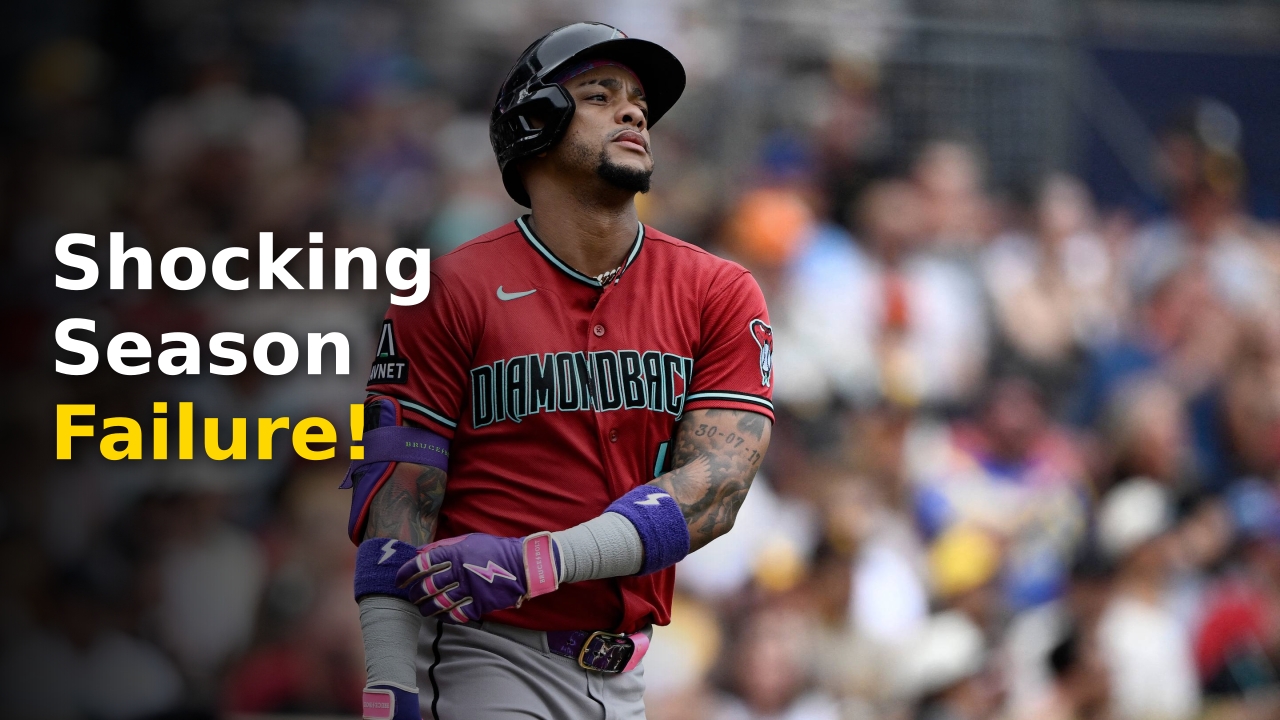
The Diamondbacks playoff miss 2026 marks a painful turning point for a franchise that once stood at the precipice of glory. If you were hoping to see Arizona in the October hunt, this season served as a brutal reality check, confirming their absence from the postseason for the third year running. The dream of competing for a title evaporated on a late-September Sunday, extinguished by both a Philadelphia Phillies victory and a decisive loss to the San Diego Padres at Petco Park.
This outcome was not the result of a single bad week or an unlucky bounce; it was a slow-motion accumulation of errors and injuries. When you dig into the wreckage of this campaign, you see a team that underperformed its potential, wasting high-caliber talent through inconsistent offensive production and a decimated starting rotation. For a city that cherishes its baseball, watching from home is a bitter pill to swallow after so many expectations of a deep run.
The Diamondbacks playoff miss 2026: Analyzing the Fall
At the center of the Diamondbacks playoff miss 2026 were three faces of the franchise who simply failed to deliver at their usual standard. Ketel Marte, Corbin Carroll, and Geraldo Perdomo—all of whom have anchored recent MVP conversations—saw their production plateau or decline exactly when the team needed them to soar. This lack of top-tier offensive output ripple-effected through the entire lineup, leading to stagnant scoring stretches that buried the team in close games.
Ketel Marte, specifically, suffered a massive downturn, with his OPS cratering by 135 points compared to 2025. When your best player struggles to find the strike zone for extended periods, it creates a vacuum that no role player can fill. Couple that with external distractions, including an unexcused absence, and you have a recipe for team-wide disruption that proved impossible to overcome during the heat of a playoff chase.
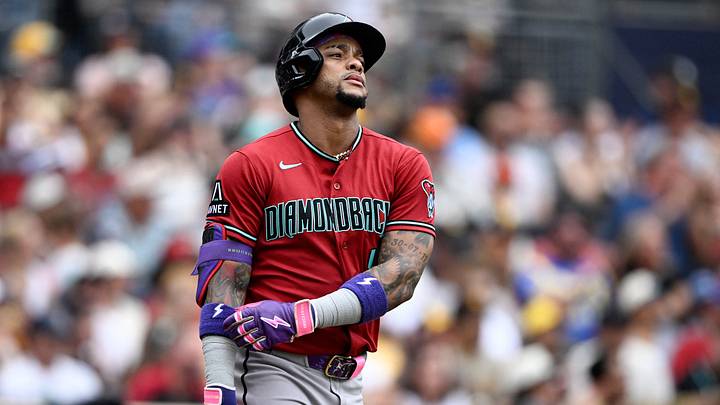
Corbin Carroll, while showing flashes of brilliance, was plagued by a nagging injury that limited his efficiency and led to a crushing mid-season slump. He failed to reach the heights of his previous seasons, finishing with 22 home runs and a .795 OPS. Geraldo Perdomo, the team’s defensive bedrock, saw his offensive numbers vanish after a standout 2025 campaign. He struggled to replicate his 20-homer, 100-RBI production, leaving the middle of the order feeling toothless for long stretches.
The Pitching Crisis
Arizona’s front office entered the season confident in their pitching depth, but that plan collapsed under the weight of injury and inconsistency. Zac Gallen saw his ERA balloon to an alarming 6.07, eventually being shifted to the bullpen as he battled an elbow issue. Merrill Kelly suffered through career-worst numbers, and the highly anticipated return of Corbin Burnes after Tommy John surgery was marred by a shoulder injury that pushed his start until September.
When your primary arms are unavailable, you are forced to lean on rookies like Kohl Drake and Jose Cabrera, whose ERAs exceeded 5.00. While these young players gained invaluable experience, their baptism by fire led to critical losses. Only Eduardo Rodriguez maintained health and effectiveness, acting as a solitary light in a rotation that was otherwise decimated by physical attrition.
By The Numbers: The Offensive Failure
The numbers reveal a startling disparity in how Arizona approached right-handed versus left-handed pitching throughout the 2026 season. While they feasted on southpaws, the team could not crack the code against the right-handed arms that dominate the MLB landscape. This systematic failure is evidenced in the performance gap shown in the table below.
| Metric | Vs. Righties | Vs. Lefties |
|---|---|---|
| OPS | .697 | .782 |
| wRC+ | 92 | 114 |
This data point is damning. You cannot win consistently in Major League Baseball when you struggle against 70% of the pitchers you face. Arizona’s inability to adjust to right-handed sliders and fastballs turned what could have been a strong offense into a middle-of-the-pack liability. According to historical analysis from ESPN’s coverage of MLB trends, teams that fail to maintain balanced offensive splits rarely survive the grind of a 162-game schedule.
Background and Context: Missed Opportunities
The 2026 season was defined by games that simply should have been won. In August and September, Arizona had a clear path to secure a wild-card spot, yet they repeatedly stumbled against sub-.500 opponents. You cannot look past the series losses to the Miami Marlins and the injury-plagued Texas Rangers, both of whom finished the season with lackluster 80-82 records. These were not just losses; they were systemic failures in situational awareness and execution.

In the clutch, the D-backs left too much on the table. While their stats with runners in scoring position showed a marginal improvement over 2025, they were worlds away from the dominance shown in 2024. That season saw them lead the league in OPS with RISP, a key differentiator that fueled their 89-win campaign. When you fail to score that easy run from second base, the pressure mounts, and the pressure eventually breaks the team.
As we reflect on this, it is worth noting the organizational strategic shifts needed to return to relevance. You can find more depth on team rebuilds and roster management analysis at our sister site. Ultimately, the Diamondbacks failed because they lacked the grit to close out the games that dictate the difference between a playoff spot and an early vacation.
People Also Ask
Why did the Arizona Diamondbacks miss the playoffs in 2026?
The Diamondbacks missed the playoffs due to a combination of offensive underperformance from stars like Ketel Marte, severe injury issues in the starting rotation, and an inability to beat sub-.500 teams in crucial late-season matchups.
How did Ketel Marte perform in 2026?
Ketel Marte experienced a significant decline in 2026, hitting .249 with a .748 OPS, which was a 135-point drop from his 2025 performance. His season was also complicated by an unexcused absence that drew external attention.
What happened to the Diamondbacks starting pitching?
The rotation suffered from various injuries to key pitchers like Zac Gallen, Merrill Kelly, and Corbin Burnes. This forced the team to rely on rookie pitchers, leading to higher ERAs and instability across the staff.
How did Arizona struggle against right-handed pitchers?
Arizona struggled significantly against right-handers, posting the seventh-worst batting average in the league at .235. Their 92 wRC+ against righties placed them in the bottom five of the league, hindering their offensive consistency.
Final Thoughts
The frustration surrounding the Diamondbacks playoff miss 2026 is entirely justified for the fanbase. When you see such talent succumb to injuries, slumps, and a failure to capitalize on beatable opponents, it serves as a stark reminder of how fragile a winning season truly is. Looking forward, the organization faces a critical offseason. They must address the offensive volatility and ensure their rotation can stay healthy if they hope to move past this three-year drought. Only by confronting these harsh truths can Arizona return to the postseason stage.
More Like This
For more updates, check out our latest entertainment and sports news.