Could creator fines completely destroy your online business if you talk about local elections without a formal disclaimer? Imagine scrolling through Instagram and seeing your favorite lifestyle guru pitching a candidate, only to discover they pocketed thousands under the table. California lawmakers are aggressively shutting down these covert propaganda networks with massive financial penalties.
State officials in Sacramento are taking direct aim at paid digital spokespeople. Influencers who neglect to clarify paid endorsements during state elections face harsh economic exposure. From local ballot initiatives to major gubernatorial races, silent political sponsorships are officially ending.
If you create digital content or follow big personalities online, this legal shift directly changes how political campaigns operate across Instagram, TikTok, and YouTube. Voters demand radical transparency while regulators prepare strict legal actions against stealth endorsements.

Creator Fines Target Undisclosed Political Posts
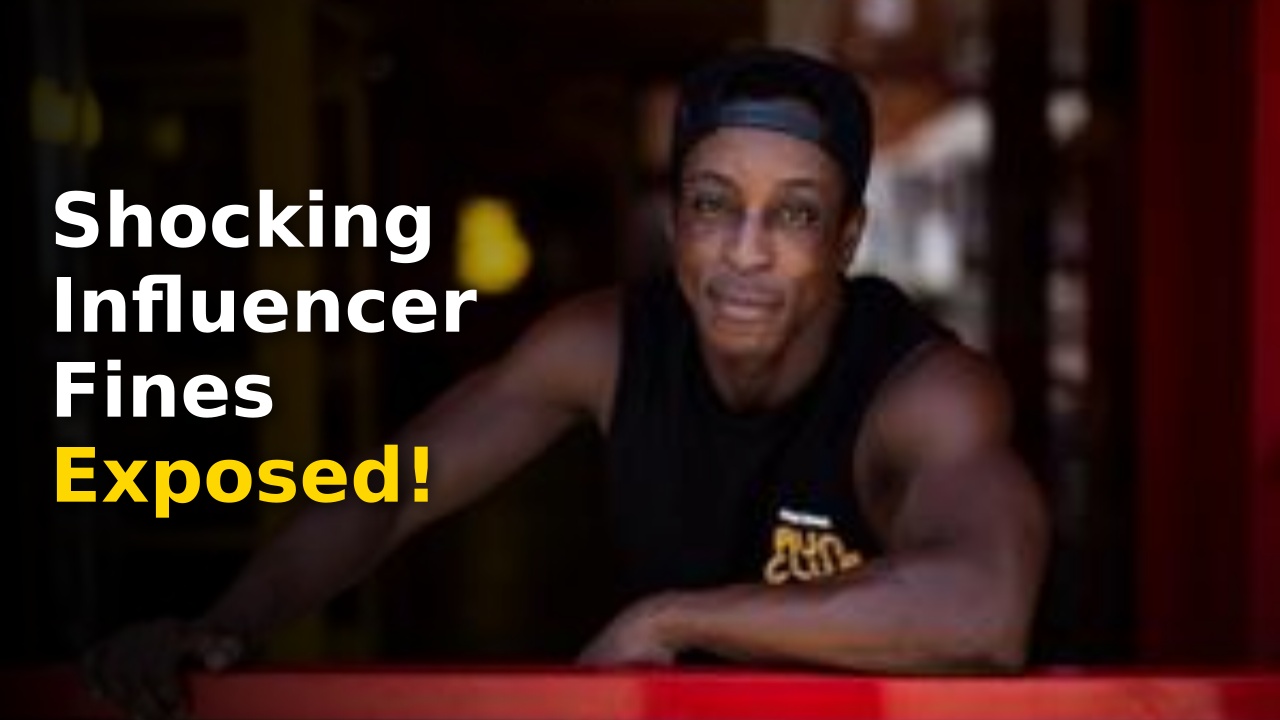
Prominent independent vegan influencer Shaka Smith recently found himself at the center of this burgeoning national debate. Operating out of his fast-food business in Santa Monica, California, Shaka Smith commands an audience of over 700,000 dedicated followers.
Just weeks before voting concluded in California’s high-stakes primary election for governor, Shaka Smith took to his primary social channel to voice support for gubernatorial candidate Tom Steyer. His video detailed key political priorities ranging from healthcare reforms to artificial intelligence safeguards.
“Healthcare shouldn’t bankrupt you, housing should not feel impossible, polluters shouldn’t pass their bill to us and artists should not be replaced by AI,” Shaka Smith told his followers on August 6, 2026. “That’s why I’m supporting Tom Steyer for governor.”
While Shaka Smith shared his genuine views as an independent voter, state regulators emphasize that unpaid opinions and compensated political campaigns must remain clearly distinguishable. When money changes hands behind the scenes, content moves from free expression into regulated campaign literature.
Digital political campaigns routinely allocate millions toward influencer network outreach. Candidates leverage local lifestyle figures to connect with younger demographics who routinely ignore traditional television commercials and printed mailers.
When influencers accept undisclosed funds to praise specific candidates, voters lose their ability to evaluate political messages objectively. Regulators argue that undisclosed political promotion undermines democratic integrity across entire voter bases.
Consequently, state authorities are preparing significant legal measures to ensure every sponsored political post features prominent visual and audio declarations. Failure to maintain clear compliance now exposes influencers to substantial state penalties.
Inside California’s Shocking Legislative Crackdown
Assemblymember Marc Berman, a Democrat representing D-Menlo Park, has spearheaded legislative efforts in Sacramento targeting modern political campaign tactics. Since August 21, 2025, Assemblymember Marc Berman has pushed comprehensive measures aimed at strengthening election integrity across California.
State lawmakers recognize that political advertising has fundamentally migrated away from legacy media outlets. Digital creators hold immense persuasive power over millions of undecided voters who consume political commentary alongside daily lifestyle vlog content.
Unlike legacy television ads that require mandatory political disclosures, social media feeds have operated as a regulatory frontier for years. State leaders are now closing these legal loopholes by enacting stringent reporting requirements.
Campaign finance disclosure laws historically applied almost exclusively to registered political action committees, traditional media buyers, and direct political consultants. Expanding these heavy regulatory obligations onto individual content creators represents a major legal shift.
State enforcement agencies are setting up digital tracking protocols to analyze political posts during election cycles. Advanced monitoring tools examine viral content, tracking sponsored tags, candidate mentions, and campaign partner disclosures.
Legal analysts note that state agencies will enforce compliance through formal administrative reviews and monetary sanctions. Influencers can no longer claim ignorance of complex election codes when publishing sponsored political content.
Campaign finance attorneys across California are urging digital agencies to draft explicit contractual compliance clauses. Influencers must understand that accepting political dollars creates legal obligations identical to those of traditional political advertising firms.

Breakdown of Impacted Creator Fines
Understanding how creator fines function requires analyzing state campaign finance penalty frameworks. When a digital creator fails to declare campaign funding, state enforcement bodies calculate penalties based on campaign ad spending totals and potential voter reach.
Regulators evaluate whether non-disclosure was an accidental oversight or a deliberate attempt to deceive public voters. Fines can quickly accumulate per violation, turning a quick viral promotional deal into a crippling financial burden.
Creators who manage multiple social channels face compounded legal liability for duplicate non-compliant uploads. Regulators inspect every platform upload individually when issuing administrative monetary orders.
Beyond individual state actions, the federal government maintains parallel oversight guidelines. International coverage from major outlets like Reuters documents how regulatory agencies worldwide are tightening rules on digital election influence.
To keep track of viral trends and celebrity political commentary, readers regularly follow the latest entertainment and celebrity updates to spot changing digital culture patterns.
Key Disclosure Rules Every Influencer Needs
- Explicit visual text overlays declaring “Paid Political Advertisement” visible throughout the entire video runtime.
- Verbal audio statements clearly identifying the candidate or political committee funding the content within the first five seconds.
- Platform-level partnership tagging enabled on Instagram, TikTok, YouTube, and X / Twitter.
- Comprehensive financial disclosure filings submitted directly to state election monitoring commissions.
- Written contracts detailing campaign compensation schedules and specific messaging requirements.
The Hidden Dangers for Everyday Influencers
Many micro-influencers mistakenly believe regulatory enforcement targets only mega-celebrities with millions of subscribers. In practice, regulatory agencies inspect mid-tier and local content creators who command hyper-engaged regional audiences.
Political campaign consultants frequently target creators with 10,000 to 100,000 followers because localized followings yield high voter turnout efficiency. These smaller creators often lack dedicated legal teams to draft proper disclosures.
When micro-influencers inadvertently break state disclosure mandates, they face identical statutory liability structures as massive media corporations. Ignorance of complex election statutes offers zero legal protection against state enforcement officers.
Talent agencies managing digital creators are quickly restructuring how political campaign deals are handled. Booking contracts now routinely require candidate committees to indemnify creators against accidental disclosure breaches.
Platform algorithms are adapting to recognize political messaging, prompting creators to verify funding disclosures before distribution. Unlabeled political content risks immediate demonetization or account shadow-banning.
The reputational risks associated with non-compliance often exceed direct monetary sanctions. Audience trust dissipates rapidly once followers discover a favorite creator took covert money to promote political candidates.
Creators must establish rigorous internal review processes before accepting financial compensation during election seasons. Clear disclosures protect both audience credibility and personal business capital.

Key Statistics Behind Social Media Campaigns
The financial scale of modern digital political marketing explains why state authorities are moving decisively. Political action committees routinely spend millions hiring social figures to sway crucial swing districts.
The table below illustrates recent platform spending trends, estimated disclosure compliance levels, and potential state penalty ranges associated with political influencer posts.
| Platform | Average Political Spend | Est. Disclosure Rate | Potential Fine per Post |
|---|---|---|---|
| $45,000,000 | 62% | Up to $10,000 | |
| TikTok | $38,000,000 | 48% | Up to $15,000 |
| YouTube | $62,000,000 | 78% | Up to $10,000 |
| X / Twitter | $22,000,000 | 55% | Up to $5,000 |
As shown above, compliance rates vary significantly across platforms, creating legal vulnerabilities for creators across all sectors. Regulators analyze these gaps to prioritize enforcement actions during election months.
Digital ad buyers often exploit platform variations to launch unlabelled political messaging campaigns. Regulators are targeting these inconsistencies directly through streamlined state enforcement protocols.
Campaign finance transparency advocates celebrate these newly introduced tracking mechanisms. They argue clear disclosures empower voters to separate paid promotion from authentic public sentiment.

Ultimate Playbook for Political Compliance
Adapting to these modern regulatory frameworks requires proactive compliance strategies from creators and marketing management agencies alike. Navigating digital campaign laws demands clear operational boundaries when accepting compensation.
First, creators must demand full legal clarity from political campaigns prior to accepting payment. Written agreements should specify exact disclosure verbiage, placement requirements, and regulatory filing obligations.
Second, creators must audit past political postings to ensure retroactive compliance with evolving state enforcement standards. Removing non-compliant legacy posts reduces potential administrative liabilities during political reviews.
Third, digital agencies must train management personnel to recognize political ad classifications. Even non-partisan issue awareness posts can trigger disclosure requirements if funded by political committees.
Voters deserve absolute transparency regarding who funds the media content occupying their daily feeds. Clear legal rules protect democratic elections while preserving digital creator integrity.
As political digital spending continues rising across California, avoiding steep creator fines depends on complete transparency. Content creators who embrace explicit disclosures will protect their income, maintain community trust, and operate smoothly in the modern election era.
More Like This
For more updates, check out our latest entertainment and sports news.