Key Takeaways
| Market Saturation: Growth has stalled as Afro-pop struggles to crack the US Top 40 consistently. |
| Rising Stars: Artists like Ayra Starr are prioritizing creative integrity over chasing US commercial validation. |
| Structural Hurdles: The industry faces disparities in marketing, colorism, and platform-specific optimization. |
| Evolution of Sound: Amapiano and experimental fusions are reshaping the genre’s future direction. |
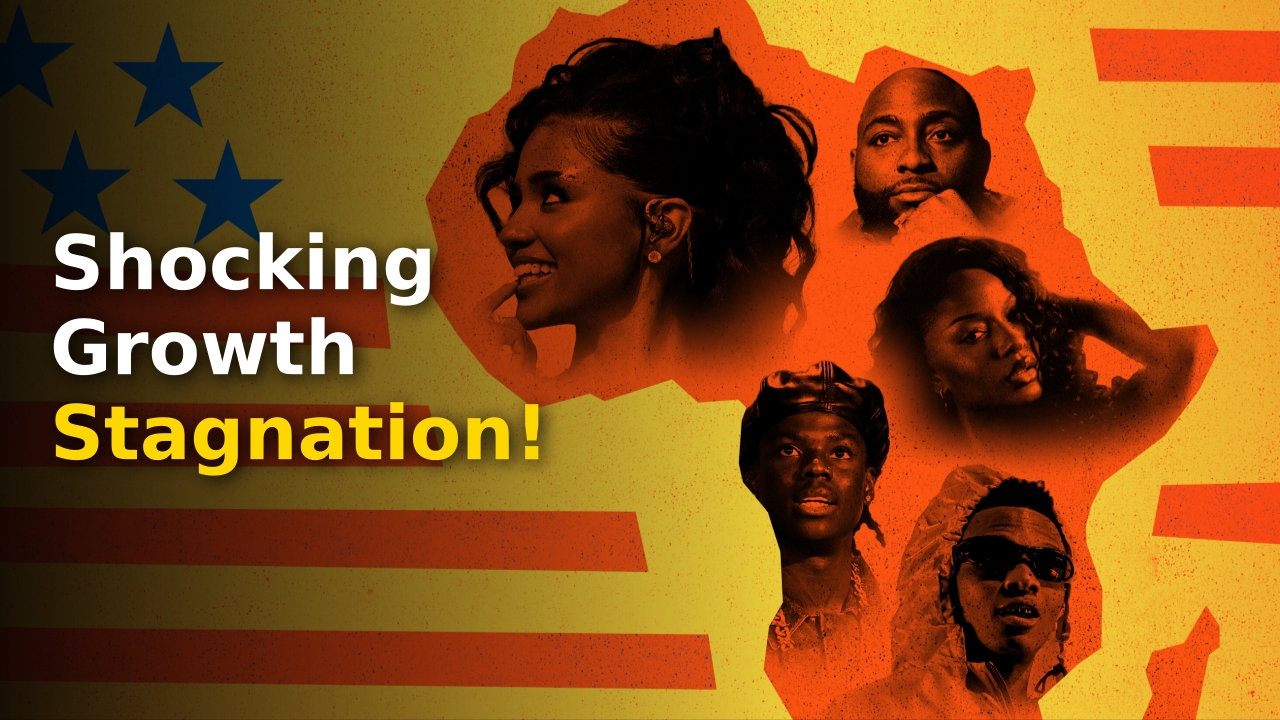
The African pop US takeover of the global stage feels like a promise only half-kept as we navigate the music landscape of 2026. You have witnessed the meteoric rise of stars like Tyla and Rema, yet the initial gold rush of the early 2020s has shifted into a more complex, uncertain phase of endurance.
While Tyla made history at the 2024 Grammys, the broader movement is now grappling with why its massive momentum has cooled in the American market. It is time to look at the data and the creative shifts defining this pivotal moment for artists from Nigeria, South Africa, and beyond.
Understanding the African pop US takeover trajectory
The dream of an African pop US takeover was built on a decade of infrastructure, including major label deals for Wizkid and Davido. This era saw the modernization of highlife and juju, creating a bridge to Western pop that felt inevitable and permanent. However, the crossover success that defined 2022 and 2023 has faced unforeseen market resistance.
One major factor is the sheer lack of turnover on US radio. While K-pop successfully leveraged national unity, Afro-pop carries the weight of representing an entire continent, often leading to a disproportionate focus on Nigeria. This creates a cultural bottleneck where only a few artists receive the institutional backing required to dominate Western charts. 
Artists are now responding to these market pressures by pivoting their creative strategies. Some, like Davido, are leaning into their legacy with albums like Oriadé, while others are pushing for more experimental club sounds. The transition from buzz-worthy viral hits to sustained, long-term careers remains the biggest challenge for the next generation of African superstars.
By the numbers, the reliance on social media and video-powered feeds has not favored the genre in the same way it has for other international imports. The U.S. Afrobeats chart, while a milestone in itself, has become static, highlighting a need for a new influx of energy and fresh marketing approaches to reignite the movement.
Defining the new creative benchmarks
The transition from chasing commercial metrics to establishing artistic milestones is becoming the new standard. Ayra Starr serves as the primary example of this shift. Her recent work avoids the trap of tailoring music to the American observer and instead focuses on the identity of the young African woman. This authenticity may not result in immediate Billboard dominance, but it creates a more sustainable career foundation.
Industry performance metrics and chart status
To measure the progress of the movement, we must look at the actual performance of the music on digital service providers and radio. The following table highlights the contrast between the initial breakthrough successes and the current state of market stagnation.
| Metric | Breakout Period (2022-2023) | Current Status (2026) |
|---|---|---|
| Hot 100 Presence | High volatility, consistent entries | Limited movement, static charts |
| Label Investment | Aggressive global expansion | Strategic caution, selective signings |
| Cultural Impact | Mainstream breakthrough | Niche development and integration |
The evolution of African pop stars
Tyla and Ayra Starr are frequently compared, but their paths reflect different philosophies on the African pop US takeover. While Tyla has focused on expanding the definition of global pop, she faces criticism for becoming overly calculated. The magic of her 2024 breakout was rooted in intimacy and subtlety, qualities that are being tested by the pressures of global fame.
In contrast, Ayra Starr is emerging as a harbinger for a different kind of success. Her album Starr Girl is a masterclass in self-assured artistry. She successfully blends her cultural roots with modern pop structures, proving that one can be an African star without sacrificing the complexity of the music for the sake of an external, often Western, audience.

We can look at the latest updates on top musical trends for further context on how these shifts affect the broader music industry. The rise of Alté and the evolution of amapiano are proving that there is no single sound for the continent. This diversity is both a strength and a challenge for branding in the American market.
Ultimately, the artists who will define the next phase of this movement are those who treat their music as a programming language rather than a software update for Western ears. The goal is to set the trend, not just participate in it. You can learn more about these developments via Forbes’ analysis of the music industry economy and its impact on emerging markets.
People Also Ask
Why has the African pop US takeover slowed down?
The initial momentum has faced hurdles including market saturation, limited turnover on US radio, and a lack of optimization for video-powered social platforms that currently drive Western music consumption.
How does Tyla fit into the current Afro-pop landscape?
Tyla is seen as a central figure who helped codify a specific space for African music, but her recent work is being scrutinized for focusing too heavily on external validation rather than the organic artistry that fueled her initial success.
Is Ayra Starr more successful than Tyla?
While success is subjective and hard to quantify, Ayra Starr is increasingly viewed by critics as the more self-assured artist, focusing on creative growth and cultural identity rather than chasing specific US chart placements.
What is the significance of the U.S. Afrobeats chart?
The chart was launched to recognize the growing impact of the genre, but it has become a subject of discussion as it often shows limited movement, suggesting that Afro-pop needs to find new ways to engage and expand beyond its current listener base.
Future outlook for the genre
The potential for a sustained African pop US takeover remains, but it requires a shift in how we measure value. If we rely solely on Billboard rankings, we may miss the deeper cultural shifts occurring on the ground. The most successful artists will likely be those who follow the path of creative independence and authentic expression.
As you watch the market, keep an eye on how labels adapt their strategies to support these artists. The industry is currently at a turning point where the pressure to yield returns clashes with the need to nurture long-term, artistic careers. For more industry insights, check out our expert analysis of international talent growth.
If the African pop US takeover is to finish the job, it must prioritize the treasure of the music itself over the numbers. The path forward is not about fitting into an existing mold, but creating a new one that the rest of the world will eventually have to follow.
More Like This
For more updates, check out our latest entertainment and sports news.