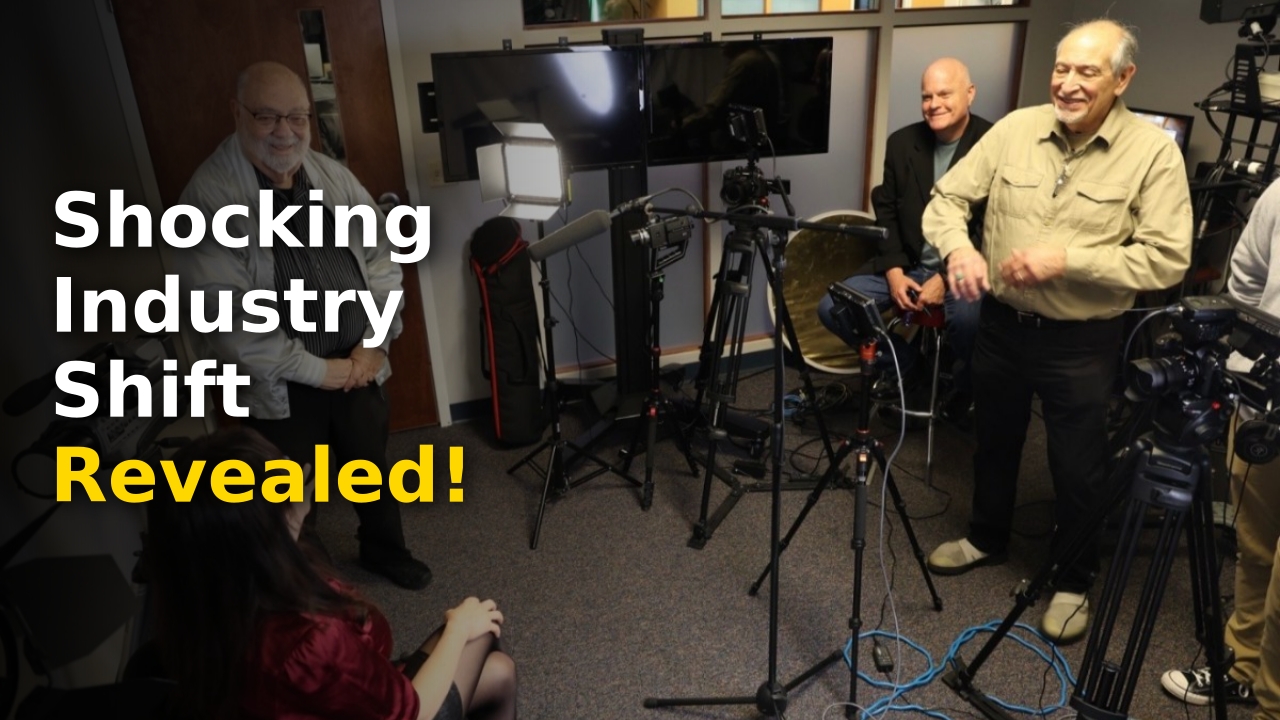
Connecticut filmmaking is poised to reclaim its status as a premier global hub for cinematic storytelling, according to a compelling new documentary that challenges the traditional dominance of Hollywood. You might think the best stories only unfold on the streets of Los Angeles, but a fresh perspective is proving that the Nutmeg State has been the secret engine room for some of the most iconic motion pictures ever produced.
This documentary, titled “Hollywood to Hartford: Connecticut’s Film & Television Story,” is not just a collection of behind-the-scenes footage; it is a strategic calling card aimed at luring massive production budgets to the region. By documenting the state’s deep history and its untapped potential, creators are finally pulling back the curtain on why Connecticut filmmaking is an undeniable force to be reckoned with in the current streaming-first era.
Connecticut filmmaking and industry evolution
For decades, the industry operated under the assumption that you had to be in New York or California to achieve technical excellence. The documentary dismantles this myth by showcasing the local talent, world-class equipment, and specialized support services that have quietly flourished in cities from Hartford to Mystic. It turns out, you don’t need a sprawling studio backlot in Burbank to capture a masterpiece.
Stephen Emirzian, the visionary behind this project, spent months capturing the passion of local professionals. He realized that the narrative about Connecticut needed an update. Gone are the days when producers were forced to import their entire crew from the West Coast. Today, the local infrastructure is fully capable of handling complex shoots.
You will find that the documentary covers a diverse range of projects, from the classic elegance of Alfred Hitchcock to the modern aesthetic of today’s indie darlings. The film invites viewers to reconsider the landscape. If you follow the latest updates in the entertainment world at brightcelebrity.com, you understand how regional hubs are shifting the power balance in Hollywood.
The documentary also highlights the human element. The anecdote about the local chef who catered the set for free perfectly encapsulates the community spirit found in the state. This level of hospitality is something you simply cannot buy in a standard production contract. It adds a layer of authenticity that is visible on screen.
There is also a strong emphasis on training. Institutions like the Connecticut School of Broadcasting are ensuring that the next generation of filmmakers has the skills to compete internationally. This educational foundation is a critical pillar for any state aiming to become a self-sustaining creative economy.
The film concludes with a direct appeal to producers and directors across the globe. By laying out the resources, the tax incentives, and the sheer natural beauty of the geography, the documentary creates a persuasive case for moving production schedules to New England. 
Community and growth indicators
- Local soundstages provide world-class acoustics for high-budget projects.
- The Connecticut Film & TV Alliance serves as a central hub for networking and resource sharing.
- Tax incentives provide a clear financial runway for independent producers and major studios.
- Educational institutions offer consistent pipelines for specialized crew roles.
Economic data and infrastructure statistics
When you examine the hard data, the viability of filming in Connecticut becomes incredibly clear. The infrastructure is not just “good enough”—it is built to handle high-velocity production cycles that rival major cities.
| Category | Regional Capacity |
|---|---|
| Soundstages | Fully Equipped & Scalable |
| Equipment Rental | Complete Lighting & Camera Sets |
| Technical Staff | Highly Experienced Local Talent |
| Support Services | Dedicated Logistics & Catering |
The state has worked tirelessly to harmonize these elements. It is no longer about begging Hollywood for a chance; it is about providing a superior product that makes fiscal and creative sense. You can see this transition reflected in the types of films being produced today compared to twenty years ago. 
Jim Robinson, who spearheaded the editing process, emphasized that the lack of resources is a outdated myth. The state offers everything from specialized camera rigs to vintage wardrobe sourcing. This creates an environment where you can execute a full feature-length film with local support.
The financial side is equally compelling. Governments now understand that creative output is a measurable asset. By facilitating tax breaks, they ensure that the economic footprint of a film production stays within local borders. This keeps tax dollars circulating back into the local shops, hotels, and businesses.
Furthermore, the geographic proximity to major transit hubs allows for seamless communication between production sets and corporate headquarters. This efficiency reduces the dreaded downtime that usually inflates the budget of high-stakes cinematic projects. The logistics of filming in this region have become remarkably streamlined.
If you look at the career trajectory of stars like Illeana Douglas, you see a deep appreciation for the aesthetic diversity of the region. From the historic homes in Fairfield County to the rugged coastlines, the location choices are almost limitless. These locations provide a visual backdrop that is often superior to expensive studio sets.
Finally, we cannot ignore the cultural weight of the films already produced here. From Mystic Pizza to Spielberg’s modern epics, the history is robust. It is a legacy that future filmmakers are eager to build upon, ensuring the cycle of creativity continues for years to come.
Reflecting on the future of state arts
As the industry continues to pivot toward decentralized production, Connecticut stands as a beacon for what is possible when community and technology intersect. You are seeing a shift where talent is no longer restricted by a zip code but by the quality of the opportunities provided. The message is clear: if you want to make a movie that matters, the infrastructure is already waiting for you here.
The documentary serves as both a history lesson and a roadmap. It highlights the relationships that make successful films possible, proving that the most successful projects are built on strong partnerships. If you are an aspiring filmmaker, this story should serve as a massive dose of motivation.
Looking ahead, the goal is to keep the momentum high. As more productions choose the Nutmeg State, the ripple effect on the economy and the local creative scene will only intensify. The work being done by the Connecticut Film & TV Alliance is just the beginning of a larger, long-term movement.
We invite you to keep an eye on this trend. Whether you are a fan of classic cinema or a future producer scouting your next project location, the evolution of this scene is worth watching. The future is looking brighter than ever for everyone involved in this craft.
Ultimately, the goal of this documentary is to inspire action. It asks the industry to stop looking at the map through a tired lens and start seeing the immense value that local production brings to the table. We believe this is the start of a golden age for Connecticut filmmaking.
More Like This
For more updates, check out our latest entertainment and sports news.