Did you know that saying goodbye to a fictional character can cause real, clinical grief for the creators who birthed them? For elite Comedy Writers, the painful process of closing the curtain on beloved characters often feels like losing a member of the family. You might think writing jokes is all laughs, but behind the scenes, the final page of a script brings immense emotional devastation.
At a recent panel in Los Angeles, some of the industry’s top minds gathered to share their heavy hearts. Hosted by the Writers Guild Foundation, the ‘Sublime Primetime’ event became an impromptu therapy session. Stars and showrunners bared their souls about the brutal reality of ending their iconic runs in 2026.
From the legendary stages of Warner Bros. Studios to the picturesque streets of Paris, the journey of bringing these narratives to life is filled with high-stakes tension. If you want to understand the true emotional toll of the entertainment industry, you must look at how these masterminds navigate their final goodbyes.
Comedy Writers Grieve

Valerie Cherish Lives
The legendary Lisa Kudrow knows the pain of farewells better than almost anyone in show business. Alongside co-creator Michael Patrick King, she spent over two decades intermittently stepping into the shoes of Valerie Cherish. This iconic, self-absorbed character first found life at the historic sketch comedy group The Groundlings.
Valerie eventually transitioned to the small screen on HBO in the ground-breaking series *The Comeback* back in 2005. The show was a satirical masterpiece that examined the humiliating nature of reality television and aging in Hollywood. For years, audiences cringed and laughed as Valerie fought tooth and nail for a shred of dignity.
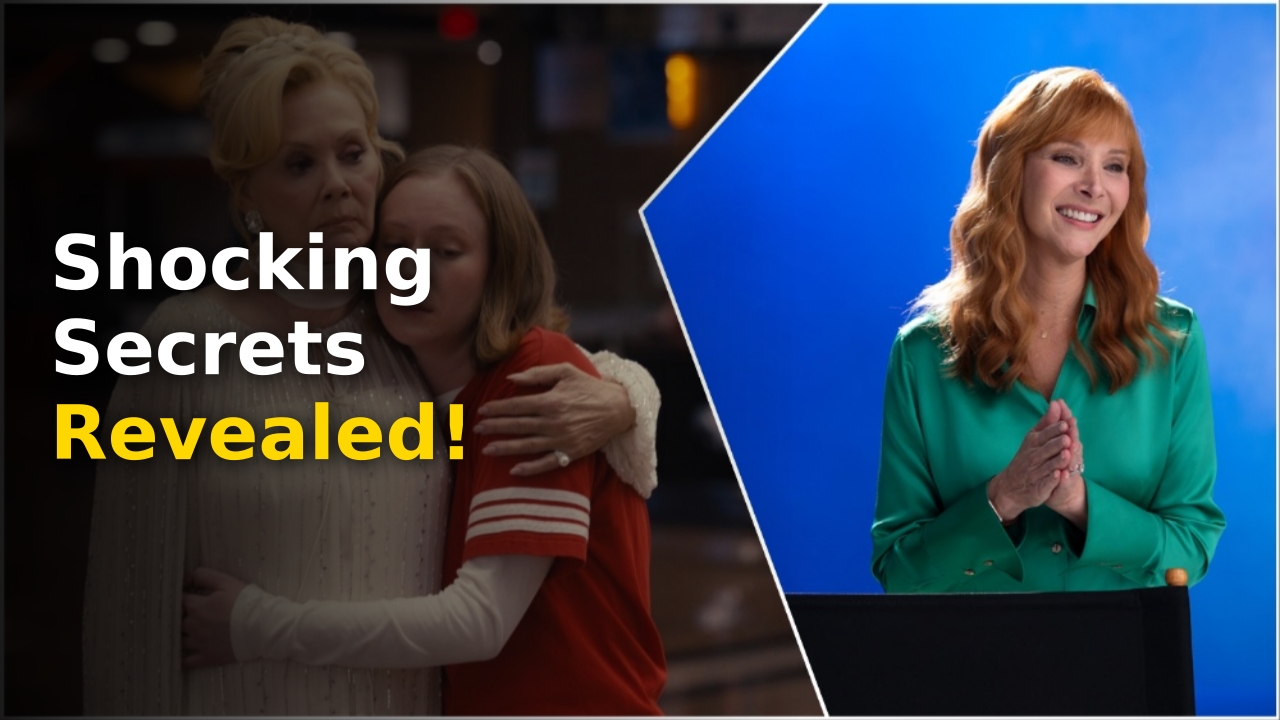
During the emotional final season, Valerie performs a striking piece directly to the camera. Directed by Jane Benson, played by the brilliant Laura Silverman, the scene shifts beautifully from stark black-and-white to vibrant color. Jane praises Valerie for fighting against the looming threat of artificial intelligence, a highly relevant topic in today’s landscape.
Yet, Valerie rejects the narrative of victimhood in her classic, stubborn style. ‘I think you have to agree to be humiliated, and I never signed up,’ she famously declares in the final moments. It was a revolutionary moment that redefined the character’s entire journey for the audience.
At the Sublime Primetime event, Lisa Kudrow revealed that even veteran actors were mystified by how she inhabited the complex role. Valerie had a unique psychological defense mechanism where she spun every failure into a win, shielding herself from the pain. Only at the very end does she realize that refusing humiliation is always an option.
For more deep dives into the lives of your favorite stars, explore our exclusive look at celebrity entertainment news. Understanding the psychological layers of these iconic roles helps us appreciate the immense talent required to bring them to our screens.
The Friends Connection
Filming this final statement of dignity was far from an easy task for the production crew. The creative partners chose to shoot the monumental scene on the absolute last day of their production schedule. This decision amplified the emotional weight of the moment to an almost unbearable degree.
For veteran Comedy Writers, the physical space where a story ends is just as important as the script itself. They recorded the finale on the historic Friends stage, the very place where Lisa Kudrow spent ten years of her life. It was the space where she previously said goodbye to Phoebe Buffay and the era that defined her career.
Co-creator Michael Patrick King admitted that their production plan was incredibly risky. They deliberately set up the schedule so that the endings of *Friends* and *The Comeback* would mentally align for Kudrow. They aimed to capture the raw, real-life emotion in a single, high-stakes take.
‘We were nuts,’ King told the laughing crowd at the Writers Guild event. The gamble paid off, producing a raw piece of television history that resonates deeply with fans. Yet, the emotional echoes of that final day still linger with both creators today.
Interestingly, Valerie Cherish’s fictional opinion on *Friends* remains as hilarious as ever. When asked at the panel what Valerie would think of the mega-hit sitcom, Kudrow did not hesitate. ‘She’s not impressed with the woman who played Phoebe,’ Kudrow joked, staying perfectly in character.
This playful banter highlighted the bittersweet relationship creators have with their most famous works. Saying goodbye means letting go of a part of your own identity, a process that takes years to fully process.
Hacks Final Stand
The Ultimate Journey
The creative trio behind the hit series *Hacks*—Lucia Aniello, Paul W. Downs, and Jen Statsky—faced a similar emotional reckoning. Their beloved show came to an end after five highly successful seasons on streaming television. The final episodes, which aired in May 2026, took viewers on a dark and unexpected emotional ride.
For modern Comedy Writers, ending a five-season run involves balancing character resolution with artistic integrity. In the final story arc, legendary comedian Deborah Vance, played by Jean Smart, drops a bombshell on her young writer Ava. She reveals a devastating cancer diagnosis and announces her plan to travel to Switzerland for assisted suicide.
Before taking the final step, Deborah demands one last road trip filled with gallows humor and quick-witted banter. After riffing on endless jokes about death, the comedy icon changes her mind in a beautiful moment of creative passion. She asks Ava, played beautifully by Hannah Einbinder, to help her write one final hour of stand-up comedy.
Co-creator Paul W. Downs expressed the deep sadness that enveloped the entire writing room during these final sessions. The team knew they were writing the end of a legendary creative partnership. They wanted to honor the complex bond between these two fiercely competitive women.
The final episodes also represented a massive full-circle moment that felt almost magical for the showrunners. Back in 2019, the trio rented an apartment in Paris while Statsky was working on the series finale of the acclaimed show *The Good Place*. It was during this trip that they laid the foundations for what *Hacks* would eventually become.
Seven years later, they found themselves filming the final scenes of their own show on the very same Parisian street. This uncanny coincidence brought a sense of fate to their painful farewell. It reminded them of how far they had traveled since those early brainstorming sessions.
Grief and Privilege
During the live panel, Lucia Aniello openly confessed to the audience about the profound grief she still carries. She admitted that she desperately misses the characters in a way that sometimes feels pathetic to her. The bond formed with fictional personalities can become incredibly real over years of intense daily writing.
To cope with the painful transition, desperate Comedy Writers took to the road, organizing a live tour featuring Smart and Einbinder. This final tour of duty was a deliberate strategy to keep the creative family together just a little bit longer. It served as a vital part of the grieving process for the entire production crew.
Co-creator Jen Statsky echoed these sentiments, highlighting how difficult it is to step away from such a supportive environment. She emphasized that making a successful comedy in the current media landscape of 2026 is incredibly difficult. Having the opportunity to run a show for five seasons is an immense privilege that they do not take for granted.
The landscape of television is changing rapidly, making long runs for original comedies increasingly rare. This reality made the end of *Hacks* even more bittersweet for the team. They knew they had achieved something truly special in an unstable industry.
The emotional weight of the finale kept the creators up at night even days before the episodes finally aired. They constantly second-guessed their decision to tackle such dark themes of life and death. They wondered if they should have ended the series on a traditional, happy note in the penultimate episode.
Ultimately, they chose the riskier path, believing that true art should reflect the complicated realities of life. The resulting episodes solidified the show’s place in television history. Yet, the cost of that creative success was a deep, lingering sense of loss for the writers.
Analyzing Emmy Battles

The immense dedication of these creative teams has not gone unnoticed by the television industry. Both *The Comeback* and *Hacks* have secured major nominations at the upcoming Emmys. They are competing in the highly coveted category of Outstanding Writing for a Comedy Series.
The competition is exceptionally fierce this year, featuring some of the most critically acclaimed shows on television. The nominees represent the very pinnacle of modern humor and storytelling. Each show brings a unique perspective to the screen, making the final vote incredibly unpredictable.
To understand the high stakes of this creative battleground, we must look at the creative choices of these legendary Comedy Writers. The writers behind these projects have pushed the boundaries of what a comedy series can achieve. Below is a detailed look at the contenders vying for the ultimate television honor in 2026.
| Comedy Series | Key Creators/Writers | Primary Themes | Network / Platform |
|---|---|---|---|
| The Comeback | Lisa Kudrow, Michael Patrick King | Dignity, aging, Hollywood satire | HBO |
| Hacks | Lucia Aniello, Paul W. Downs, Jen Statsky | Generational divides, mortality, comedy industry | Max |
| Abbott Elementary | Quinta Brunson | Public education, workplace romance, community | ABC |
| The Chair Company | Tim Robinson, Zach Kanin | Absurdist corporate life, existential dread | HBO |
| Widow’s Bay | Amy Poehler | Small-town secrets, female friendship | Peacock |
| Jury Duty Presents: Company Retreat | Lee Eisenberg, Gene Stupnitsky | Improvised reality, corporate satire | Amazon Freevee |
This impressive lineup showcases the sheer diversity of modern comedic television. The battle between the traditional mockumentary style of *Abbott Elementary* and the dark, existential tone of *Hacks* represents a fascinating moment in pop culture history.
Regardless of who takes home the trophy, the impact of these shows will be felt for generations. The writers have proven that comedy can be a powerful vessel for exploring the deepest aspects of the human condition.
Behind the Scenes
Psychology of Comedy
Many Comedy Writers channel their deepest personal struggles directly into their work. Creating comedy requires a unique psychological resilience that many people outside the industry do not understand. Writers must constantly expose their own vulnerabilities, insecurities, and fears to construct relatable humor.
When a show finally ends, that creative outlet is suddenly stripped away, leaving a profound void. Psychologists note that the grieving process for showrunners can mimic the loss of real-life relationships. They have spent years talking to, thinking about, and arguing as these characters in high-pressure environments.
For the creators of *The Comeback*, Valerie Cherish was more than just a character on a page. She was a shield against the harsh realities of the entertainment industry for over two decades. Letting her go meant facing the world without that protective comic armor.
Similarly, the team behind *Hacks* used the dynamic between Deborah and Ava to process their own feelings about aging, success, and partnership. Writing their final scene was a therapeutic way to say goodbye to their own youth and early careers. The emotional weight of that transition cannot be understated.
This deep connection explains why these creators felt so desperate to keep the cast together through live performances. It was not just about promoting the show or chasing awards. It was a vital psychological coping mechanism to ease the pain of transition.
Understanding this psychological dynamic changes how we view our favorite television programs. Behind every clever punchline lies a team of artists pouring their hearts and souls into the work. Their pain is the price we pay for legendary entertainment.
The Future of Comedy
As the entertainment industry continues to evolve in 2026, the challenges facing creators will only grow. The rise of streaming platforms and changing viewer habits has made the television landscape highly unpredictable. In this high-stakes environment, the voice of the artist is more important than ever.
The bravery shown by these prominent Comedy Writers in tackling heavy themes like dignity, mortality, and survival sets a new standard for the industry. They have proven that audiences are hungry for complex, emotionally resonant narratives that push beyond simple gag-based writing.
As we celebrate the achievements of *The Comeback* and *Hacks*, we must also look forward to the next generation of storytellers. The lessons learned from these legendary showrunners will undoubtedly inspire future creators to take bold risks. While saying goodbye is incredibly tough, the stories left behind will continue to inspire and comfort audiences for decades to come.
More Like This
For more updates, check out our latest entertainment and sports news.