Key Takeaways
| Coastal Hub | Mar del Plata manages 47 kilometers of coastline dedicated to nautical tourism. |
| Year-Round Access | Schools and facilities operate 12 months a year, defying traditional seasonal lulls. |
| Submarine Heritage | The Cristo Rey underwater park features three sunken vessels for professional diving. |
| Historical Legacy | The Club Náutico Mar del Plata has been a breeding ground for athletes since 1925. |
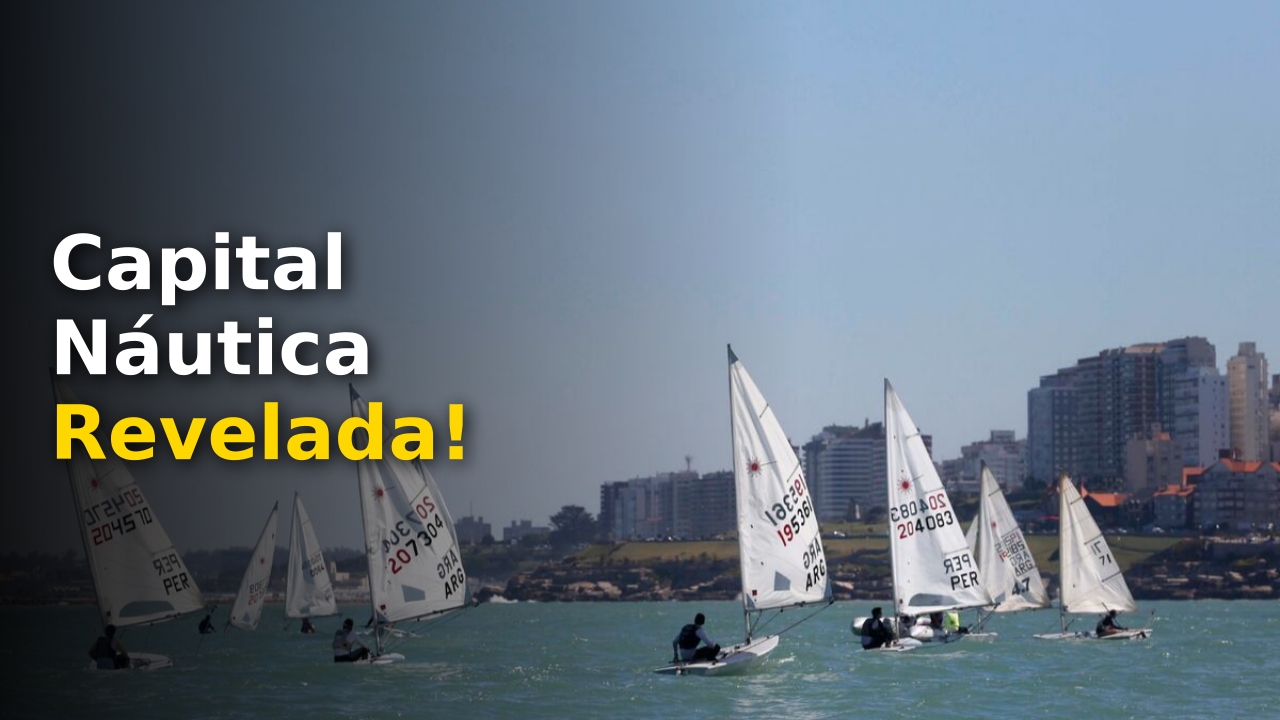
You have likely gazed at the Atlantic from the shores of Buenos Aires, but have you ever considered that Mar del Plata es la capital nacional de los deportes náuticos? This coastal powerhouse has evolved from a simple vacation destination into a high-octane hub where the ocean is not just for viewing, but for mastering. Whether you are a novice looking to balance on a paddleboard or an expert navigating the swells, this city offers the most robust nautical infrastructure in the region.
With over 47 kilometers of coastline, the city provides a dynamic environment that attracts thousands of athletes every year. From the iconic waves of Playa Grande to the calm retreat of the Laguna de los Padres, the variety here is unmatched. It is no surprise that elite training grounds have chosen this port to forge the next generation of Argentine sports legends.
Mar del Plata es la capital nacional de los deportes náuticos: A Deep Dive
The transformation of this destination into a global contender for nautical sports is rooted in its historic institutions. Organizations such as the Yacht Club Argentino and the Club Náutico Mar del Plata serve as the backbone of local maritime culture. These clubs are more than just social centers; they are competitive ecosystems that have nurtured iconic figures like Guillermo Vilas and Cristian Rosso.
You can access comprehensive training for yachting, windsurfing, and motor navigation through these historic bodies. The infrastructure is built to support all skill levels, ensuring that no one is left on the sand. By integrating professional instruction with high-quality equipment rentals, the city lowers the barrier to entry for extreme water sports. 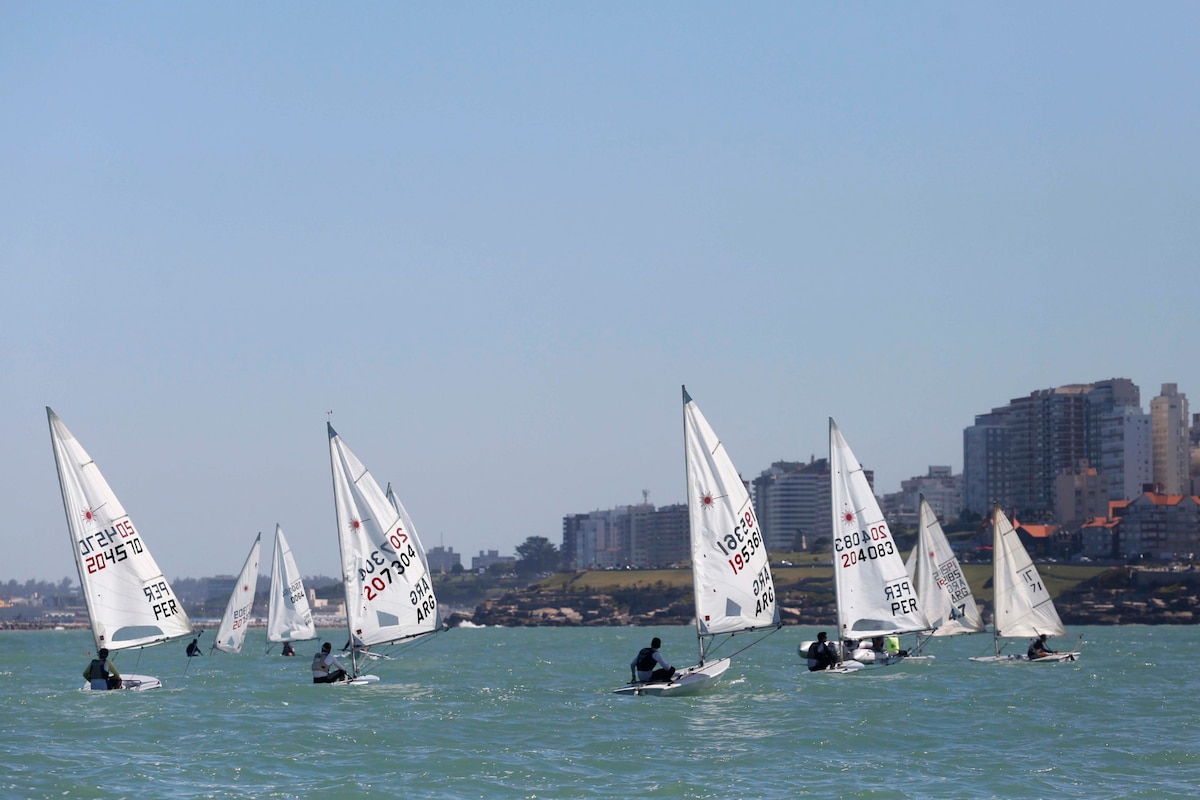
Surf Culture and Coastal Dynamics
Surf is arguably the most popular discipline along the local coast. The varied geography of the beaches ensures that whether you are a beginner or a professional, you will find a wave that challenges your technique. Schools operate year-round, offering wetsuits and surfboards to anyone daring enough to brave the Atlantic temperatures.
Beyond traditional surfing, stand up paddle (SUP) has seen a massive surge in popularity. This sport is accessible to all ages and provides a unique vantage point of the urban horizon. By using a long board and a single paddle, enthusiasts can glide effortlessly through the waters near the Torreón del Monje and Varese.
Nautical Activity Metrics and Comparison
| Activity Category | Primary Skill Level | Best Location |
|---|---|---|
| Surf | All Levels | Playa Grande |
| Yachting | Intermediate/Pro | Club Náutico Port |
| Diving | Certified/Novice | Cristo Rey Park |
| Kayaking | Novice | Laguna de los Padres |
Background and Hidden Underwater Treasures
One of the most compelling aspects of the city is what lies beneath the surface. The Cristo Rey underwater park, located three miles from the coast near Punta Mogotes, serves as a unique sanctuary for divers. Here, the ships Cristo Rey, Kronomether, and Simbad have been deliberately sunk, creating artificial reefs that teem with marine life. 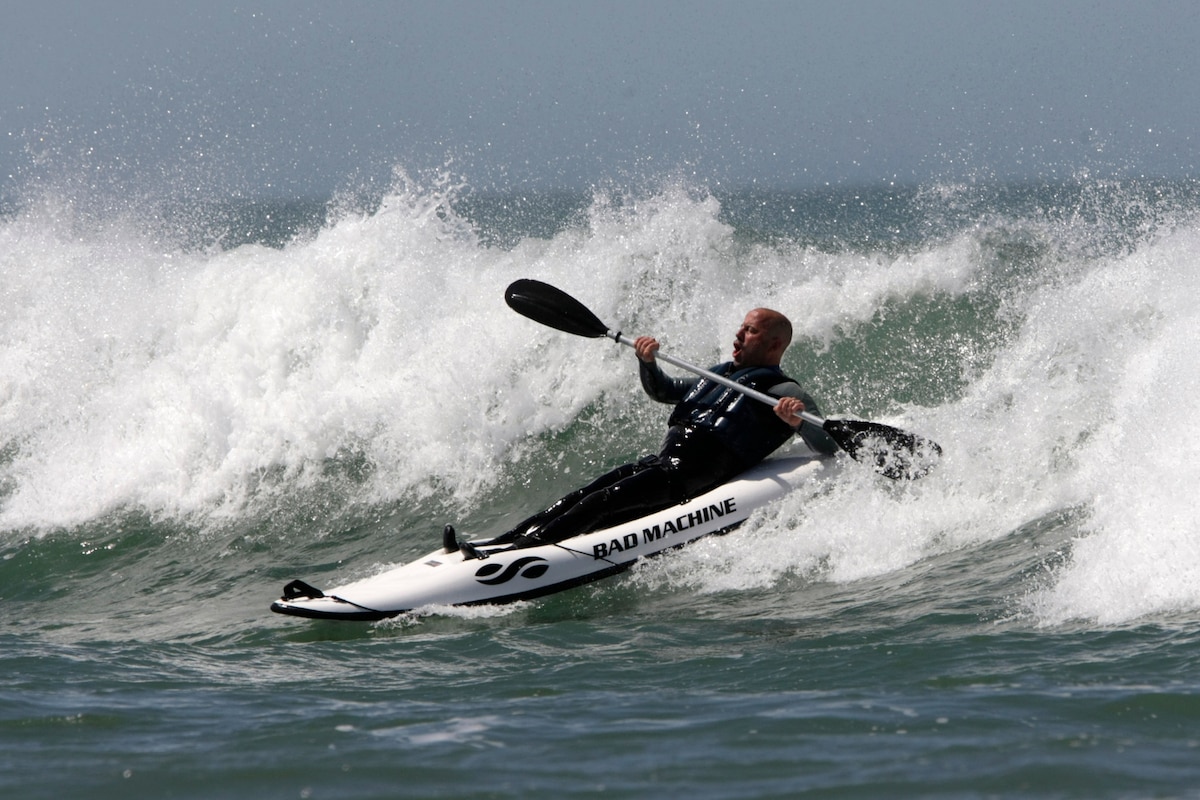
By the numbers, this is the only major submarine park in the province of Buenos Aires. It represents a significant investment in both environmental conservation and extreme sports tourism. With over five dedicated diving schools in the area, the city has created a safe, regulated pipeline for citizens to earn their certifications. This is an essential visit for anyone interested in marine archaeology or advanced aquatic exploration.
For those interested in how these local efforts stack up on a global scale, Forbes’ analysis of sports tourism trends suggests that cities with year-round infrastructure like Mar del Plata are significantly more resilient to economic downturns. Furthermore, check out our guide on the top extreme sports destinations to see how this city compares to international hubs. The commitment to maintaining public access to these facilities, as noted by the Wikipedia entry on Argentine coastal culture, ensures the city retains its crown as the nautical capital.
People Also Ask
Why is Mar del Plata considered the nautical capital?
The city holds this title due to its 47 kilometers of diverse coastline, historic clubs founded in 1925, and a year-round operational capacity for sports ranging from surfing to yachting.
Can beginners learn to surf in Mar del Plata?
Yes, numerous schools at beaches like Playa Grande offer professional lessons, equipment rentals, and specialized training for beginners throughout all four seasons.
What is the Cristo Rey park?
The Cristo Rey park is the only submarine park in the province of Buenos Aires, featuring three sunken ships that provide a unique environment for recreational and professional diving.
Is fishing popular in the city?
Fishing is a central activity in the region, with options for both shore fishing and organized boat trips that head out into deep waters for a full-day experience.
Final Thoughts
Mar del Plata continues to solidify its reputation as a premier destination for those who find their peace on the water. By bridging the gap between historical tradition and modern adventure sports, the city remains at the forefront of the nautical world. If you are seeking a destination that offers movement, challenge, and an intimate connection with the ocean, then Mar del Plata es la capital nacional de los deportes náuticos is a mandatory addition to your travel calendar. Whether you stay for a week or a lifetime, the Atlantic calls to you to dive in.
More Like This
For more updates, check out our latest entertainment and sports news.