Key Takeaways
| Current Status: Six-month post-surgery MRI shows no signs of tumor recurrence. |
| The Diagnosis: A 2.6-centimeter grade 2 oligodendroglioma was removed from her frontal lobe. |
| Early Detection: The mass was incidentally discovered during an elective $1,200 to $4,000 Prenuvo scan. |
| Current Complication: While free of tumors, Philipps is currently recovering from a painful sinus infection. |
| Treatment Plan: No radiation or chemotherapy is required, with standard monitoring via periodic scans. |
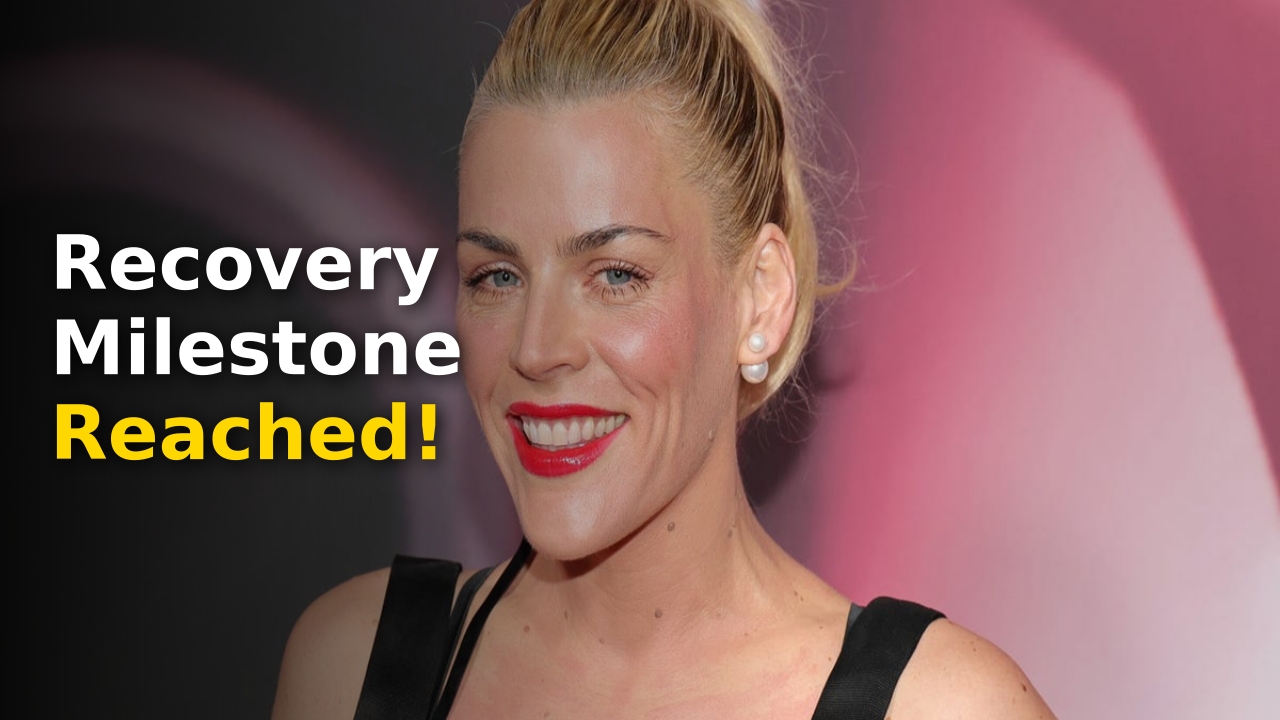
You might think you know everything about your health, but a recent update regarding the **Busy Philipps brain tumor** diagnosis proves that listening to your body can save your life. The 47-year-old actress and advocate took to social media to share the incredible milestone of her six-month post-operative MRI. While the results brought immense relief to her family and millions of fans, they also highlighted the unexpected realities of neurological recovery.
The “Cougar Town” and “Girls5eva” star has never been one to shy away from radical transparency. In her latest video update, she revealed that her brain is officially clear of any tumor recurrence. However, in classic candid fashion, she noted that the imaging did pick up a severe, painful sinus infection that has been plaguing her wellness journey.
For those following her medical timeline, this update marks a major victory in a battle that began silently in early 2026. The journey from an incidental finding on a preventative screening to a grueling five-hour neurosurgery has captivated the public. It has also sparked intense nationwide discussions about preventative healthcare, clinical diagnostics, and wellness accessibility.
Understanding the Busy Philipps Brain Tumor Pathology
To truly grasp the gravity of this medical update, you must understand the exact nature of the lesion discovered in her skull. Neurosurgeons identified the 2.6-centimeter mass as a grade 2 oligodendroglioma. This particular type of primary central nervous system tumor originates in the oligodendrocytes, which are the supportive cells of the brain and spinal cord.
According to clinical data from the National Cancer Institute, grade 2 oligodendrogliomas are classified as low-grade tumors. They are characterized by slow growth and can remain asymptomatic for several years. Because of their slow progression, they are often discovered entirely by accident during imaging for unrelated symptoms like migraines or minor head trauma.
In the case of the **Busy Philipps brain tumor**, the mass was located in her frontal lobe. The frontal lobe is responsible for voluntary movement, expressive language, and high-level executive functions. Had the tumor continued to grow undetected, it could have eventually pressed against critical neurological pathways, leading to severe cognitive decline or physical impairment.
Dr. John Golfinos, the leading neurosurgeon who performed the procedure, emphasized that early detection was the saving grace. If the tumor had grown to double or triple its size, the clinical outcomes would have been significantly more complex. Philipps was able to address the situation proactively before experiencing the classic symptoms of a large intracranial mass.

The Science Behind Oligodendroglioma Development
While the exact causes of oligodendrogliomas remain largely mysterious to modern science, certain risk factors have been identified. Exposure to therapeutic radiation in childhood and specific inherited genetic mutations are occasionally linked to these growths. However, the vast majority of cases occur sporadically without any clear environmental or behavioral triggers.
Statistically, over 60 percent of individuals diagnosed with this specific tumor type present with sudden seizures as their primary symptom. The pressure of the expanding tumor irritates the surrounding brain tissue, disrupting normal electrical activity. The fact that Philipps avoided this terrifying clinical milestone highlights the power of proactive imaging.
Following a successful five-hour surgery on March 2, neuropathologists conducted a comprehensive biopsy of the resected tissue. The pathology report confirmed the low-grade nature of the tumor, which dictated her post-operative treatment protocol. Because the margins were clean and the cells were slow-growing, her medical team decided against aggressive interventions like chemotherapy or radiation.
Instead, her recovery strategy focuses entirely on active surveillance. This involves undergoing regular MRI scans to monitor her brain for any cellular changes or signs of early recurrence. While active surveillance avoids the debilitating side effects of oncology drugs, it requires a high level of patient discipline and emotional resilience.
Clinical Statistics of Low-Grade Gliomas
Understanding the clinical reality of low-grade brain tumors helps demystify the journey that patients like Philipps undergo. The statistical landscape of oligodendrogliomas reveals a highly manageable but serious condition that requires long-term vigilance.
| Clinical Parameter | Statistical Overview | Clinical Significance |
|---|---|---|
| Average Tumor Size at Discovery | 2.0 to 4.0 centimeters | Often asymptomatic until reaching larger thresholds. |
| Prevalence of Seizures | ~60% of diagnosed patients | The most common primary indicator of a cerebral mass. |
| Standard Recovery Timeline | 3 to 6 months post-surgery | The period required for brain tissue healing and cognitive rest. |
| Recurrence Monitoring Frequency | Every 3 to 6 months initially | Ensures any new cellular anomalies are addressed instantly. |
These clinical metrics underscore why the six-month mark is such a crucial milestone for Philipps. Passing this threshold with an entirely clear MRI scan greatly lowers the statistical probability of a rapid recurrence. It allows the patient to shift their focus from acute medical survival back to long-term health, wellness, and career goals.
However, as Philipps openly discussed, the physical body is a complex web of interconnected systems. The discovery of her chronic sinus infection during a high-resolution brain scan reminds us that healing is rarely a linear path. Despite the discomfort, she maintained an incredibly positive outlook, jokingly preferring a sinus infection over a return of her brain tumor.
For more detailed updates on public figures navigating complex medical diagnoses, you can explore the latest exclusive celebrity health updates available on our platform. Staying informed about these journeys helps normalize the daily struggles of physical rehabilitation and wellness maintenance.
The Proactive Screening Debate
The story of how Philipps discovered her tumor has ignited a massive debate across the global healthcare sector. In February 2026, she underwent a preventative full-body MRI scan through Prenuvo. This boutique medical screening service, which ranges in price from $1,200 to $4,000, is marketed as a proactive way to detect early-stage cancers, aneurysms, and silent organ diseases.
Because these elective scans are not covered by standard health insurance policies, they have become a luxury wellness trend among affluent communities. Prominent public figures have praised the technology for offering peace of mind and detecting life-threatening conditions before symptoms arise. Philipps herself credited the scan with saving her from potential neurological catastrophe.
However, the broader medical community remains deeply divided on the widespread adoption of full-body MRIs. Many traditional physicians and radiological societies warn that scanning healthy, asymptomatic individuals can lead to a phenomenon known as over-diagnosis. These high-resolution images frequently detect benign anatomical variations, harmless cysts, or non-progressive lesions.
When these harmless anomalies are found, they often trigger a cascade of unnecessary medical interventions. Patients may undergo anxiety-inducing follow-up scans, painful biopsies, and even invasive surgeries that carry inherent risks. Finding the perfect balance between proactive screening and avoiding unnecessary medical stress remains a complex challenge for modern clinical practice.
Socioeconomic Realities of Boutique Medicine
Beyond the clinical arguments, the financial barrier associated with services like Prenuvo highlights the stark inequalities within the American healthcare system. For the average working-class individual, spending several thousand dollars on an elective scan is completely out of reach. While celebrities can easily access these advanced diagnostics, millions of ordinary citizens must rely solely on reactive medical care.
This disparity has led wellness advocates to call for systemic reforms that would make early-screening technologies more accessible to vulnerable populations. If early detection is truly the key to reducing long-term treatment costs and improving survival rates, then democratizing these diagnostics should be a public health priority. The conversational space surrounding the **Busy Philipps brain tumor** is helping to push these critical socioeconomic issues into the mainstream media spotlight.
For those interested in reading more about the intersection of wealth, wellness, and medical access, check out our comprehensive guide on lifestyle wellness tips and industry updates. Understanding how to advocate for your own health within a complex system is a crucial skill for every modern patient.
Philipps has consistently used her platform to empower others to trust their instincts when navigating their health journeys. She firmly believes that possessing detailed information about your own body is a form of true empowerment, rather than something to fear. Her openness serves as an inspiring blueprint for anyone facing unexpected health challenges.
People Also Ask
What is the latest update on Busy Philipps brain tumor recovery?
In September 2026, Busy Philipps shared that her six-month post-operative MRI showed absolutely no signs of tumor recurrence. However, the scan did reveal a highly painful sinus infection that she is currently treating.
How was Busy Philipps brain tumor originally discovered?
The tumor was discovered incidentally in February 2026 during a proactive, elective Prenuvo full-body MRI scan. A follow-up neurological MRI confirmed the presence of a 2.6-centimeter mass in her frontal lobe.
What type of brain tumor did Busy Philipps have?
She was diagnosed with a grade 2 oligodendroglioma, which is a slow-growing, low-grade primary brain tumor that starts in the brain’s supportive glial cells.
Did Busy Philipps require chemotherapy or radiation?
No, her post-operative treatment plan does not include chemotherapy or radiation therapy. Instead, she is being monitored through routine active surveillance and regular MRI scans.
Who performed Busy Philipps brain surgery?
The five-hour craniotomy was successfully performed on March 2, 2026, by her lead neurosurgeon, Dr. John Golfinos, who praised the early detection of the mass.
The Path Forward After Busy Philipps Brain Tumor Surgery
As she moves past the critical six-month recovery milestone, Philipps is focusing heavily on physical restoration and emotional healing. Undergoing major cranial surgery takes an immense toll on the nervous system, requiring months of cognitive rest, controlled physical therapy, and lifestyle adjustments. She has been incredibly open about the neurological fatigue and emotional processing that accompanies such a life-altering event.
Her journey has also spotlighted the importance of a robust emotional support network. From her close Hollywood friends to her dedicated family, having a reliable circle of care is essential for any patient navigating a major illness. Philipps has expressed deep gratitude for the outpouring of love and support she has received from fans around the globe.
For more inspiring stories of resilience, triumph, and advocacy in the entertainment industry, you can read the latest entertainment news on our platform. These narratives remind us of the shared humanity that connects us all, regardless of fame or status.
To keep up with the star’s ongoing professional endeavors, fans can visit Busy Philipps’ official filmography to explore her legendary career. Her determination to return to the screen and continue her creative passions serves as a testament to her unbreakable spirit.
The resolution of the **Busy Philipps brain tumor** scare is a powerful reminder of the miracle of modern medicine and the importance of self-advocacy. By sharing her private medical battles so publicly, Philipps has demystified a terrifying diagnosis. She has given hope to thousands of individuals facing similar neurological challenges across the country.
More Like This
For more updates, check out our latest entertainment and sports news.