Key Takeaways
| Guo Degang faces official investigation for altering revolutionary song lyrics. |
| The performance in Wuhan sparked complaints regarding disrespect toward historical culture. |
| Authorities cite unapproved script deviations as a potential violation of performance law. |
| The incident highlights strict Chinese regulations governing public artistic expression. |
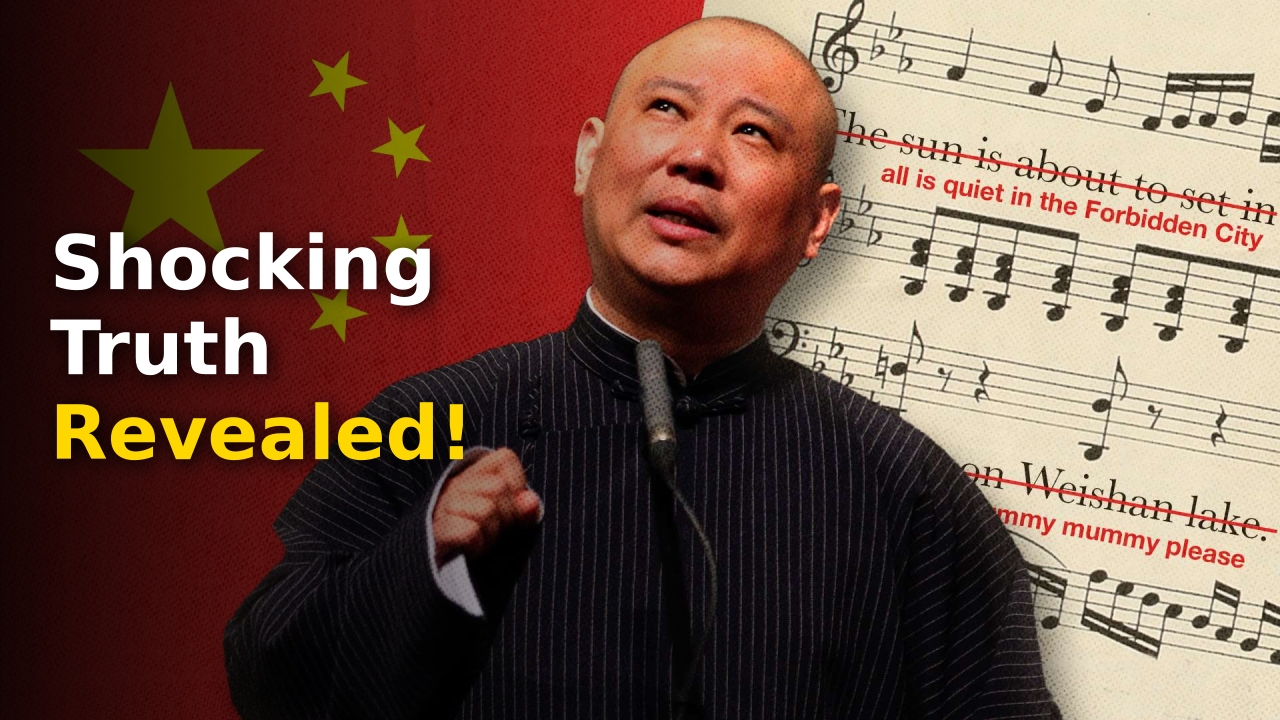
Brickbat: Seeing Red is the center of a brewing controversy as Chinese comedian Guo Degang finds himself under the microscope of state authorities. You may find it difficult to believe that a simple lyrical swap during a live show could trigger a formal government inquiry, but in the current climate of artistic regulation in China, even comedy is subject to intense scrutiny. When the performer took the stage in Wuhan to sing the revolutionary classic ‘Playing My Beloved Pipa’, he likely did not anticipate that his lighthearted improvisations would lead to a confrontation with the Culture and Tourism Bureau.
The comedian’s decision to weave references to the Forbidden City, Buddha, and his own mother into the melody of a protected ‘red song’ has ignited a firestorm of debate. While many fans appreciate the spontaneity of live performance, critics view these alterations as a direct affront to historical memory. As this story continues to develop, it raises fundamental questions about the intersection of creative freedom and state-mandated cultural preservation in modern society. We dive deep into the repercussions of this incident and what it means for the future of entertainment within the region.
Brickbat: Seeing Red and the Limits of Performance
In the world of high-stakes comedy, Guo Degang has long been a household name, but his latest stunt has pushed boundaries to their absolute limit. The term Brickbat: Seeing Red serves as a reminder of how quickly public opinion can turn when national symbols are perceived to be under fire. The act of altering revolutionary anthems is rarely treated as a trivial matter by officials, and this case is no exception. 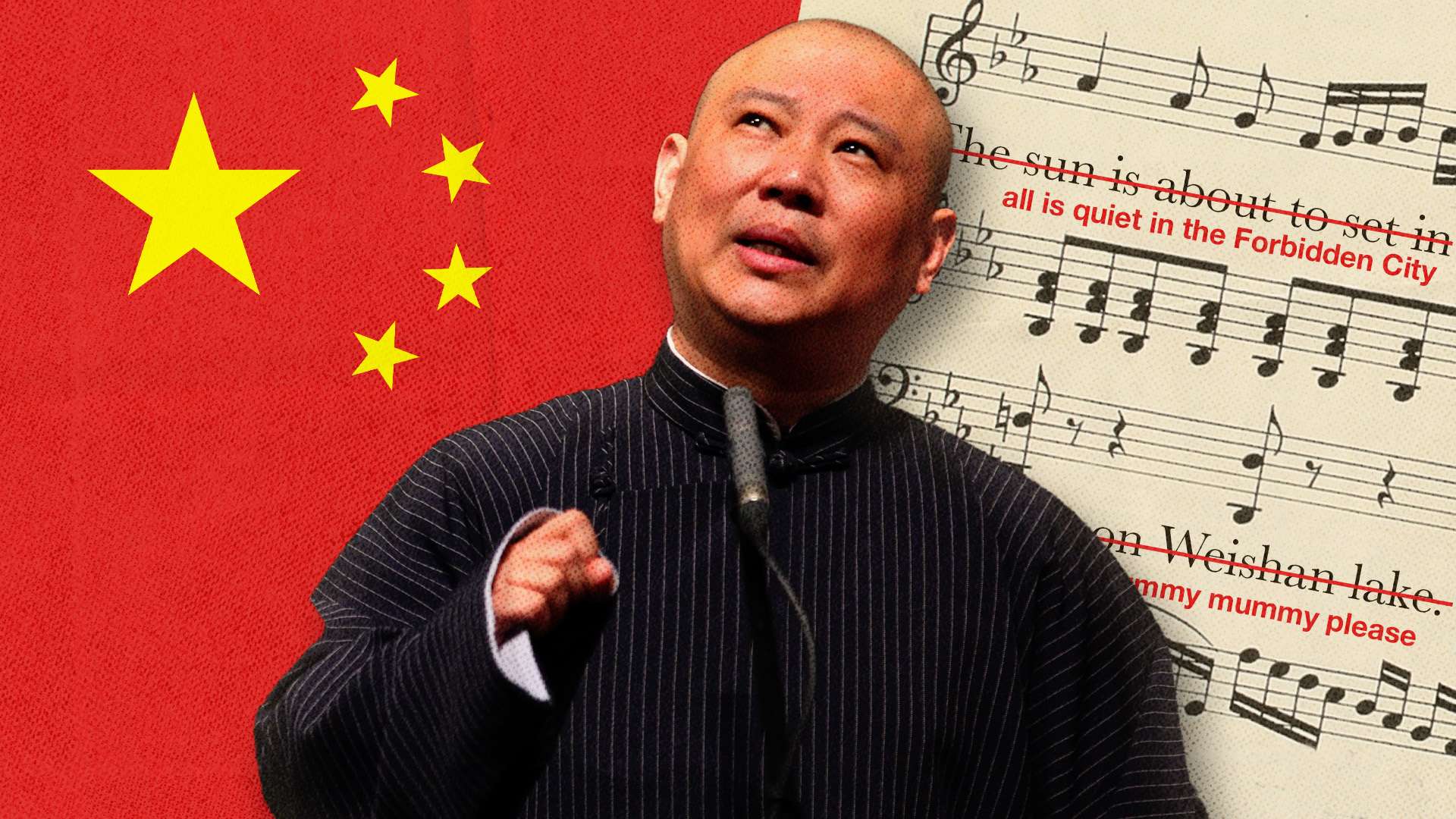 The incident began when an audience member formally complained that the performance lacked the necessary reverence for a piece of music deeply tied to China’s revolutionary history.
Regulations governing public performances in China are notoriously specific. Every word uttered on stage during a major event must generally align with materials submitted to and approved by the local culture bureaus. By veering off-script to introduce personal or religious themes—specifically mentioning Buddha—the comedian effectively stepped into a regulatory minefield. The Wuhan Culture and Tourism Bureau has confirmed that the modifications were not part of the pre-approved show list, a technicality that provides the legal framework for the ongoing investigation.
Artists working in this environment are often forced to walk a tightrope between maintaining the spontaneity that makes a performance successful and avoiding the wrath of regulatory bodies. The case of Guo Degang illustrates the volatility of this balance. His popularity makes him a significant target for public discourse, and the scrutiny he faces suggests a broader trend of tightening control over how historical narratives are presented. You can find more breaking entertainment news regarding this investigation as it unfolds.
The Cultural Weight of ‘Red Songs’
Revolutionary music holds a sacred place in China’s cultural landscape. These songs, often referred to as ‘red songs,’ are intended to evoke patriotism and respect for the historical trajectory of the nation. When a popular comedian decides to replace these lyrics with personal musings or religious iconography, the backlash is often swift and uncompromising. Critics argue that such actions diminish the gravity of the sacrifices made during the revolutionary period, while defenders suggest that comedy should inherently challenge the status quo.
Regulatory Impact by the Numbers
The regulatory framework surrounding artistic performance in China is vast and multifaceted. Understanding the impact of the investigation requires looking at the specific metrics of state oversight. The table below outlines the key components of the ongoing probe into the Guo Degang incident.
| Category | Focus Area | Regulatory Stance |
|---|---|---|
| Performance Approval | Script Compliance | Mandatory pre-submission |
| Public Sensitivity | Historical Song Integrity | Zero tolerance for disrespect |
| Legal Oversight | Culture & Tourism Bureau | Active investigation underway |
| Artist Liability | Contractual Obligations | Risk of performance bans |
The Context of Artistic Expression
When you consider the evolution of performance art in Asia, it is essential to recognize the role of historical context. Historical archives maintained by institutions like Wikipedia’s biography of Guo Degang provide a window into the comedian’s long and storied career. He has frequently used satire to comment on social norms, but this recent incident highlights the fragility of that career path. In many instances, the divide between artistic critique and prohibited behavior is determined entirely by the interpretation of local officials.
The expert take on this situation is clear: the state is increasingly viewing ‘red culture’ as a protected sphere. Whether this investigation results in a formal penalty or serves as a warning for future performers remains to be seen. Industry experts noted that similar recent cultural crackdowns have successfully dampened the appetite for bold, improvisational content in state-managed venues. For more analysis on the intersection of media and law, you can visit Bright Celebrity for daily updates.
Why Historical Songs Matter
- They serve as foundational elements for national identity.
- They are protected under strict public order statutes.
- Modifying them is often viewed as a form of cultural vandalism.
- They provide a standardized metric for measuring performer loyalty.
People Also Ask
What happened with the Guo Degang performance in Wuhan?
Guo Degang changed the lyrics of a revolutionary song during a live show in Wuhan. His modifications included references to Buddha and the Forbidden City, which the local authorities deemed unapproved and disrespectful.
Why is the Culture and Tourism Bureau investigating this event?
The Bureau is investigating because the performance deviated from the pre-approved script submitted for the event. This constitutes a potential violation of regulations concerning public performance and cultural preservation.
How does this investigation affect Chinese comedy trends?
The investigation is expected to lead to stricter self-censorship among Chinese comedians. Performers will likely be more cautious about modifying any content that touches upon national history or protected cultural symbols.
Is Guo Degang facing a career ban?
While the investigation is active, there has been no official word on a permanent career ban. However, potential penalties range from public reprimands and fines to temporary suspensions from performing in government-approved venues.
Final Thoughts on Brickbat: Seeing Red
The situation surrounding Brickbat: Seeing Red is a stark reminder of the complexities inherent in modern Chinese entertainment. For Guo Degang, this investigation serves as a pivotal moment that will likely define the parameters of his future performances. Whether or not he survives this controversy professionally will depend on his ability to navigate the shifting demands of the Culture and Tourism Bureau. Ultimately, the industry must grapple with the fact that in a state where performance is a public utility, the artistic license of an individual will always be subordinate to the collective narrative of the nation. As we continue to monitor this case, one thing is clear: the spotlight on creative expression has never been brighter, nor more restrictive.
More Like This
For more updates, check out our latest entertainment and sports news.