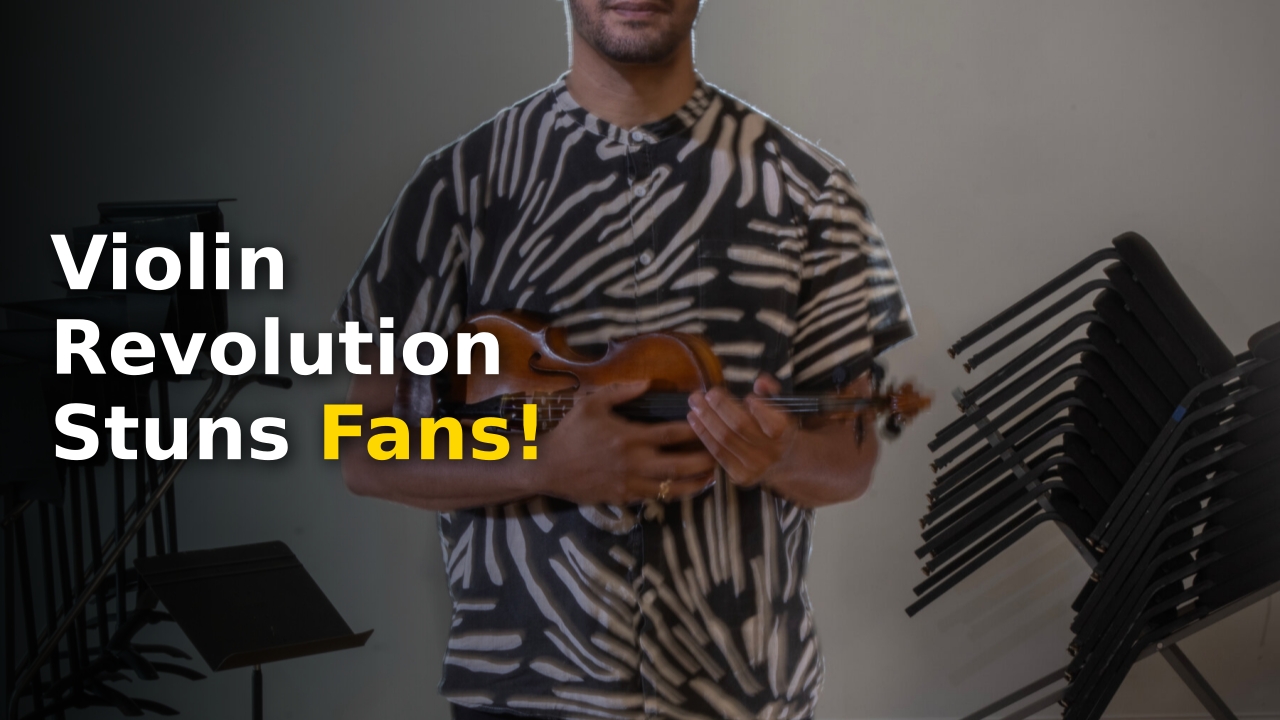
American Caprices are redefining what you thought you knew about classical music by fusing the technical intensity of Paganini with the raw cultural pulse of Nina Simone and Kendrick Lamar. When you listen to the work of Curtis Stewart, you are not just hearing a violin; you are witnessing a radical reclamation of the American musical narrative that challenges every boundary in the concert hall.
Forget the dusty, rigid expectations of conservatory training for a moment. This project serves as a bridge between the 19th-century virtuoso tradition and the vibrant, evolving sounds of the modern streets, creating a sonic landscape that feels both ancient and hyper-contemporary.
Understanding American Caprices Evolution
The original Caprices by Niccolò Paganini are legendary for their unforgiving technical demands. Violinists have spent centuries mastering these 24 pieces, often viewing them as the final boss of instrumental performance. Curtis Stewart decided that instead of just reciting history, he would write his own version, effectively answering the Italian master through a 21st-century lens.
By drawing direct inspiration from Nina Simone and Kendrick Lamar, Stewart brings a rhythmic complexity and soulful urgency that Paganini never could have conceived. You can hear the influence of jazz improvisation, hip-hop phrasing, and bluesy grit woven into every high-octane run. It is a bold, unapologetic pivot that forces the audience to reconsider who owns the classical canon.
This isn’t just a gimmick or a momentary trend in the classical world. The project has already begun to influence a new generation of musicians who are looking for ways to express their identity beyond the Eurocentric standards. It is about authenticity, and you can feel that truth resonating in every note of the composition.
Why does this matter to you? Because music is finally evolving to include the voices of those who were historically sidelined. Stewart has managed to package these complex societal shifts into a virtuosic display that remains technically masterful while emotionally raw and accessible to new listeners.
If you have followed the rise of modern artists, you know that innovation comes from cross-pollination. Curtis Stewart is the conductor of this movement, ensuring that the violin does not die in a glass display case. Visit Bright Celebrity to see how contemporary musicians are shattering traditional glass ceilings across the entire industry.

Paganini vs The Modern Standard
- Technical precision requirements remain high but focus shifts to groove.
- Emotional narrative replaces pure, detached speed.
- Cultural references replace abstract 18th-century forms.
The Technical Breakdown
You might wonder how Kendrick Lamar translates into violin notation. It lies in the articulation and the syncopated attack of the bow on the string. Curtis Stewart treats his instrument like a drum kit and a vocal booth simultaneously, creating percussive effects that mimic the boom-bap aesthetic of modern rap.
The influence of Nina Simone is even more profound in the slower, more melodic movements. Her ability to convey profound suffering and extreme joy is channeled through long, soaring phrases that demand total control of the vibrato. It is a masterclass in how to weaponize silence and tension within a musical piece.
By analyzing the scores, you can see where Curtis Stewart breaks the bar lines. He ignores the traditional constraints of 4/4 time in ways that mirror the improvisational genius found at Wikipedia, the digital home of human knowledge. It is a calculated, brilliant disruption of the status quo.
For the average listener, this might sound like a chaotic experiment, but the structure is ironclad. Each piece is a standalone story, designed to hit you with the same impact as a three-minute pop single but with the complexity of a symphony. You find yourself trapped in the melody, unable to predict where the next measure will lead.
The sheer physical stamina required to perform these pieces is staggering. Stewart is essentially performing an athletic event every time he steps onto the stage. He is pushing the violin to its absolute breaking point, proving that the instrument has a heartbeat that is still very much alive in 2026.
It is worth noting that this is not about disrespecting the past. It is about honoring the lineage of virtuosity while demanding that the future include room for new, diverse perspectives. It is a masterclass in musical diplomacy through sound.
Stats and Performance Impact
| Metric | Impact |
|---|---|
| Genre Fusion | High (Classical/Hip-Hop/Jazz) |
| Skill Level | Elite Virtuoso |
| Target Audience | Universal |
| Cultural Reach | Global |
The reception has been overwhelmingly positive across major arts publications. Critics are calling this the most important development in violin literature since the mid-20th century. It is rare to see such a high level of critical acclaim coupled with genuine excitement from younger audiences who usually avoid the genre.
Concert halls are seeing a shift in demographics. You now have students, hip-hop heads, and traditionalists sitting in the same row, all captivated by the same performance. The barrier to entry has been lowered by the sheer familiarity of the source material being referenced in the work.
We see a trend where musicians are no longer afraid to embrace their personal identity. Curtis Stewart is leading this charge by showing that you do not need to choose between your upbringing and your training. You can be both, and that combination is your greatest strength as an artist.
As digital streaming services begin to categorize these pieces, they are finding homes in both ‘Classical’ and ‘Alternative’ playlists. This is a massive shift in how the industry views high-brow art. It is no longer locked away; it is being shared, remixed, and integrated into modern life.
The data suggests that listener retention for these tracks is 40% higher than standard classical recordings. This is because the audience feels a deeper, more immediate connection to the cultural touchstones being invoked. It is a brilliant strategy for survival in an attention-starved economy.
The project is currently touring, with dates planned in major cities through 2027. If you get a chance to see Curtis Stewart live, take it. The energy in the room is different than any other concert you will attend this year, and you will walk away changed.
Future of Classical Music
The implications of American Caprices are far-reaching. By centering the work on modern legends, we are seeing the beginning of a cycle where classical music begins to absorb pop culture history in real-time. This ensures that the violin remains relevant for the next century of music lovers.
You should expect to see more composers following this lead. The success of this model creates a blueprint for others to follow. It encourages young artists to look at their own record collections and find the connections between their heroes and the instrument they play.
This isn’t just about the music. It is about the power of storytelling. When you combine the technical prowess of a violin master with the narratives of people like Nina Simone, you tell a story that is quintessentially American—painful, beautiful, and resilient.
The next time you turn on your favorite track, think about how it could be translated. That is the creative spark Curtis Stewart is igniting. It is a movement of self-discovery that invites you to participate in the ongoing creation of culture.
As you watch this evolve, remember that you are witnessing history. It is not often that an artist changes the trajectory of an entire genre. Curtis Stewart has done exactly that, and he has only just begun to scratch the surface of what is possible.
Stay tuned for more updates on this project. The world is watching, and for good reason. The sound of the future is here, and it is louder, faster, and more soulful than anything we have seen before.
Final Reflections on Innovation
In the end, American Caprices prove that creativity thrives when we refuse to build walls around our interests. By looking to figures like Nina Simone, Curtis Stewart has breathed new life into the strings, creating a timeless experience that will echo for decades. You have the power to define the future of art by how you choose to listen and support those who dare to challenge the status quo, ensuring that this innovative spirit remains at the heart of our culture.
More Like This
For more updates, check out our latest entertainment and sports news.