⚡ Key Takeaways
- Total viewership fell to 397,000, a significant 3% drop from the previous broadcast.
- The 18-49 demographic remained stagnant at a 0.06 rating, despite the overall decline.
- This episode marked the lowest Saturday night viewership tally for the brand since July 18.
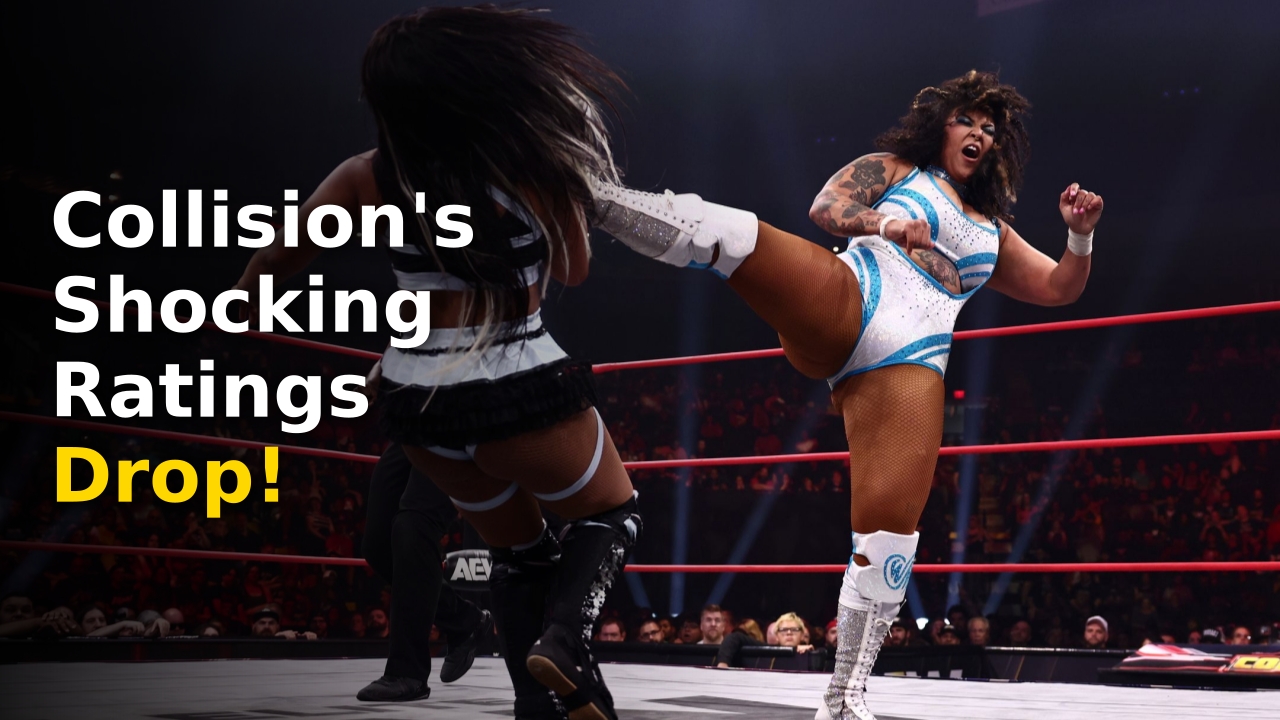
- Willow Nightingale headlined the program in a high-stakes Women’s World Championship defense.
- The show struggled to gain momentum despite featuring the prestigious Continental Challenge Cup matches.
You might think professional wrestling is currently experiencing a global golden age, but the latest **AEW Collision** data reveals a much more sobering reality for Tony Khan’s Saturday venture. As the brand battles for relevance in an increasingly crowded media landscape, the numbers are officially moving in the wrong direction for the second consecutive week. This dip raises serious questions about the long-term viability of high-budget wrestling content on traditional weekend television time slots.
The live broadcast from Reading, Pennsylvania, was expected to be a celebratory affair featuring the prestigious Continental Challenge Cup. However, the energy in the arena did not translate to the domestic television audience as fans tuned out in noticeable volumes. This trend suggests that even the most loyal wrestling enthusiasts are finding reasons to look elsewhere during the competitive Saturday night viewing window.
For a company that pridefully positions itself as the alternative to the sports entertainment status quo, these metrics serve as a cold wake-up call. The **AEW Collision** brand was once seen as a flagship for elite in-ring performance, but it now faces the daunting task of reclaiming its lost momentum. Understanding why the audience is eroding requires a deep dive into the specific data points and the broader competitive environment facing the promotion today.
AEW Collision Viewership Trends
The core of the issue lies in the total viewership count, which reached a disappointing 397,000 for the most recent Saturday live show. This figure represents a three percent decline from the prior week, continuing a downward trajectory that has industry analysts sounding the alarm bells. While a three percent shift might seem minor in isolation, the cumulative effect over multiple weeks suggests a systemic problem with audience retention.
The Reading, Pennsylvania event was notably the lowest-performing Saturday broadcast for the series since July 18, a milestone that no promotion wants to hit. Despite the decline, the show did manage to stay 19,000 viewers above its rolling 10-week average, providing a small silver lining in an otherwise cloudy report. This suggests that while the current numbers are low, the “floor” for the show’s audience remains relatively stable compared to the early summer months.
Demographic data provides another layer of complexity to the ratings story, as the 18-49 demo remained identical to the previous week with a 0.06 rating. This stability in the demo indicates that the core younger audience is staying put, while the older or more casual viewers are the ones departing. In the modern television era, the 18-49 demographic is the primary currency for advertisers and network executives at Warner Bros. Discovery.
Expert Take: When we look at the 18-49 demo holding steady while total viewers drop, we see a clear demographic shift in the wrestling audience. Older viewers are often more susceptible to the allure of competing live sports or local news, while the younger ‘hardcore’ fans remain glued to the product regardless of the time slot. However, for AEW Collision to grow, it must find a way to bridge this gap and appeal to the casual 50+ demographic that still drives significant volume for cable networks.

Data Behind AEW Collision Ratings
Analyzing the performance of professional wrestling requires looking beyond a single week and examining the broader context of the television calendar. The show featured two Continental Challenge Cup matches and was headlined by a major championship defense featuring Willow Nightingale. Despite the star power and the stakes involved, the needle failed to move in a positive direction for the television audience.
The inclusion of a six-minute overrun was a strategic move designed to capture viewers lingering after the scheduled broadcast time ended. Overruns are frequently used to bolster final ratings numbers, yet in this instance, the extra time was not enough to offset the earlier losses. It highlights a growing trend where the ‘hook’ of the main event is not always enough to keep fans through the entire two-hour duration.
To better understand the recent volatility, we must compare the latest figures with the historical data points provided by internal tracking and industry reports. The consistency of the 18-49 rating suggests a plateau, which is both a blessing and a curse for a growing promotion. A plateau implies a dedicated fan base but also hints at a lack of new fan acquisition in recent months.
| Broadcast Date | Total Viewers | 18-49 Demo | Growth % |
|---|---|---|---|
| July 18 | 380,000 | 0.05 | Baseline |
| Prior Week | 409,000 | 0.06 | -2% |
| Current Week | 397,000 | 0.06 | -3% |
Comparing these metrics against other programs on the All Elite Wrestling roster shows that Collision occupies a unique and difficult niche. While Dynamite continues to be the flagship on Wednesday nights, Collision is forced to navigate the treacherous waters of weekend entertainment. The decline for the second straight week indicates that the novelty of the Saturday show may be wearing off for some viewers.
Challenges Facing Saturday Night Wrestling
Saturday night has long been considered the ‘death slot’ for many television genres, and professional wrestling is no exception to this rule. Historically, major promotions have avoided this window because it coincides with the times when their primary audience is most active offline. From social gatherings to live sporting events, the competition for attention is exponentially higher than on a standard weeknight.
College football and professional sports like the UFC often dominate the airwaves on Saturday nights, pulling away the valuable young male demographic. Even without a direct pay-per-view conflict, the general atmosphere of a Saturday night promotes ‘destination viewing’ rather than casual channel surfing. This makes it difficult for a show like **AEW Collision** to pick up new viewers who aren’t already committed fans of the product.
The rise of streaming platforms has also fundamentally changed how people consume wrestling content, often choosing to watch highlights on social media rather than live. If a fan knows they can see the best spots from the Continental Challenge Cup on YouTube or Twitter within minutes, the incentive to watch live diminishes. This digital fragmentation is a challenge that every media brand, including Bright Celebrity and major networks, must grapple with in 2024.
The Saturday Night Burnout Factor
- Fans are already consuming five or more hours of wrestling content per week before Collision even airs.
- The weekend time slot creates a scheduling conflict for families and social active viewers.
- Limited promotion for the Saturday show compared to the flagship Dynamite program affects reach.
- Live events are often competing with local attractions and other entertainment options.
By examining these factors, it becomes clear that the ratings dip isn’t necessarily a reflection of the quality in the ring. The matches featuring **Willow Nightingale** and the Continental Cup athletes were highly praised by those who did tune in. However, quality alone is rarely enough to overcome the massive structural hurdles of Saturday night cable television.

Strategic Shifts for AEW Collision
To reverse the current trend, Tony Khan and the AEW creative team may need to reconsider the structural identity of the Saturday show. Originally launched with a distinct ‘vibe’ and a separate roster, the lines between Collision and Dynamite have blurred significantly in recent months. This lack of a unique selling proposition can lead to ‘brand fatigue’ among fans who feel they can miss an episode without losing the thread of the main story.
The focus on the Continental Challenge Cup was a noble effort to bring sports-like legitimacy to the program, but it may have been too niche for the broader audience. Hardcore fans love the round-robin tournament style, but casual viewers often struggle to keep track of the points and the stakes involved. Streamlining the narratives could be the key to ensuring that **AEW Collision** returns to a growth phase in the coming quarter.
Another area for potential growth is the women’s division, which took center stage in the Reading, Pennsylvania main event. **Willow Nightingale** has proven to be a popular and charismatic champion who resonates with a wide variety of fans. Doubling down on these high-profile matchups could help the show carve out a specific identity that differs from the male-dominated storylines found elsewhere.
By The Numbers: If we analyze the 10-week rolling average, we see that AEW Collision typically fluctuates between 380,000 and 450,000 viewers. The fact that the latest show stayed within this range suggests that the ‘Core Audience’ is approximately 400,000 strong. The challenge for 2025 will be moving that ceiling toward the 500,000 mark, which would require a 25% increase in current reach—a massive undertaking in the current cable climate.
Frequently Asked Questions
Why are AEW Collision ratings down for two weeks?
The decline is likely due to a combination of heavy competition from other live events and a general seasonal dip in television viewership. Additionally, the Saturday night time slot remains one of the most difficult windows to maintain a consistent audience for pro wrestling content.
Who main evented the latest AEW Collision in Reading?
The main event featured AEW Women’s World Champion Willow Nightingale defending her title against Maya World. The match was part of a larger focus on the women’s division during the live broadcast from Pennsylvania.
What is the Continental Challenge Cup in AEW?
The Continental Challenge Cup is a prestigious tournament structure within AEW that emphasizes technical wrestling and competitive sportsmanship. It features a series of high-stakes matches designed to crown a dominant contender within the promotion’s rankings.
How does the 18-49 demo affect the future of the show?
The 18-49 demographic is the primary metric used by networks like Warner Bros. Discovery to sell advertising space. As long as this rating remains stable at 0.06 or higher, the show remains a valuable asset for the network despite fluctuations in total viewership.
The Future of AEW Collision
As we look ahead, the road for **AEW Collision** is paved with both significant challenges and untapped opportunities for brand expansion. The promotion must find a way to make the Saturday show ‘appointment viewing’ again, perhaps by introducing exclusive stipulations or massive guest stars. Without a significant shift in strategy, the danger of falling below the 350,000 viewer threshold becomes a very real possibility in the coming months.
Ultimately, the success of the brand will depend on how Tony Khan balances the needs of the hardcore wrestling fan with the requirements of a national television audience. The talent is clearly there, as evidenced by the stellar performances of the roster in Reading, Pennsylvania. If the creative direction can match the intensity of the in-ring work, there is no reason why the ratings cannot rebound in the very near future.
Keep a close eye on the upcoming episodes, as the fallout from the Continental Challenge and the ongoing title reigns will dictate the narrative for the rest of the year. Whether **AEW Collision** can reclaim its spot as a Saturday night powerhouse remains to be seen, but the stakes have never been higher for the elite promotion. For now, the focus remains on stabilization and finding the next big hook to bring the fans back to their screens.
More Like This
For more updates, check out our latest entertainment and sports news.