
⚡ Key Takeaways
- Warner Bros. originally planned to delete the finished film for a $30 million tax write-off.
- The movie serves as a direct critique of corporate greed, mirroring real-world industry monopolies.
- Wile E. Coyote functions as an anti-capitalist hero suing the very entity that keeps him in a cycle of failure.
- The film’s theatrical release was only achieved through unprecedented public outcry and industry pressure.
Coyote vs. Acme is the most important film of the year, not because of its budget, but because it stands as a defiant middle finger to the corporate machine that tried to bury it alive. If you have ever felt like a tiny cog struggling against the grinding gears of a faceless conglomerate, you need to see this movie immediately.
For three grueling years, this project sat in the dark, held hostage by studio executives who viewed a finished, artistic vision as nothing more than a line item for a tax write-down. The journey from a “scrapped asset” to a nationwide theatrical release is a victory for art over spreadsheet accounting, and your ticket purchase acts as a vote for a future where creativity still matters more than quarterly earnings.
The War Behind Coyote vs. Acme
The saga of this film reveals the precarious state of modern Hollywood, where Coyote vs. Acme almost vanished into the “corporate void” forever. When news broke that Warner Bros. intended to shelve the completed movie to claim a $30 million tax benefit, the reaction was instantaneous and explosive across the entire entertainment landscape.
Agents, showrunners, and legendary filmmakers were reportedly horrified by the decision, viewing it as an existential threat to the industry. The outrage didn’t just stay on Twitter; it manifested in the cancellation of high-stakes meetings and a vocal movement that shamed the studio into reconsidering its stance. This wasn’t just about one movie; it was a battle for the soul of intellectual property.
Directed by Dave Green and penned by Samy Burch, the resulting film is remarkably self-aware. By leaning into the absurdity of Wile E. Coyote’s endless legal battle against the Acme corporation, the film mirrors the very tension that almost killed it. You are watching a meta-commentary on the behavior of the people who attempted to prevent you from ever seeing it.
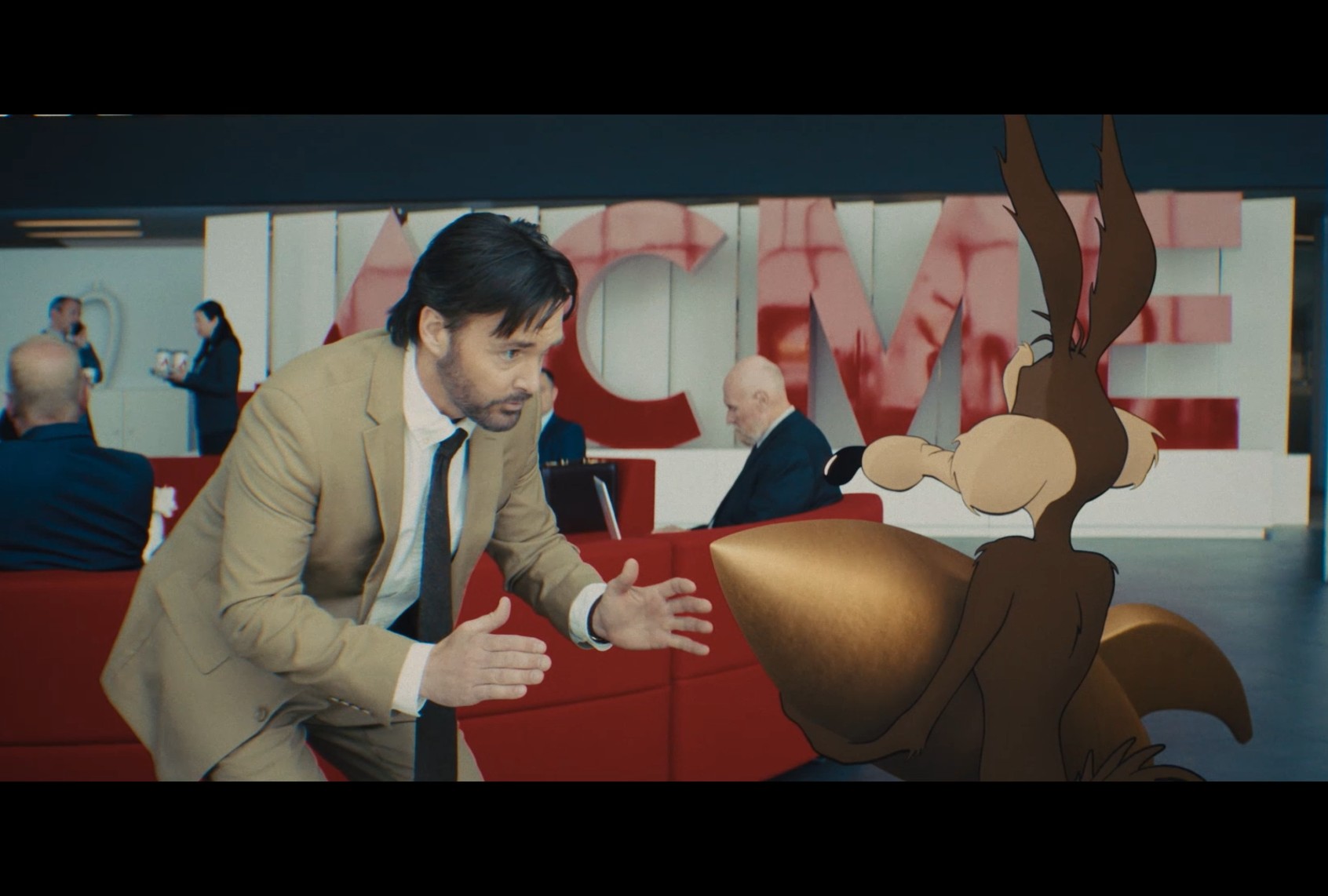
The script is not just a comedy; it is a scathing indictment of monopolistic practices and the suppression of dissenting voices. As the story unfolds, the parallels between the fictional Acme corporation and real-world media giants become impossible to ignore. Every time Wile E. Coyote gets blown up, it feels less like a cartoon gag and more like a metaphor for the average worker’s experience under unchecked late-stage capitalism.
The Power of Public Advocacy
Why does your presence in the theater matter? Because in an era where data-driven decisions govern every release, the only way to prove that the public demands intelligent, original content is through physical turnout. If this film fails at the box office, studios will justify their impulse to bury risky projects rather than nurturing them. Supporting the film ensures that your voice is heard louder than the silence of the boardroom.
This is a rare opportunity to participate in a tangible “win” against the industry establishment. By purchasing a ticket, you aren’t just paying for a matinee; you are funding the precedent that films deserve to be seen. You can find more industry insights and celebrity deep-dives over at Bright Celebrity as you track the fallout of this historic release.
By The Numbers: The Economics of Erasure
Studios often use the term “tax write-down” as a sterile euphemism for destroying creative work, but the financial reality is more complex and far more alarming. When corporations like Warner Bros. prioritize short-term profit margins over brand longevity, the long-term impact on cultural output is severe. The following table highlights the disparity between pure profit seeking and the potential for a sustained, beloved franchise.
| Financial Metric | Warner Bros. Approach | Market Potential |
|---|---|---|
| Tax Write-Off | $30M Gain (Immediate) | $0 (Negative Brand Equity) |
| Property Value | Treating as Depreciating Asset | Iconic Status Maintenance |
| Long-term Growth | Consolidation / Mergers | Franchise Longevity / Sales |
The math is simple: a one-time tax credit offers a short-term boost but destroys the long-term viability of the Looney Tunes brand. When you examine these figures, it becomes clear that the studio wasn’t just hiding a “bad” movie; they were optimizing for an immediate balance sheet fix at the expense of a cultural legacy. This short-sightedness is exactly why audiences are increasingly turning away from legacy studio output.
Background and Expert Analysis
To understand the gravity of the situation, one must look at the precedent set by other shelved films. The “tax write-off” maneuver has been criticized by historians and film preservationists as a form of corporate censorship. Ian Frazier, whose original 1990 New Yorker article provides the spiritual foundation for the script, likely never imagined his work would become a rallying cry against the very conglomerate that owns the characters.
Expert analysts note that the 2025 release of “The Day the Earth Blew Up” acted as a litmus test for Ketchup Entertainment. By procuring these films, they proved that there is a viable market for mid-budget animated features that the “Big Five” studios have largely abandoned in favor of gargantuan, $200 million-plus blockbusters. This “middle-class” of film is essential for variety and creative health in the industry.

Furthermore, the legal drama presented in the film—where Will Forte’s character squares off against John Cena’s corporate shark—is a thinly veiled mirror of the current Paramount-Warner Bros. merger hysteria. By showing these power dynamics on screen, the film forces audiences to confront the reality of how these entities exert control over the stories we consume.
Frequently Asked Questions
Is Coyote vs. Acme a standard Looney Tunes film?
No, it is a satirical, live-action/animation hybrid that serves as a legal drama. It treats the characters with reverence while deconstructing the corporate entities they inhabit.
Why did Warner Bros. try to cancel the film?
The studio attempted to claim a $30 million tax write-off, which required them to shelve the project indefinitely as a “loss.”
Who is the primary antagonist in the movie?
John Cena plays Buddy Crane, a slick, high-powered lawyer for the Acme corporation who represents the corporate interests trying to suppress the truth.
How can I support the film?
The most effective way to support the project is by purchasing a ticket at a local theater during its wide release, proving the market demand for such content.
Final Thoughts on Industry Disruption
The survival and eventual success of Coyote vs. Acme serves as a definitive roadmap for how fans can influence the entertainment industry. You hold the power to dictate which stories survive and which ones are discarded by the suits who don’t understand the value of art. Don’t let this moment pass without showing up for a story that fought against the odds to reach your screen.
By choosing to invest your time and money into this film, you are reinforcing the idea that movies are more than just line items. They are the artifacts of our culture, and they deserve to be protected from the whims of those who care only for the bottom line. It’s critical that you see this movie—not just for the laughs, but for the principle of the thing.
More Like This
For more updates, check out our latest entertainment and sports news.