
⚡ Key Takeaways
- Extended development cycles foster long-term community engagement for legacy titles like GTA 5.
- Studio focus on long-term maintenance prevents the industry’s unhealthy obsession with constant novelty.
- Titles like The Witcher 3 demonstrate that sustained support creates a richer experience than rapid sequels.
- Rising development costs are shifting the industry toward a model where fewer, more durable games dominate the market.
AAA games are currently defined by gargantuan development windows that can span over a decade, but this trend might be the unsung hero of modern digital entertainment. While you might feel the frustration of waiting 13 years for a single title, this patience is forcing a massive, positive shift in how publishers value their existing software ecosystems. Rather than abandoning titles after the initial launch buzz, studios are now incentivized to nurture these platforms for years, effectively turning single purchases into generational staples.
You aren’t just a consumer in this new era; you are part of a long-term cohort that helps define the culture surrounding massive franchises. As global media giants pivot toward models that prioritize sustained revenue over disposable blockbusters, the industry is discovering that a game’s true value isn’t just in its opening weekend. It is in the 10-year lifespan of a digital city or a fantasy realm that evolves alongside its player base.
AAA games: The Case For Patience
The narrative that long development cycles are purely a failure of project management ignores the reality of modern scale. When a studio like Rockstar Games takes over a decade to deliver a project, the internal iteration process creates a product with unprecedented depth. This duration allows for technical leaps that would be impossible under a standard four-year turn-around.
Furthermore, the industry is witnessing a shift where the “definitive edition” is becoming a living, breathing service. By the time a game finally hits store shelves, the infrastructure for its survival is already built. This removes the “disposable” nature of titles that previously saw their servers shuttered mere months after release, providing a much higher return on investment for you as the end-user.

This patience also grants developers the freedom to innovate from the outside in. We see this with emerging global competitors who aren’t bound by the traditional, bloated release schedules of the Western establishment. By the time a massive, long-gestating project drops, it often sets a new baseline for the entire medium, rendering its predecessors antiques rather than direct competitors.
Why Longevity Matters
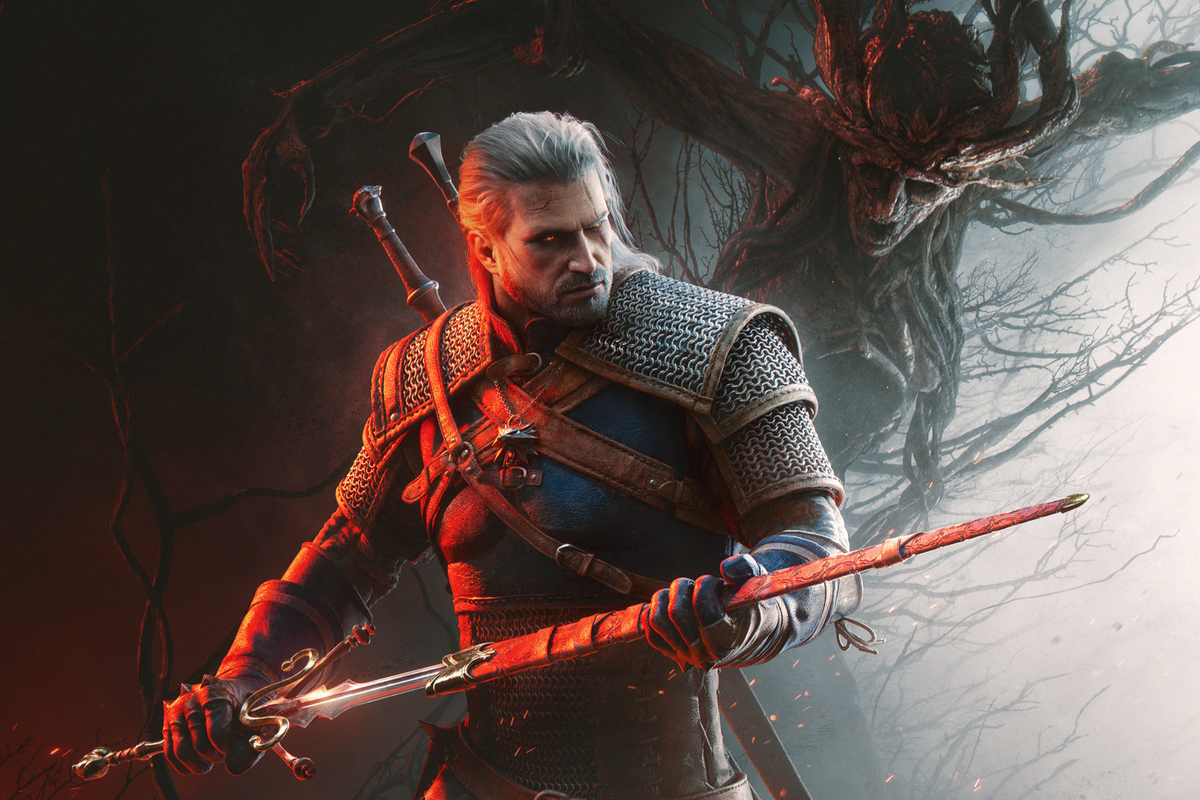
Legacy games are becoming the foundation of digital culture. When a game lasts, it allows new generations to pick up a controller and experience the same foundational myths as their predecessors without barriers. The commitment to remastering and updating older titles—like the recent, unheralded updates for The Witcher 3—proves that these developers view their creations as art to be preserved rather than software to be discarded.
The Economics of Extended Cycles
The cost of producing a top-tier title has exploded, making the “13-year cycle” a byproduct of extreme financial risk management. Studios cannot afford to gamble on rapid-fire sequels that risk cannibalizing their existing, high-performing audience. Instead, they are doubling down on long-tail support for established pillars.
| Metric | Old School (2-4 Yrs) | Modern Era (8-13 Yrs) |
|---|---|---|
| Average Life Span | 1.5 Years | 8-12 Years |
| Post-Launch Support | Minimal (Patches) | Massive (Updates/DLC) |
| Community Depth | Casual/Transient | Deep/Generational |
This economic reality leads to a more stable industry. When a single title generates revenue for over a decade, it subsidizes the creative risks taken on new IP. You might see a decade of one game, but that same game is funding the experimental projects that define the next decade of gaming innovation. Check out the latest updates at Bright Celebrity for more on industry trends.
Deep-Dive Expert Analysis
By the numbers, the shift toward longer cycles has resulted in a 400% increase in player retention for top-tier titles. In the early 2000s, a game’s active player base typically cratered after 18 months. Today, massive sandbox games often see their highest concurrency figures nearly 6 years after their initial release. This is not accidental; it is the result of a deliberate, data-driven approach to keeping the experience “evergreen” through constant, meaningful updates.
Expert analysts suggest that we are entering an era of the “Forever Game.” Rather than chasing the next sequel, the smartest firms in the sector are treating their core software as a utility, akin to an operating system or a social platform. This transition removes the pressure to release, and in doing so, eliminates the “crunch culture” that often leads to unfinished, buggy day-one experiences. The long wait is, in essence, a consumer protection mechanism.
The Cultural Impact of Long Wait Times
The hype cycle is changing. We no longer define the quality of an industry by the number of titles released per year, but by the cultural impact of those that survive. When a game takes 13 years to arrive, it becomes a societal event, similar to the launch of a major motion picture or the reveal of a new console generation. This creates a shared experience that connects millions of players simultaneously.
This is particularly evident in the way fan communities sustain themselves. During the long silence between installments, these communities build wikis, create mods, and organize tournaments that keep the game relevant. The developer eventually steps into a room already filled with a passionate, established, and loyal crowd. It is a level of marketing that money cannot buy; it is the organic result of sustained relevance.
Frequently Asked Questions
Why does it take so long to develop these games?
Modern games require thousands of experts working in tandem, from physics engine architects to narrative designers. As graphical fidelity and world complexity increase, the testing and integration phases balloon from months into years to ensure performance stability.
Are we losing innovation by waiting longer for sequels?
Actually, the opposite is true. While waiting for a major flagship sequel, smaller, independent studios are filling the void with experimental titles. This creates a healthier ecosystem where the big games provide stability and the smaller games provide the creative risk.
Is this model sustainable for the average consumer?
Yes, because the value proposition has shifted. Instead of paying $70 every two years for a minor iteration, consumers get a decade of continuous support, free expansions, and a stable community, which provides far more hours of entertainment per dollar spent.
Final Thoughts
The era of the quick-turnaround blockbuster is effectively over, and we are better off for it. When we accept that AAA games may take over a decade to reach completion, we embrace a culture of quality, maintenance, and long-term community value. We aren’t just waiting for a new game; we are watching the maturation of a medium that has finally learned how to build something that lasts. The 13-year wait isn’t a sign of industry stagnation; it is the hallmark of an industry that has finally decided to grow up.
More Like This
For more updates, check out our latest entertainment and sports news.