
⚡ Key Takeaways
- Exclusive insights from Eduardo Magallanes on the meticulous creative process of the Mexican legend.
- Analysis of the financial and cultural impact of Juan Gabriel’s 100 million+ record sales.
- Details regarding his final performance at The Forum in Los Angeles just 48 hours before his passing.
- The enduring influence of his songwriting on modern Latin pop and regional Mexican genres.
Juan Gabriel remains an unparalleled force in the global music industry, even as the world marks a decade since his unexpected departure in Santa Monica. You can still feel his presence in every mariachi chord and every soulful ballad that echoes through the streets of Mexico and the United States. His death on August 28, 2016, didn’t just silence a singer; it paused the heartbeat of a culture that saw itself reflected in his lyrics.
The man born Alberto Aguilera Valadez transformed from a struggling orphan in Ciudad Juárez to a global phenomenon who redefined masculinity and stardom. His collaboration with artistic director Eduardo Magallanes served as the sonic foundation for hits that have become the soundtrack of millions of lives. As we revisit his journey, we uncover the layers of a genius who was as complex as he was charismatic.
Today, his estate and musical catalog continue to generate massive interest, proving that his brand is as immortal as his melodies. Whether you are a lifelong fan or a newcomer to his discography, the story of his rise and the secrets behind his arrangements offer a masterclass in artistic dedication. Let’s dive deep into the world of the man they called ‘El Divo de Juárez.’
Juan Gabriel: The Timeless Evolution Of A Mexican Icon
The musical journey of Juan Gabriel began in the humble bars of Juárez, but it was his move to Mexico City that changed everything. He faced systemic rejection and even time in the Lecumberri prison before his talent became undeniable to the executives at RCA Víctor. It was there that his path crossed with Eduardo Magallanes, a man who would become his most trusted musical confidant.
Magallanes recently shared that the singer possessed an intuitive understanding of melody that defied traditional musical training. He didn’t just write songs; he crafted emotional experiences that bridged the gap between different social classes. From the pop-infused energy of ‘Noa Noa’ to the heartbreaking depth of ‘Amor Eterno,’ his range was practically limitless.
The Architecture of Sound
Working with a legend required a specific type of patience and creative synergy that Magallanes mastered over decades. He recalls how the artist would often bring a simple melody that, under their collaborative effort, would blossom into a full orchestral masterpiece. This process was not just about the notes on a page but about capturing the very essence of Mexican identity.
- Innovation: He was one of the first to blend traditional mariachi with modern pop sensibilities.
- Longevity: His career spanned over 45 years with consistent chart-topping success.
- Diversity: He wrote over 1,800 songs, many of which were performed by other legendary artists like Rocío Dúrcal.
By the time he reached his final years, he was no longer just a performer; he was a living monument. His 1990 concert at the Palacio de Bellas Artes shattered glass ceilings, as he was the first ‘pop’ artist to perform at the prestigious venue. This moment solidified his status as a cultural bridge-builder who could unite the elite and the working class through a single refrain.
Decoding The Massive Impact Of The Legend
To understand the scale of his success, one must look at the raw data that supports his legendary status. Juan Gabriel was not merely popular; he was a commercial juggernaut who consistently outperformed international stars in the Latin market. His albums often spent dozens of weeks at the top of the Billboard Latin Pop charts, a feat few have replicated.
The financial legacy he left behind is equally impressive, with estimates of his net worth at the time of his death reaching into the tens of millions. His catalog remains one of the most valuable in the world, frequently cited in discussions about celebrity estate management on platforms like brightcelebrity.com. The following table highlights some of the key milestones in his recording career.
| Album/Event | Year | Significance |
|---|---|---|
| El Alma Joven… | 1971 | Debut studio album featuring ‘No Tengo Dinero’ |
| Recuerdos, Vol. II | 1984 | Contains the mega-hit ‘Querida’, best-selling album in Mexico |
| Bellas Artes Live | 1990 | Historic live performance recording |
| Los Dúo Series | 2015 | Final major project featuring collaborations with global stars |
Expert Take: Industry analysts suggest that his music’s streaming numbers have actually increased by 25% since 2020. This indicates a ‘generational handover’ where younger listeners are discovering his work through social media platforms like TikTok. His ability to remain relevant in the digital age is a testament to the universal themes of love and heartbreak found in his lyrics.
Behind The Curtain With Maestro Eduardo Magallanes
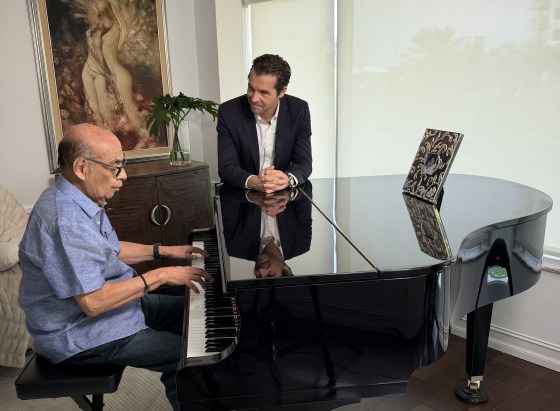
The relationship between Juan Gabriel and Eduardo Magallanes was more than just a business arrangement; it was a brotherhood forged in the fires of the music industry. Magallanes, speaking from his home in Florida, describes the Divo as a man who lived and breathed his art. There were no ‘off’ days when it came to perfecting a track or conceptualizing a tour.
Magallanes was responsible for some of the most iconic arrangements that fans recognize within the first three seconds of a song. He recalls the intense sessions for the ‘Los Dúo’ albums, where they reimagined classic hits for a modern audience. The Maestro notes that the singer was always open to new sounds but never at the expense of the song’s emotional core.
The Final Performance at The Forum
On August 26, 2016, Juan Gabriel took the stage at The Forum in Inglewood, California, for what would be his final bow. Eyewitnesses and crew members describe the energy as electric, with the singer appearing vibrant and full of life. He famously told the crowd to be proud of who they were, a message that resonated deeply with his diverse fanbase.
The sudden nature of his passing just 48 hours later sent shockwaves through the community. Magallanes reflects on those final days with a mix of sadness and pride, knowing that his friend left the world at the peak of his powers. The concert was part of the ‘MeXXico Es Todo’ tour, a title that perfectly encapsulated his patriotic devotion.
By The Numbers: The 2016 tour was on track to be one of the highest-grossing Latin tours of the year, according to IMDb data regarding his performance history. His final show lasted over two hours and featured a full mariachi band, dancers, and the lush orchestral arrangements that Magallanes had spent a lifetime perfecting.
The Shocking Work Ethic That Built An Empire
What many fans don’t realize is the sheer volume of work Juan Gabriel produced behind closed doors. He was a notorious night owl, often calling his team in the middle of the night to record a new idea. This obsession with productivity was born from his early years of poverty, where he learned that hard work was the only way out.
His home in Santa Monica served as both a sanctuary and a creative laboratory. Even when he wasn’t touring, he was constantly revising his archives. Magallanes mentions that there are likely hundreds of unreleased recordings and demos still sitting in vaults, waiting for the right time to be shared with the world.
The Songwriter for Others
One of the most profound aspects of his legacy is his work as a composer for other artists. He didn’t just write for himself; he tailored songs to the specific vocal strengths of his peers. His collaboration with Rocío Dúrcal is widely considered the gold standard for musical partnerships in the Spanish-speaking world.
- Mastery: He could write a ranchera, a bolero, and a disco track in the same week.
- Empathy: His lyrics often explored the perspectives of women, which was revolutionary for the time.
- Influence: Modern stars like Marc Anthony and Luis Miguel have cited him as a primary influence on their own styles.
The mastery of his craft extended to his business dealings as well. He was one of the few artists of his era who fought for the rights to his master recordings, a move that secured his family’s financial future for generations. This foresight is a key reason why his estate remains so influential in the industry today.
Frequently Asked Questions
When exactly did Juan Gabriel pass away?
He passed away on August 28, 2016, in his residence in Santa Monica, California. His death was attributed to natural causes, specifically a heart attack, which shocked the world just two days after a high-energy performance in Los Angeles.
Who is the main heir to his estate?
After a complex legal battle that lasted several years, his son Iván Aguilera was named as the universal heir. The estate includes his vast musical catalog, various properties across Mexico and the U.S., and the rights to his likeness and name.
What is considered his most famous song?
While he had dozens of hits, ‘Amor Eterno’ is widely considered his most iconic song. It is frequently played at funerals and Mother’s Day celebrations across the Spanish-speaking world, serving as a powerful anthem of grief and everlasting love.
Did he have any unreleased music?
Yes, according to his long-time collaborator Eduardo Magallanes and various estate representatives, there is a significant amount of unreleased material. Some of this has been released posthumously, such as ‘Los Dúo 3’, but many more tracks are rumored to exist in his private archives.
The Eternal Resonance Of Juan Gabriel In Modern Music
As we look back on the decade since his passing, it is clear that Juan Gabriel has achieved a level of immortality that few artists ever reach. His music continues to be a source of comfort and celebration for millions. The insights provided by Eduardo Magallanes remind us that behind the sequins and the spectacle was a man of profound musical intelligence and an tireless work ethic.
His influence can be seen in the new generation of Latin artists who are breaking barriers on global charts. They carry his torch of authenticity and emotional honesty. The Divo of Juárez may be gone, but his voice remains as vibrant as ever, proving that true talent is never silenced by time. Juan Gabriel will forever be the king of the Mexican stage, a reminder of the power of art to transcend borders and hearts.
More Like This
For more updates, check out our latest entertainment and sports news.