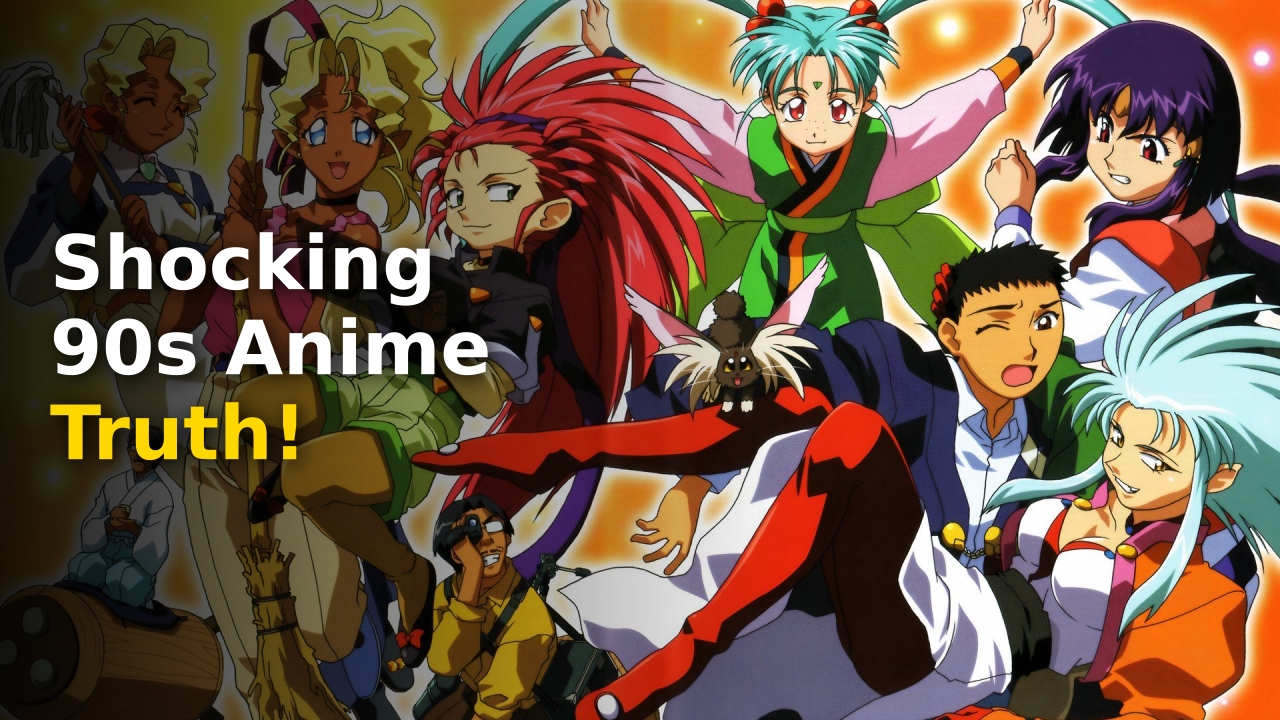
90s Anime is often remembered through a haze of nostalgia, but the cold, hard truth is that many celebrated series have aged into unwatchable relics. You might recall your favorite childhood shows as masterpieces, but revisiting them today often reveals clunky pacing, problematic themes, and production values that simply do not hold up to modern standards.
While the golden era of the 1990s gave us iconic hits like Sailor Moon and Dragon Ball Z, it also birthed shows that struggle under the weight of outdated tropes. Today, we peel back the curtain to examine why some of your most cherished favorites might be better left in the past.
The Problematic Legacy of 90s Anime Favorites
When you analyze the cultural landscape of the 1990s, it becomes clear that many series were products of their time, often pushing boundaries that are now rightfully scrutinized. Rurouni Kenshin, for example, remains a titan of the shonen genre, yet its legacy is deeply tarnished by the criminal convictions of its creator, Nobuhiro Watsuki. It is difficult to separate the art from the artist when the creator’s actions remain so abhorrent.
Furthermore, series like Kite attempted to be gritty, hard-boiled character studies but instead descended into gratuitous, sadistic content that alienated mainstream audiences. While Quentin Tarantino famously drew inspiration from its aesthetic for Kill Bill, the show itself remains a disturbing experience that lacks the depth to justify its shock value. These shows highlight a recurring issue in 90s production where spectacle frequently prioritized over substance.
The concept of romance in 90s television also shifted in ways that modern viewers find increasingly uncomfortable. Marmalade Boy, with its bizarre premise of swapping parents and step-sibling romances, represents a clumsy attempt at melodrama that has aged poorly. It serves as a reminder of how television writing has evolved to demand higher narrative standards from its audience today.
You must also consider the technical failures that plagued certain productions due to budget constraints. His and Her Circumstances, directed by Hideaki Anno, was a brilliant exploration of teenage identity that ultimately collapsed under the weight of internal studio issues. Watching characters slide across a screen on popsicle sticks instead of being properly animated is a jarring experience that kills any emotional immersion.

Some shows simply lost their charm due to heavy-handed localization efforts that stripped away the nuance of the original scripts. The English dub of Cardcaptor Sakura, retitled Cardcaptors, fundamentally altered the character motivations, turning a sophisticated shojo story into generic filler. This homogenization of content was common during the 90s, but it remains a disservice to fans who appreciate the depth of Japanese storytelling.
Examining Narrative Decay and Filler
- Excessive filler episodes were used to stretch limited source material, killing the pacing of shows like Sailor Moon.
- The prevalence of the damsel-in-distress trope in Fushigi Yugi stifles female character growth.
- Outdated harem tropes, particularly those popularized by Tenchi Muyo!, have become tiresome and problematic in the current era.
Comparative Analysis of Aging Titles
To understand why these shows fail to engage modern viewers, we must look at the specific factors that contribute to their decline. The following table breaks down the primary reasons why these 90s anime classics struggle in the modern streaming age.
| Series Title | Primary Issue | Verdict |
|---|---|---|
| Rurouni Kenshin | Creator Controversy | Avoid |
| The Ping Pong Club | Tone-deaf Comedy | Dated |
| Urotsukidoji | Lurid Content | Objectionable |
This breakdown illustrates that the issues are not merely superficial, but often rooted in the core production values or the social consciousness of the era. If you are interested in deep dives into industry history, you might want to visit Bright Celebrity for more commentary. While history is important, it is clear that re-watching some of these titles is a test of patience rather than a nostalgic trip.
The Evolution of Modern Animation Standards
The transition from analog cel animation to modern digital techniques has fundamentally changed how we perceive quality. You only need to look at current series to see that frame-by-frame character consistency and smooth transitions are now expected rather than hoped for. This technological leap makes the cut-outs in Kare Kano feel even more glaring to a generation accustomed to fluid, high-frame-rate action.
Furthermore, the industry has become much more aware of its global audience, leading to less aggressive censorship and more faithful adaptations. When you look back at Cardcaptor Sakura, the heavy-handed editing used to hide queer relationships seems archaic. We have moved past the era where content had to be sanitized to fit a specific broadcast demographic in the West.
The role of streaming platforms has also forced creators to tighten their storytelling. Gone are the days when a show could afford 50 episodes of aimless wandering before reaching the climax. Today’s viewers value high-density narrative, which makes the slow, padding-heavy structure of 1990s staples feel particularly bloated.
It is important to acknowledge that these series paved the way for modern hits by experimenting with genres that were previously untapped. Even if the execution was clunky, the ambition behind Fushigi Yugi‘s isekai approach or Sailor Moon‘s magical girl structure provided the blueprint for everything that follows. We can respect the contribution to history without needing to subject ourselves to the viewing experience.
You should also note that the rise of the internet allowed for a more critical, international dialogue about what is acceptable in media. When shows like The Ping Pong Club rely on jokes that aged like milk, the backlash is instantaneous and widespread. This environment has pushed studios to cultivate better comedic writing that relies on character dynamics rather than just being shock-oriented.
Ultimately, your time is valuable. While nostalgia is a powerful drug, it should not blind you to the reality that media consumption habits have evolved significantly. Choosing to leave certain shows in the past allows you to discover the countless new masterpieces being created right now.
Final Reflections on 90s Anime
The landscape of 90s anime is defined by a dichotomy of genius and cringe that continues to intrigue scholars and casual viewers alike. While it is true that some series aged poorly, the lessons learned from their successes and failures remain invaluable. Recognizing these flaws helps us appreciate the sophistication of modern storytelling while honoring the pioneers who built the medium.
Whether you choose to revisit these shows or move on, the debate regarding their watchability remains a vital part of fandom culture. The evolution of the industry is a continuous process, and the titles mentioned here serve as milestones on that long, winding road of progress. Thank you for taking this walk through history as we dissected these influential but arguably unwatchable relics.
More Like This
For more updates, check out our latest entertainment and sports news.