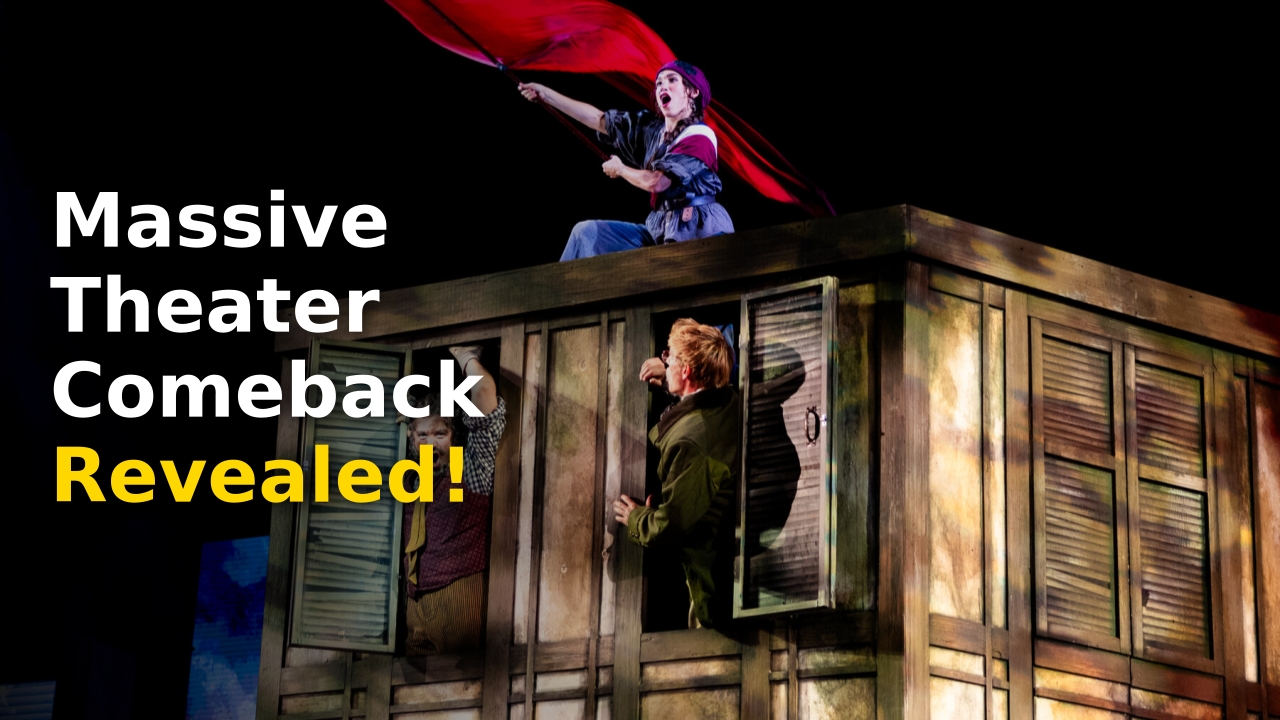
Les Miz has officially returned to regional stages, providing a much-needed financial lifeline to a theater industry that has been battered by years of economic instability and audience fluctuations. You have likely witnessed how the landscape of live performance shifts, but the re-release of rights for this legendary production is a total game-changer for local playhouses from coast to coast.
For decades, this musical has stood as a titan of the stage, and its return to the regional circuit marks a pivotal moment for theater operators fighting to keep their doors open. By finally lifting the production moratorium that followed the conclusion of the national tour, producers are handing a lifeline to venues that desperately need a reliable, high-grossing hit to balance their ledgers.
The Les Miz Economic Impact
Why is this specific show considered such an instant moneymaker by industry veterans? The answer lies in the sheer brand recognition that the title carries, which drastically reduces the marketing spend required to fill seats compared to new or experimental works. You know the score by heart, and so does the general public, creating an automatic pipeline of ticket sales the moment the curtain rises.
Regional theaters often struggle with the ‘subscription dilemma,’ where aging audiences are hesitant to gamble on unknown scripts. When a theater announces they are producing this specific masterpiece, they are essentially printing their own revenue, as the story of Jean Valjean and his quest for redemption transcends generations. It acts as a bridge, pulling in loyal donors and casual theatergoers alike who are eager to experience the spectacle live.
Local economies also benefit significantly from these high-profile runs, as thousands of visitors flock to downtown districts for dinner and drinks before the performance. This creates a ripple effect that supports local restaurants, parking garages, and hospitality services, proving that a single, well-placed production can revitalize an entire urban corridor. You are not just buying a ticket; you are investing in the health of your local community.
The technical requirements of the show are intensive, which stimulates jobs for local stagehands, lighting designers, and costume shops. Unlike smaller, minimalist productions, this show demands a full ensemble, providing work for a vast array of actors and crew members who have been starving for stable employment in the arts. It is a massive injection of capital into a labor market that has felt abandoned by the post-pandemic recovery.
Many veteran actors, who once feared that the age of the ‘mega-musical’ was dying, are now finding their schedules packed with auditions. They describe the experience of stepping back into these iconic roles as a homecoming, one that brings a sense of permanence back to a profession defined by transience. For more industry updates and the latest on what stars are earning, you can check out exclusive reports here.

Production Quality Standards
- Full-scale orchestral arrangements are returning to regional pits.
- Costume departments are sourcing high-quality materials to recreate the 19th-century aesthetic.
- Digital projection technology is being blended with traditional physical set pieces.
- Casting calls are prioritizing regional talent to keep production costs localized.
- Audience safety protocols have been streamlined to maximize capacity during sold-out runs.
Strategic Financial Benefits Table
The financial disparity between staging a new, unproven work and a established powerhouse is staggering. Below is a breakdown of why this shift is so crucial for struggling venues.
| Financial Metric | New Production | Les Miz Revival |
|---|---|---|
| Marketing Spend | Very High | Very Low |
| Audience Retention | Moderate | Extremely High |
| Ticket Sales Velocity | Slow Start | Immediate Sell-out |
| Sponsorship Potential | Limited | High Corporate Interest |
The Cultural Legacy
Beyond the spreadsheets and ticket tallies, the cultural importance of keeping this work alive cannot be overstated. By exposing new generations of theatergoers to the complex themes of social justice, sacrifice, and love, regional theaters ensure their own future relevance. You become part of a tradition that stretches back to the original French production, connecting local communities to the global stage.
This revival is not merely a nostalgia trip; it is an evolution of how we perceive storytelling in the modern age. Directors are finding new ways to interpret the classic score, incorporating modern lighting and staging techniques that resonate with the digital-native audience of 2026. This blending of the old and new ensures that the industry remains dynamic and ever-changing.
You may wonder if the saturation of such a popular title hurts other productions, but the reality is quite the opposite. When theaters are financially healthy, they are more willing to take risks on smaller, experimental projects throughout the rest of the season. Success breeds success, and this specific production acts as the financial anchor that keeps the entire ship from drifting into bankruptcy.
The accessibility of the show has also reached new heights, with many regional houses implementing sliding-scale ticket prices to ensure that high-quality art is available to everyone, regardless of their economic background. This inclusivity is vital for the survival of the theater as an art form, proving that the industry is listening to the needs of the people it serves. You are seeing the birth of a more equitable stage environment.
It is worth noting that for many performers, landing a role in a regional run of this show is a career-defining moment. It allows them to demonstrate their vocal range and acting prowess in front of capacity crowds, serving as a springboard for Broadway aspirations or film careers. The talent pipeline is essentially being refilled by the demand for this production.
As we look toward the 2026-2027 season, the schedule is already filling up with repeat requests from venues that had successful runs in the early year. This momentum is exactly what the industry needed to shed the gloom of the previous years. You are witnessing the most significant comeback in modern stage history.
Final Thoughts and Future Outlook
The return of this theatrical giant to the regional stage is more than just a scheduling coincidence; it is a vital intervention for a struggling sector. As you plan your entertainment calendar, prioritize supporting these local productions, as your contribution keeps the magic of live performance alive. Through the smart application of high-demand content, the industry is proving that it can pivot, adapt, and ultimately thrive in an uncertain economy.
Whether you are a lifelong fan of the barricades or a newcomer to the music, now is the time to engage with your local arts scene. By embracing the return of this classic, we are collectively ensuring that the stage remains a space for profound connection and shared human experience. This is the era of the Les Miz resurgence, and it is a win for everyone involved in the vibrant world of theater.
More Like This
For more updates, check out our latest entertainment and sports news.