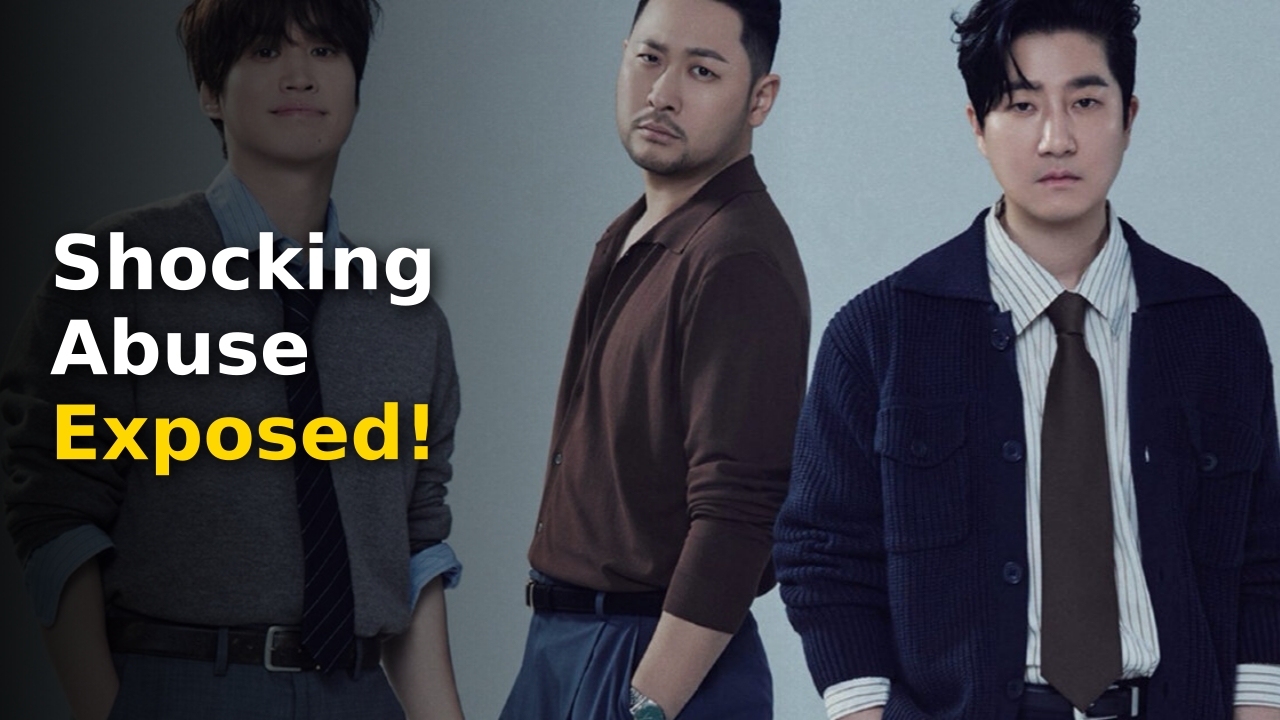
Have you ever wondered how Mithra Jin survived the brutal reality of early K-pop fame before becoming an industry legend? The respected member of the legendary South Korean hip-hop group Epik High recently broke his silence on a deeply disturbing incident that has sent shockwaves through the entire entertainment industry. During a candid conversation on their official YouTube channel, the accomplished artist detailed a horrific encounter with a famous television producer (PD) who shamelessly abused his professional authority.
This shocking revelation has ignited a massive debate online, prompting fans and industry insiders alike to demand accountability in a culture historically plagued by hierarchy. The incident has shed light on the dark underbelly of the Korean broadcasting world, where younger artists are often forced to endure humiliating treatment to secure television appearances. As the story continues to gain traction, many are looking closer at the toxic dynamics that still exist behind the glamorous scenes of K-pop.
By speaking out, the veteran rapper has opened up a necessary dialogue about mental health, respect, and professional boundaries in the workplace. His story highlights how even the most successful figures in the music industry were once vulnerable to systemic exploitation by powerful network gatekeepers. The revelation serves as a stark reminder of the challenges that artists face behind closed doors.
Mithra Jin Scandal
The controversy unfolded on August 13th, 2024, when the trio released a highly anticipated video titled ‘Is Social Life Difficult?’ on their official channel. The group, known for their witty banter and brutally honest discussions, began debating how to handle awkward social situations. The conversation took a serious turn when they discussed how to politely decline friends who ask to ride in or drive a newly purchased vehicle.
This prompt triggered a painful memory for Mithra Jin, who recalled the purchase of his very first car. For any young adult, buying a first vehicle is a milestone worth celebrating, representing freedom and hard-earned success. However, for the young rapper, this joyous occasion was quickly ruined by a reckless and entitled industry professional.
At the time, the young artist had barely driven his pristine new car himself, keeping it in immaculate condition. Unfortunately, due to a demanding television filming schedule, he was forced to drive his personal vehicle to a remote set. It was during this fateful trip that he was instructed to give a ride to a prominent broadcasting station producer.
The Power Dynamic
- The television producer held absolute power over the group’s promotional opportunities and future broadcast appearances.
- Younger artists in South Korea often cannot reject requests from industry veterans due to career-ending retaliation.
- The pressure to maintain a polite and submissive image forces many performers to tolerate extreme disrespect.
- The car was a brand-new purchase, representing a major personal milestone that was instantly violated.
The sheer power disparity made it impossible for the young musician to speak up or defend his property. In the entertainment landscape, a single negative word from an influential producer can blacklist a musical group indefinitely. This silent pressure created an environment where toxic behavior could thrive without any immediate consequences.
Reflecting on those early days, the members of Epik High agreed that such power structures have historically silenced countless talented individuals. The trauma of the event lingered with the rapper for decades, altering how he interacts with industry professionals to this day. It highlights a period when artists had little to no agency over their own lives.
Fans have expressed deep admiration for his willingness to share such a vulnerable story, emphasizing that sharing these experiences helps dismantle the toxic work culture. It also provides comfort to younger idols who may currently be going through similar trials behind the scenes.
The Shocking Incident
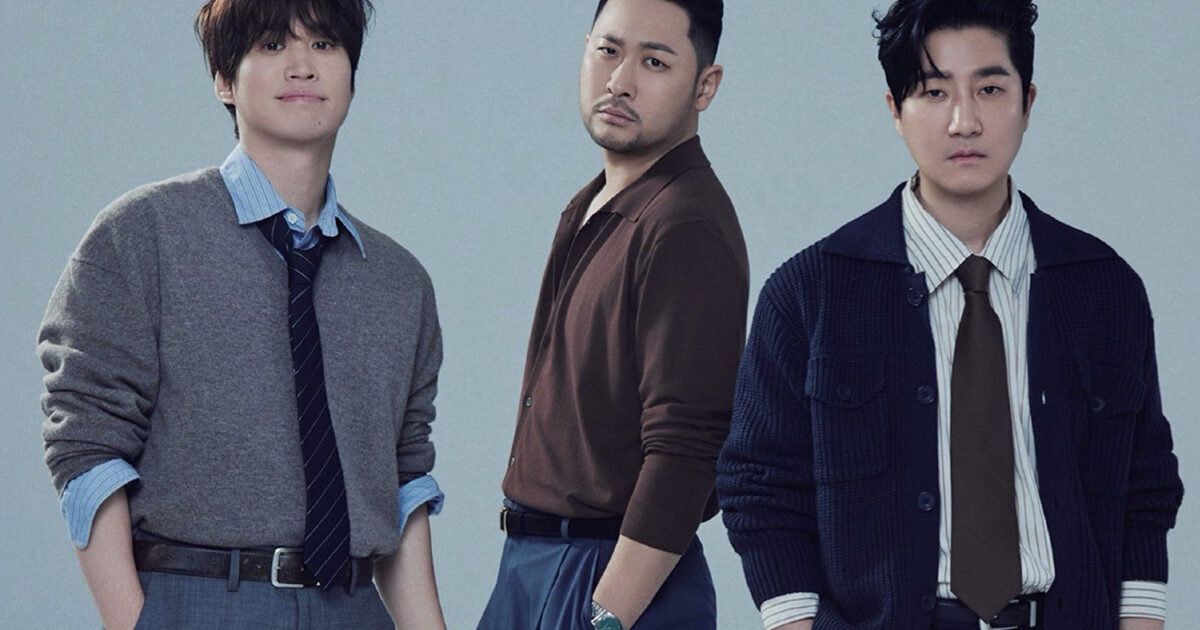
Once the producer entered the vehicle, the boundary-crossing behavior began almost immediately, shocking everyone in the car. Without asking for permission, the producer lit a cigarette inside the tightly enclosed space of the brand-new car. The artist confessed that while he was incredibly uncomfortable, he tried to remain patient, convincing himself that the lingering smoke smell could eventually be removed.
However, the producer’s disregard for the vehicle went far beyond simple secondary smoke pollution. In a shocking display of disrespect, the producer carelessly dropped a hot cigarette butt directly onto the interior floor of the new car. This reckless action left a permanent, highly visible black burn mark on the pristine fabric of the vehicle.
The sheer audacity of damaging someone else’s property without an apology stunned the other Epik High members. As the story was told, both Tablo and DJ Tukutz reacted with intense anger and disbelief at the producer’s behavior. They loudly condemned the unnamed individual, calling him completely inconsiderate and unprofessional during the broadcast.
The Damaging Behavior
- Smoking inside a confined space without the vehicle owner’s consent or consideration.
- Leaving a permanent black cigarette burn mark on the interior fabric of a brand-new car.
- Throwing active cigarette butts onto the floor of the vehicle, risking a serious fire hazard.
- Refusing to offer any form of apology or financial compensation for the visible property damage.
The fury displayed by his groupmates highlighted just how deeply unfair the situation was. Tablo was particularly vocal, repeatedly asking which specific broadcasting station the offender belonged to in an effort to expose his identity. However, the rapper chose to keep the producer’s name confidential, citing the ongoing risks of public exposure.
This cautious approach is common among South Korean celebrities who fear the potential legal fallout of naming names. Under strict domestic defamation laws, exposing the truth can still result in legal penalties if the individual’s reputation is damaged. Thus, the identity of the toxic producer remains a frustrating secret to this day.
Despite the anonymity, the story has resonated deeply with the public, who are weary of hearing about the continuous mistreatment of artists. The solidarity shown by the group members has also warmed the hearts of fans, proving that their bond is unbreakable.
Abuse of Power
To understand the gravity of this situation, we must look at the historical context of power abuse within the entertainment industry. The Korean term ‘Gapjil’ refers to the authoritarian behavior of people in positions of power toward their subordinates. This systemic issue has plagued various sectors, including music, television, and corporate culture, for generations.
Over the years, numerous artists have stepped forward to share their experiences of being mistreated by network executives, managers, and producers. These stories often share similar patterns of emotional abuse, physical neglect, and financial exploitation. The public’s reaction to these disclosures has sparked a growing movement demanding systematic reforms.
To provide a clearer picture of these dynamics, we have compiled a historical overview of notable public power abuse controversies in the media. This data illustrates how widespread the problem has been and the varying degrees of public backlash that followed.
| Year | Industry Sector | Type of Controversy | Public Backlash Level |
|---|---|---|---|
| 2018 | Broadcasting | Verbal abuse by senior director | Very High |
| 2020 | Music Agency | Unfair contract terms and physical exhaustion | Extreme |
| 2022 | Variety Show | Unpaid wages and excessive filming hours | High |
| 2024 | Broadcasting | Mithra Jin’s vehicle damage incident | Growing Rapidly |
As the table demonstrates, the media landscape has repeatedly struggled with issues of executive overreach and workplace misconduct. Each incident acts as a sobering reminder of the hurdles independent artists must clear to protect their dignity. It also shows the steady evolution of public empathy toward mistreated celebrities.
Fans are no longer willing to tolerate the mistreatment of their favorite performers, using social media to organize boycotts and demand formal apologies. This shift in consumer behavior is slowly forcing broadcasting stations to implement stricter ethical guidelines. However, progress is slow, and deep-rooted hierarchical traditions remain difficult to dismantle entirely.
Advocacy groups have argued that without independent oversight committees, these issues will continue to persist. True change requires a collaborative effort from networks, agencies, and the government to establish enforceable codes of conduct. Until then, public exposure remains one of the few viable defenses for vulnerable creators.
Broadcasting Culture Explored
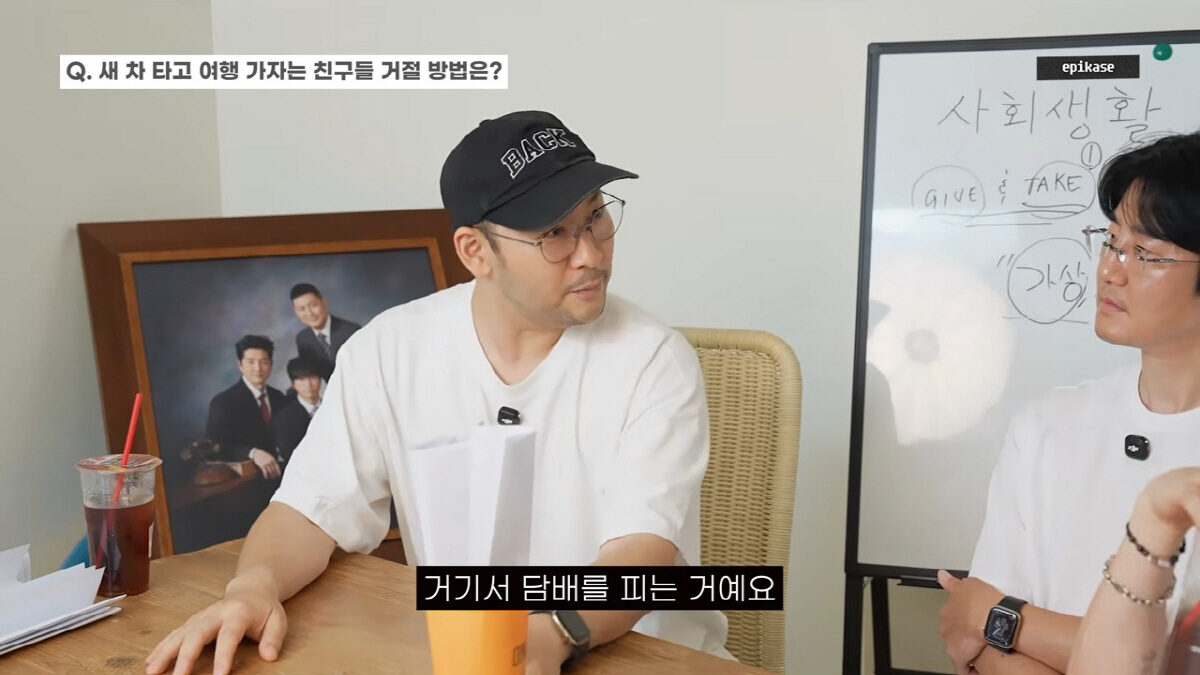
To understand why this incident was so damaging, one must explore the larger cultural context of the music industry in South Korea. The celebrated hip-hop trio Epik High has been a dominant force in the scene since their debut in 2003. Known for paving the way for independent artists, they have often spoken about the challenges of navigating mainstream media channels.
In the early 2000s, television promotions were the absolute lifeblood of any musical group’s survival and success. Without regular appearances on music programs and variety shows, a group had virtually no chance of reaching the wider public. This dynamic gave television producers an unprecedented level of leverage over young, aspiring musicians.
This unmatched influence often resulted in an environment where producers could act with complete impunity, knowing that artists would never dare to complain. The pressure to conform was immense, with many performers enduring grueling work environments just for a few minutes of screen time. You can read more about various korean celebrity news updates to see how these dynamics have evolved over the years.
Systemic Industry Issues
- The unilateral control of broadcasting slots by a small handful of influential television networks.
- The lack of institutional HR support or reporting channels for independent musical artists.
- The fear of a collective industry blacklist if an artist decides to speak out against a producer.
- The generational acceptance of harsh treatment as a necessary rite of passage for rookie groups.
Thankfully, the modern landscape has shifted dramatically with the rise of independent streaming services and global social media platforms. Today’s artists have alternative methods of reaching their fanbase, reducing their absolute reliance on traditional television channels. This digital transition has empowered musicians to speak more freely about the abuses they experienced in the past.
Nevertheless, the scars of the older system remain visible in the testimonies of veteran artists who lived through the peak of the broadcast era. The bravery of veteran groups speaking out helps pave a safer path for the younger generation of K-pop idols. By discussing these past traumas, they dismantle the culture of silence that once protected abusive figures.
This shift in power dynamics has allowed artists to cultivate a more direct, authentic relationship with their supporters. It has also enabled them to regain control over their creative output, personal brand, and physical well-being.
The Lasting Trauma
For the highly respected artist Mithra Jin, the psychological impact of the incident extends far beyond the physical damage to his first vehicle. He candidly admitted that the event left him with deep-seated trust issues that altered his daily behavior. To this day, he experiences intense anxiety when considering giving rides to individuals he does not know well, illustrating how long-lasting the consequences of professional disrespect can be.
This lasting trauma serves as a powerful reminder of how quickly an act of thoughtless cruelty can leave a permanent mark on someone’s life. What was supposed to be a proud symbol of his early career success became a source of stress and humiliation. By sharing his personal struggle, he highlights the human cost of the industry’s toxic hierarchy.
The overwhelming support from fans has shown that the public stands firmly with the members of Epik High. As the conversation around mental health and workplace respect grows, stories like this are vital catalysts for real, structural change. Ultimately, the hope is that future artists will never have to choose between their career and their basic human dignity.
More Like This
For more updates, check out our latest entertainment and sports news.