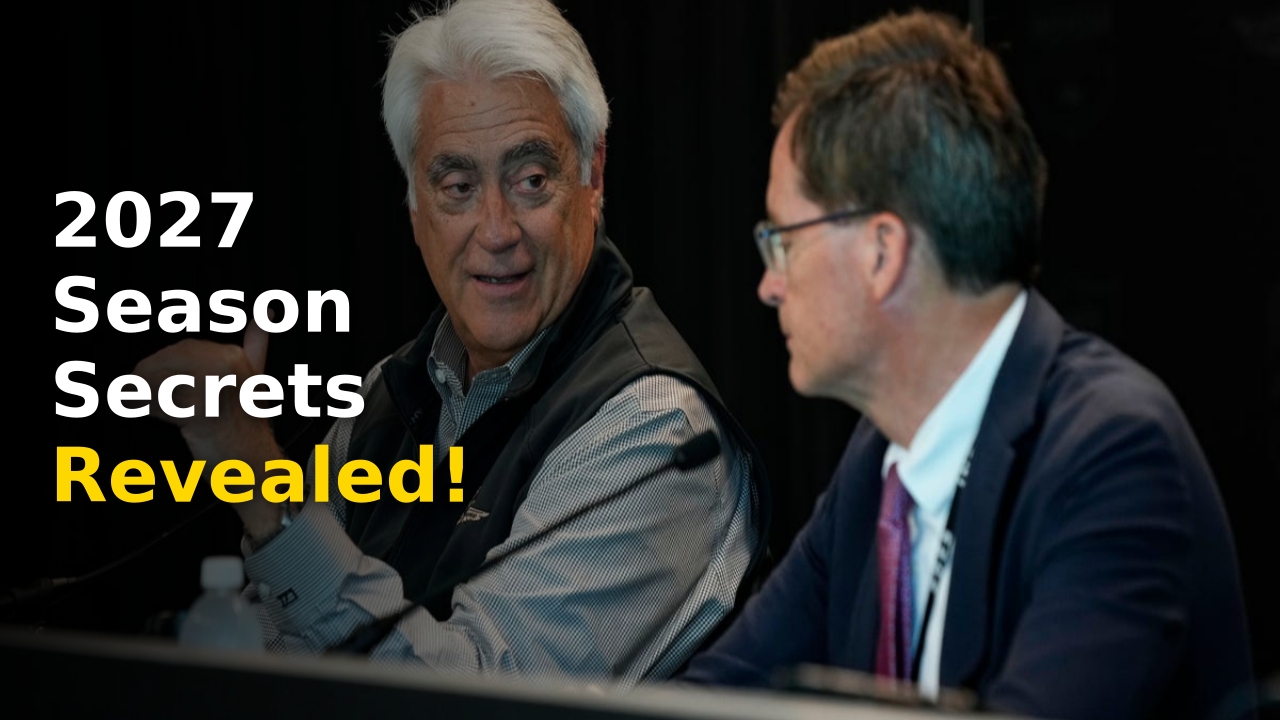
IndyCar schedule updates have finally arrived, revealing the first eight stops for the 2027 season and proving that high-speed drama is just around the corner. If you crave the sound of open-wheel engines screaming down the straightaways, you are likely already counting down the days until the green flag drops at the season opener.
The announcement confirms a strategic alignment with NASCAR and a continued reliance on the successful broadcast partnership with Fox Sports. For fans who lived through the pulse-pounding action of the 2026 campaign, this blueprint promises a return to that same breakneck pace.
Refining the IndyCar schedule Strategy
Penske Entertainment leadership, led by Mark Miles, has emphasized that the 2027 season is all about momentum. By locking in the first eight dates, the organization aims to provide clarity for both teams and fans alike. The decision to shift the start date back by exactly one week serves a dual purpose: it optimizes the weather window and facilitates a three-week race block that keeps engagement levels consistently high.
This strategic shuffling is not just about logistics; it is about showmanship. Returning to Phoenix Raceway in partnership with the NASCAR Cup Series has proven to be a masterstroke for series visibility. By synchronizing these massive events, IndyCar maximizes its reach, ensuring that casual viewers become lifelong supporters of the series.
The inclusion of St. Petersburg as the traditional opener has cemented its place in motorsport history. It provides the perfect, tight, and technical backdrop to test the resolve of world-class drivers right out of the gate. From there, the caravan moves through high-intensity circuits that demand both physical stamina and mechanical perfection.

For those interested in the lives of the athletes behind the wheel, you might want to look into the personal lives and career trajectories of top drivers as they prepare for this grueling calendar. Tracking these narratives adds a layer of depth to every overtake and pit stop. Knowing the stakes behind the scenes makes the on-track battles feel even more personal.
The expansion into Arlington for a marquee event is another signal that the series is evolving. By diversifying the types of venues—moving from historic ovals to intense street circuits—IndyCar forces its competitors to adapt constantly. This, in turn, keeps the championship battle tighter for a longer period of time.
Critics often argue about the volatility of scheduling, but Doug Boles remains steadfast in his commitment to the fans. His vision for the sport involves maintaining the frantic pace while ensuring that the infrastructure at each venue can handle the increased volume of attendees. This is a delicate balance of hospitality and high-stakes racing.
Phase One Breakdown
- St. Petersburg: The quintessential start to the season where precision meets chaos.
- Phoenix Raceway: A high-speed validation of the ongoing NASCAR partnership.
- Arlington: The new marquee destination designed to challenge the field in a city environment.
- Barber Motorsports Park: A technical masterpiece that tests the limits of driver stamina.
Competitive Metrics and Calendar Stats
The following table outlines the structural shift for the 2027 season, highlighting the deliberate timing adjustments made by officials. These shifts are intended to ensure the IndyCar schedule avoids conflict with other major sporting events and weather events that have historically plagued early-year racing.
| Event Location | Strategic Value | Primary Challenge |
|---|---|---|
| St. Petersburg | Fan Engagement | Street Circuit Tightness |
| Phoenix Raceway | NASCAR Synergy | High-Speed Oval Loads |
| Arlington | Market Expansion | Urban Traffic Flow |
| Barber Park | Technical Purity | Elevation Changes |
Unresolved Questions for 2027
Beyond the first eight races, the remainder of the calendar is a subject of intense speculation within the racing community. Questions regarding the future of the Nashville Superspeedway as a season finale are particularly loud. Should the series stick with a mid-summer date or return to the high-stakes pressure of a closing round? These decisions will define the final championship narrative.
The situation in Washington, D.C. is equally intriguing. While brass has labeled the 2026 event a “one-time” experience, the pressure from local government entities like Mayor Muriel Bowser creates a persistent storyline. If the series decides to return to the capital, it would signal a major shift toward high-profile, city-centric racing models that prioritize visibility over track purity.
We also have the ongoing saga of the World Wide Technology Raceway. The physical toll of back-to-back weekends in mid-summer is well-documented, and teams are undoubtedly lobbying for a more balanced schedule. The decision-makers must weigh the benefits of a grueling stretch against the risk of driver fatigue and equipment failure.
Furthermore, the growth of the IndyCar brand internationally and across North America depends on the success of these early dates. If the Fox Sports viewership numbers continue to trend upward, the leverage to negotiate for better dates increases exponentially. This is a business of inches and seconds, both on and off the track.
Fans should keep a close eye on the official IndyCar social channels for updates on the remaining nine rounds. The sport is in a state of rapid transition, and the decisions made in the next few months will influence the trajectory of the series for the remainder of the decade. Stay tuned as we monitor these developments closely.
The Road Ahead for Fans
As the series moves toward 2027, the focus remains on delivering an unmatched spectator experience. Whether you prefer the raw speed of an oval or the technical demand of a street course, the 2027 calendar is designed to keep you on the edge of your seat. The blend of classic venues and experimental markets is precisely what this sport needs to maintain its growth trajectory.
With the first eight races secured, the foundation is solid. The challenge for Penske Entertainment now lies in filling the remaining gaps with races that match the intensity of the early season. This is not just a schedule; it is the heartbeat of a growing industry that shows no signs of slowing down anytime soon.
Finalizing these plans requires coordination between track owners, broadcast partners, and city officials. It is a monumental task that largely goes unseen by the average fan. However, the result of this labor is what we see on our screens every weekend: the pinnacle of North American open-wheel competition.
To stay updated with the latest news, ensure you are following reputable sources and engaging with the community. The 2027 season is poised to be one of the most significant in the sport’s modern history. We are witnessing a new golden age of IndyCar racing, and your continued support is a vital part of that equation.
As we wrap up our analysis of the IndyCar schedule, remember that the best way to enjoy these events is to prepare early and engage with the stories that unfold. The 2027 championship starts with these eight crucial races, setting the stage for what is sure to be another heated battle for the Astor Cup. Keep your engines ready and your eyes on the horizon.
More Like This
For more updates, check out our latest entertainment and sports news.