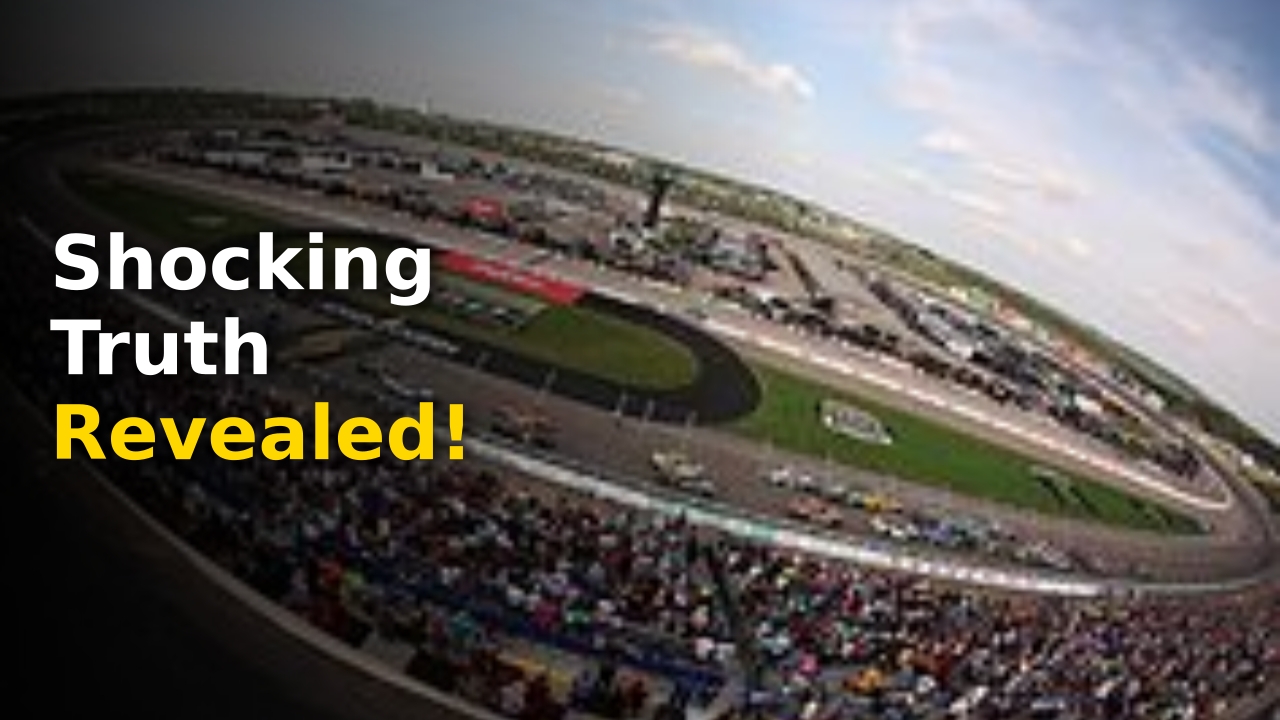
Are you ready to discover how a quiet cornfield turned into one of racing’s most legendary short tracks? The construction of Iowa Speedway remains one of the most audacious gambles in modern motorsports history.
You will be amazed by the incredible engineering secrets and financial drama that built this iconic venue. NASCAR fans know this track as a powerhouse of adrenaline, but its origins are shrouded in massive budget overruns. When Hall of Famer Rusty Wallace first walked through the cornfields of Newton, Iowa, he envisioned a racing paradise.
The journey from a simple blueprint in 2004 to a premier racing destination was anything but smooth. Today, the venue hosts elite events like the Cup Series, the O’Reilly Auto Parts Series, and the ARCA Menards Series. Let us dive deep into the fascinating story behind NASCAR’s newest oval masterpiece.
Iowa Speedway Design Secrets
The layout of this legendary track did not happen by accident. You can thank Hall of Famer Rusty Wallace for the brilliant D-shaped design that keeps drivers on the absolute limit. He wanted to bring the intense atmosphere of Richmond Raceway and Bristol Motor Speedway to the Midwest.
Wallace brought decades of elite racing knowledge directly to the drafting table. During his legendary career, he scored 55 Cup Series victories, cementing his name in motorsport history. He wanted to build a short track that bypassed the traditional design flaws of older venues.
Specifically, Wallace sought to fix the transition into Turn 1 that plagued Richmond for years. He believed a smoother entry would allow for higher speeds and cleaner passing opportunities. This obsessive attention to detail shaped the physical footprint of the entire facility.
The Richmond Inspiration
The Richmond layout served as the primary inspiration, but Wallace knew he could improve the formula. He wanted a track that punished mistakes but rewarded aggressive, calculated driving. The resulting seven-eighths-mile oval became an instant hit with drivers across all series.
By utilizing a D-shaped configuration, the frontstretch offers ample room for drafting and late-braking maneuvers. Drivers are forced to make split-second decisions as they transition from high speeds into the sharp corners. This dynamic layout has produced some of the closest finishes in short-track history.
The unique geometry ensures that cars are constantly running in close proximity to one another. Fans are treated to a non-stop spectacle of paint-trading action from the green flag to the checkered. It represents the perfect modernization of classic short-track racing.
The Progressive Banking Twist
The banking profile underwent a radical transformation late in the planning stages of the project. Originally, Wallace planned to install a static banking system of 12 degrees at the bottom and 14 degrees at the top. This design seemed perfect for stock cars but caused panic among open-wheel promoters.
Engineers from the IndyCar series expressed deep concerns that their low-slung cars would scrape the track surface. They requested a progressive banking system of 12-13-14 degrees to alleviate these clearance issues. This crucial adjustment completely transformed how the track drives.
The progressive banking allows drivers to carry incredible speed through the center of the corners. It creates multiple competitive lanes, allowing for clean side-by-side racing without excessive tire wear. This late-stage design change turned out to be a massive blessing in disguise for the sport.
Rusty Wallace Master Plan

Rusty Wallace did not just want to build a track for regional weekend races. He constructed this world-class venue with a highly calculated master plan to secure a permanent spot on the Cup Series schedule. This ambitious vision required some of the most clever engineering tricks ever seen in track design.
Many critics initially doubted the facility because of its relatively small initial grandstand capacity. Wallace knew that building massive, empty grandstands from day one was a recipe for financial ruin. Instead, he designed the facility into a beautiful natural bowl surrounded by rolling hills.
This natural topography allowed him to conceal the massive infrastructure required for future expansion. He deliberately hid the bones of a major league stadium within the peaceful Iowa landscape. It was a masterclass in stealth engineering and long-term strategic planning.
The Buried Support Columns
If you look closely at the grassy hills behind Turns 1 and 4, you are standing above hidden engineering marvels. Wallace ordered heavy concrete support columns to be poured and buried directly into the earth. These underground structures were specifically designed to support massive grandstand expansions in the future.
This allowed the track to maintain a cozy, compact appearance during its early years of operation. When the time came to expand for a Cup Series crowd, the heavy structural foundation was already complete. This brilliant move saved millions of dollars in future construction costs and minimized track downtime.
The natural bowl design also serves to trap the thunderous roar of the engines inside the arena. This creates an incredibly intense acoustic experience for spectators seated anywhere around the property. It combines the intimate feel of a local short track with the grandeur of a super-speedway.
The Maytag Connection
The city of Newton, Iowa was going through a highly difficult economic transition when construction began. For decades, the town was closely tied to the legendary Maytag appliance manufacturing company. The sudden closure of local factories left a massive economic void that desperately needed filling.
The arrival of a world-class motorsport facility provided a vital boost to the local economy. It created hundreds of construction jobs and brought thousands of tourists to local hotels and restaurants. This sports-driven revitalization helped Newton forge an exciting new identity as a premier racing hub.
The Million Dollar Cost
Building an elite motorsport venue from scratch in the middle of a cornfield is a monumental task. However, the developers soon realized that their ambitious dreams carried an incredibly heavy price tag. Unexpected engineering challenges and rising material costs quickly sent the budget into a tailspin.
The initial projections estimated the total construction cost at a manageable $30 million. As heavy machinery began shaping the Iowa clay, the true complexity of the project became painfully obvious. The final invoice eventually ballooned to a staggering $70 million, more than doubling the original budget.
This financial strain created immense pressure on the original investment group during the early years. Every corner of the project faced intense scrutiny as developers fought to keep the facility afloat. Yet, they refused to compromise on the high-quality standards set by Rusty Wallace.
Rising Material Prices
A sharp global increase in raw material costs severely impacted the construction schedule and budget. The price of structural steel and specialized asphalt mix surged during the peak of construction. This forced the developers to secure additional rounds of private financing to prevent work stoppages.
The specialized polymer-modified asphalt required for high-grip racing surfaces was particularly expensive. Laying this advanced material across the 0.875-mile oval required precision engineering and perfect weather conditions. Despite the soaring costs, the team insisted on using the absolute best materials available.
This commitment to quality ensured that the track surface would remain durable and smooth for decades. While the upfront cost was painful, it prevented the need for expensive repaving projects down the road. The premium track surface remains one of the most highly praised aspects of the entire facility.
Elite Ownership Transition
The heavy debt load from the initial construction phase made independent operation highly challenging. The track’s founders worked tirelessly to bring major events to Newton, but corporate backing was ultimately needed. In 2013, NASCAR made the strategic decision to purchase Iowa Speedway.
This acquisition secured the track’s long-term financial stability and guaranteed its place in the sport’s future. Under corporate ownership, the facility received vital upgrades to its safety barriers and spectator areas. You can explore more about famous track transformations and celebrity driver lifestyles on Bright Celebrity.
The transition of ownership marked a turning point for racing fans across the entire Midwest region. It signaled that the sanctioning body saw immense value in the unique venue Wallace had created. This backing set the stage for the highly anticipated return of the Cup Series to Iowa.
Speedway Racing History
The history of Iowa Speedway has delivered some of the most thrilling racing action ever witnessed in the Midwest. Since its grand opening, the venue has hosted an impressive variety of motorsport disciplines. Both stock cars and high-speed open-wheel machines have tested their limits on this demanding oval.

The facility has earned a solid reputation as a true driver’s track where talent outshines raw horsepower. The progressive banking forces drivers to search for speed across multiple lanes as their tires degrade. This dynamic makes tire management and chassis setup absolutely critical for success.
To help understand the physical layout and financial scale of this incredible racing venue, let us examine the core specifications. This data highlights the impressive engineering that makes the track so popular among professional drivers.
| Track Feature | Specification Details | Impact on Racing |
|---|---|---|
| Total Track Length | 0.875 Miles | Promotes constant side-by-side action |
| Progressive Turn Banking | 12 to 14 Degrees | Allows multiple racing grooves and lines |
| Frontstretch Banking | 10 Degrees | Keeps speeds high entering Turn 1 |
| Backstretch Banking | 2 Degrees | Requires precision braking and setup |
| Total Construction Cost | $70 Million USD | Doubled the original $30 million budget |
Elite Winners Circle
The inaugural Cup Series event at the track saw intense competition from the very first green flag. Ryan Blaney claimed a historic victory for Team Penske during that groundbreaking weekend. His performance set an incredibly high standard for all future Cup events at the venue.
The following season, William Byron dominated the field to take a stunning victory for Hendrick Motorsports. These elite drivers have proven that mastering the progressive banking is the only path to victory lane. Their epic battles have cemented the track’s status as a must-watch event on the summer schedule.
The fierce rivalry between Penske and Hendrick always takes center stage when the series visits Newton. Crew chiefs must work overtime to find the perfect balance between high corner speeds and tire longevity. This strategic chess match keeps fans on the edge of their seats from start to finish.
Iowa Speedway Legacy
The incredible journey of Iowa Speedway showcases the power of visionary design and stubborn persistence. What began as a simple sketch by Rusty Wallace in a cornfield is now a crown jewel of the Cup Series. Despite facing massive budget overruns, the facility has fully vindicated its creators.
You can read more about the track’s complete technical history and racing schedules on the official Wikipedia page. This venue proves that ambitious projects can overcome massive financial struggles to achieve legendary status. The unique progressive banking will continue to challenge the world’s best drivers for generations to come.
As the thunderous engines roar to life in Newton once again, the spirit of innovation remains stronger than ever. The buried grandstand supports stand ready to welcome even larger crowds as the sport continues to grow. The legacy of this double-budget masterpiece is officially secure in the history books of motorsports.
For the local community, the speedway represents more than just a sports venue; it is a source of immense civic pride. The weekends when the NASCAR circus rolls into town bring an electric atmosphere that rivals any major city. It has successfully placed Newton on the global sporting map.
As we look to the future, the track is poised to host even more high-profile events. The adaptability of the D-shaped design ensures it will remain relevant as racing technology continues to evolve. Rusty Wallace’s dream has truly become a lasting monument to the thrill of speed.
Ultimately, the story of this track is a testament to the passion of the racing community. From the construction workers who braved the Iowa winter to the fans who pack the grandstands, everyone has played a role. This magnificent short track will continue to generate unforgettable memories for decades to come.
More Like This
For more updates, check out our latest entertainment and sports news.