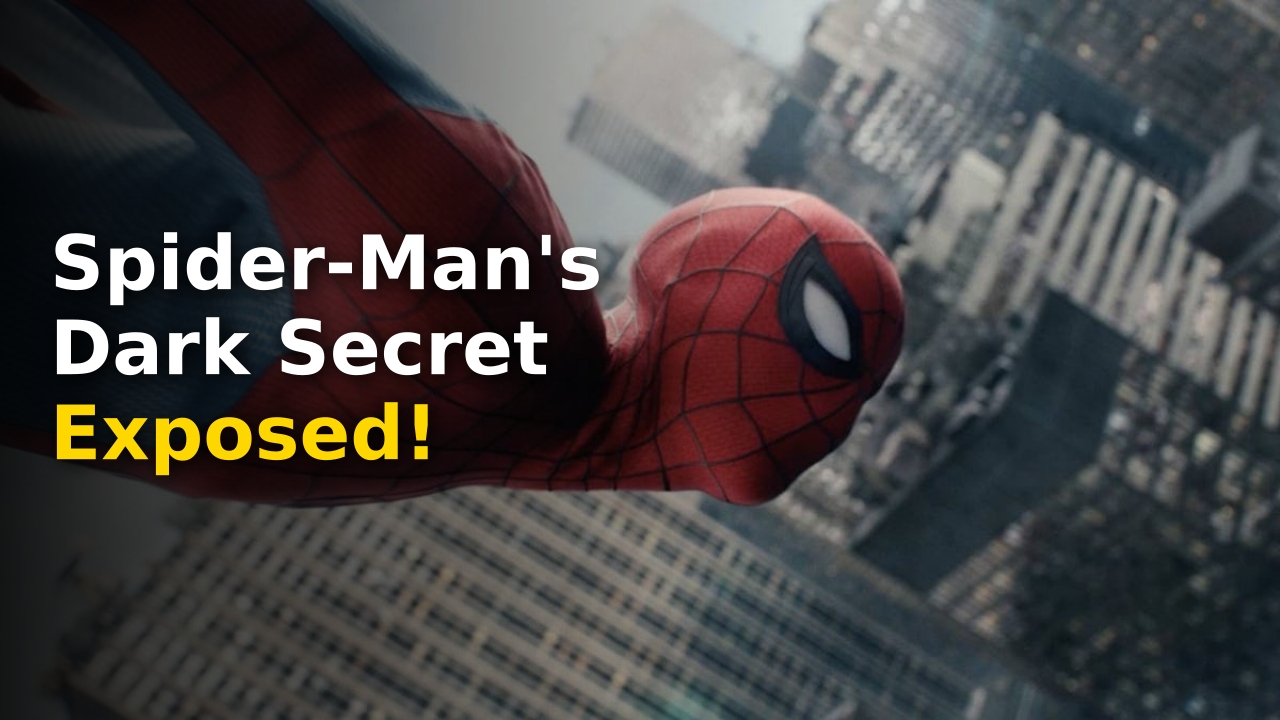
Superhero Sin is a term that many Marvel fans are grappling with after the theatrical release of Spider-Man: Brand New Day. You might remember the days when your favorite wall-crawler was just a kid from Queens trying to pay rent and save kittens. Those days feel like ancient history now that Tom Holland has fully embraced the high-tech, militarized world of the Avengers.
You are likely wondering how the friendly neighborhood hero transformed into a surveillance state operative. The shift has been gradual, starting back in 2016 when Robert Downey Jr. first recruited the teenager for a global brawl. Since then, the connection between Peter Parker and the military-industrial complex has only tightened, leading to a massive moral crisis in the latest film.
Critics are now pointing out that the MCU has fundamentally changed what it means to be a hero. Instead of relying on his spider-sense and physical prowess, the modern Spidey uses billion-dollar tech to solve his problems. This evolution has sparked a heated debate about the ethics of vigilante justice and the erosion of personal privacy in the digital age.
The Dark Superhero Sin Explained
The core of this Superhero Sin revolves around the absolute lack of accountability regarding the use of advanced surveillance technology. In the recent film, Tom Holland uses a system to track every single person in New York City without a second thought. This isn’t the behavior of a hero who values the autonomy of the citizens he is sworn to protect.
When Stan Lee and Steve Ditko created the character, he was the ultimate underdog. He faced financial struggles and social isolation while balancing his duties as a protector. Now, he has access to global satellite networks and weaponized drones that would make a dictator blush. The film treats this breach of privacy as a convenient plot device rather than a grave moral error.
You see this play out when Peter Parker hacks into the city’s camera network to find Jean Grey. Even when a detective informs him that what he is doing is strictly illegal, the movie moves on without a single moment of reflection. It suggests that if the stakes are high enough, your rights as a private citizen simply do not matter to the superheroes in charge.
This shift reflects a broader trend in the Marvel Cinematic Universe toward normalizing state-sanctioned violence. Characters like Captain America and The Winter Soldier have grappled with authority, but Spidey seems to accept it unconditionally. This creates a disconnect between the character’s “everyman” roots and his current status as a tech-heavy enforcer.
The irony is that the films often ignore the consequences of these actions on the average person. While the spectacle of the action sequences is impressive, the underlying message is increasingly authoritarian. If the most relatable hero in the franchise is okay with mass surveillance, what does that say about the genre as a whole?
Fans are beginning to miss the grit and grounded nature of the original trilogy directed by Sam Raimi. In those films, the stakes were personal and the technology was limited to what a student could build in a garage. Today’s Spidey is a far cry from the hero who struggled to deliver pizzas on time while saving the world.
Modern Surveillance Issues
- The use of Stark Industries satellites to monitor civilian movements in real-time.
- The introduction of lethal combat modes in suits designed for a teenage hero.
- Total lack of civilian oversight regarding the use of biometric tracking data.
- Collaboration with police departments that bypass traditional warrants and legal procedures.
- Normalization of “pre-crime” logic where tech predicts threats before they happen.
Spider-Man Tech Evolution Analysis
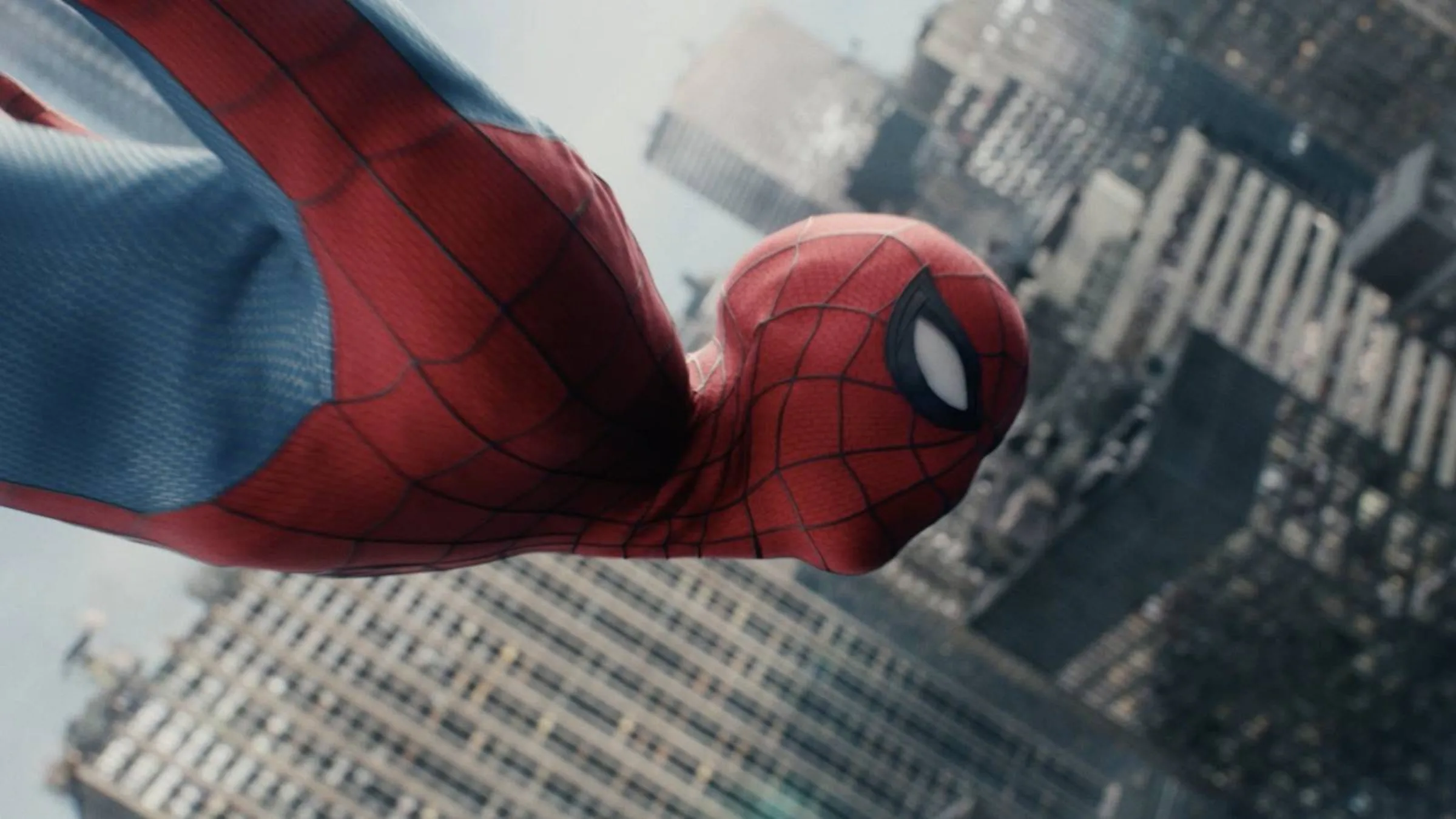
The evolution of the technology used by Peter Parker is a primary driver of this Superhero Sin. Starting with the suit gifted by Tony Stark in 2017, the character moved away from his homemade aesthetics. That first suit featured an AI named Karen and hundreds of web combinations that felt like toys but functioned like weaponry.
By the time Avengers: Infinity War hit theaters in 2018, Spidey was wearing the Iron Spider armor. This suit allowed him to survive in space and featured mechanical limbs for enhanced combat. While cool to watch, it signaled the end of the character’s reliance on his own biological gifts and ingenuity. He became an extension of the Stark brand rather than an independent operator.
In Far From Home, the introduction of the E.D.I.T.H. glasses took things to a dangerous new level. These glasses gave Peter Parker control over a massive drone fleet capable of surgical strikes anywhere on Earth. The film attempted to show his discomfort with this power, but he ultimately used it to resolve the conflict, validating its existence in the process.
Compare this to the history of Spider-Man in cinema where the focus was always on the person behind the mask. Earlier versions of the character had to use their wits to outsmart villains like Green Goblin or Doctor Octopus. Now, the solution to almost every problem involves a firmware update or a new gadget from a laboratory.
The recent entry, Brand New Day, doubles down on these tropes by making surveillance a core part of the hero’s toolkit. Instead of patrolling the streets and listening for trouble, he sits behind a screen and filters through data. This removes the “neighborhood” aspect of the character and turns him into a digital ghost haunting the city’s infrastructure.
You can find more analysis on how these changes affect the fan base by checking out the latest celebrity news and rumors online. Many long-time readers of the comics feel that the MCU has lost the heart of what made Spider-Man special. The focus on high-stakes global threats has stripped away the local charm of the character.
Comparing Cinematic Justice Models
| Movie Title | Primary Tech Used | Privacy Violation Level | Moral Conflict |
|---|---|---|---|
| Spider-Man (2002) | Organic Webs | None | High |
| The Dark Knight (2008) | Sonar Cellphone Hack | Extreme | Severe |
| Far From Home (2019) | Satellite Drones | High | Moderate |
| Brand New Day (2024) | NYC Camera Access | Extreme | None |
The table above highlights how the treatment of technology has shifted over the decades. In The Dark Knight, Christian Bale‘s Batman used a sonar system that was framed as a dangerous overreach. His closest ally, Lucius Fox, threatened to quit because the technology was too invasive for one man to hold. This created a tension that forced the audience to question the hero’s methods.
In contrast, Tom Holland‘s character in Brand New Day faces zero pushback for similar actions. The film presents the hacking of thousands of cameras as a logical and efficient way to catch a criminal. It ignores the fact that thousands of innocent people are being recorded and analyzed without their consent in the process.
This lack of conflict is what makes the current situation a Superhero Sin of the highest order. When movies stop questioning the use of power, they become tools of propaganda rather than stories about human morality. You are watching a hero transform into a system, and the system is never wrong in the eyes of the writers.
Even the character of Jean DeWolff, played by a talented newcomer, fails to provide the necessary moral friction. In the comics, she was a complex figure who balanced her duty as a cop with her respect for the web-slinger. In the film, she essentially becomes a handler for a high-tech asset, reinforcing the idea that the hero is just an extension of the police force.
This mirrors real-world concerns about the militarization of police departments across the United States. The use of Flock traffic cameras and facial recognition software is a major point of contention in 2024 and 2025. By having a beloved figure like Spider-Man use these tools uncritically, the films subtly endorse their use in reality.
The MCU has always had a cozy relationship with authority, but this latest chapter feels different. It lacks the self-awareness found in earlier phases where the Sokovia Accords forced heroes to pick sides. Now, there is only one side: the side with the most data and the biggest drones.
The Future Of The Superhero Sin
As we look toward the future of the franchise, one has to wonder if Marvel Studios will ever course-correct. The Superhero Sin of privacy violation is baked into the character’s current DNA. To fix it, the writers would need to strip Peter Parker of his resources and force him back into the streets of Queens.
There is hope that the next trilogy will focus on a more grounded version of the hero. After the events of No Way Home, Peter Parker was left with nothing—no friends, no tech, and no Tony Stark. It was the perfect setup for a return to form, but Brand New Day seems to have skipped over that opportunity in favor of more spectacle.
The box office numbers for these films remain high, with Spider-Man being a multi-billion dollar asset for Disney and Sony. This financial success often discourages creative risk-taking. If the current formula makes money, there is little incentive to explore the dark underbelly of the hero’s new methods or the ethical ramifications of his technology.
You, as a viewer, have the power to demand better storytelling that respects the core values of these characters. Spider-Man should be a symbol of hope and individual responsibility, not a mascot for a surveillance state. The balance between power and responsibility has been tilted too far toward power, and it is time for the responsibility to catch up.
As the MCU moves into Phase 6 and beyond, the stakes will only get higher. With rumors of a new Avengers film featuring Tom Holland in a leadership role, the tech will likely become even more pervasive. We can only hope that the filmmakers rediscover the humanity that made Peter Parker the most popular hero in the world.
Ultimately, the Superhero Sin is not just about the cameras or the drones; it is about the loss of empathy. When a hero stops seeing the people they protect as individuals with rights and starts seeing them as data points, the magic of the story is lost. Let’s hope the friendly neighborhood returns to being just that: a neighbor, not a monitor.
More Like This
For more updates, check out our latest entertainment and sports news.