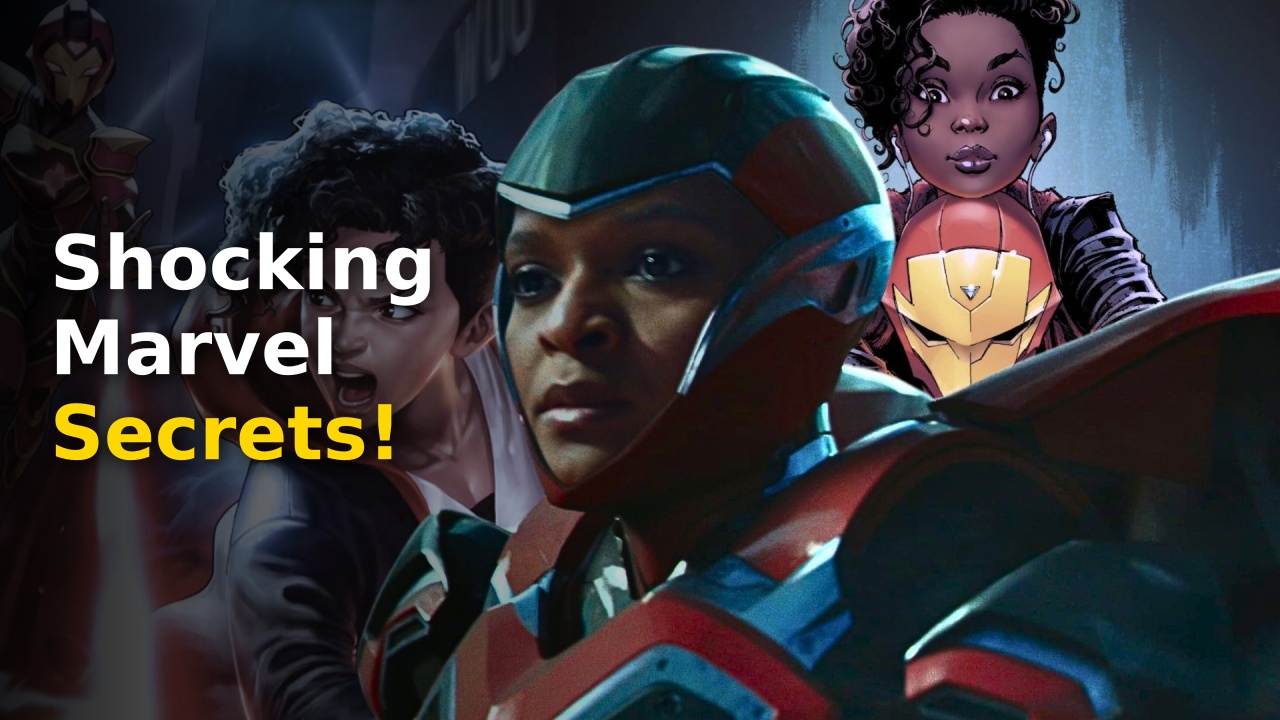
Have you ever wondered why your favorite new Marvel Heroes are suddenly vanishing from comic book shelves without a trace? You invest your hard-earned cash and emotional energy into incredible fresh storylines, only to see these rising stars get locked in a publishing vault. It is a frustrating cycle that leaves passionate comic book collectors wondering if the modern industry has lost its courage to innovate.
The legendary publishing house has thrived for over eighty years by constantly reinventing its massive universe. In the past, legendary creators at Marvel Comics successfully birthed generations of iconic figures. From the early days of romance and horror in the 1950s to the groundbreaking superhero revolution of the 1960s, the company has always relied on fresh talent to survive.
These fresh Marvel Heroes represent the lifeblood of Earth-616, yet they are systematically pushed to the margins. While legacy heavyweights keep hogging the spotlight, brilliant new creations are left starved of oxygen. Let us dissect the shocking reasons why the industry is actively burying its most promising modern creations.
New Marvel Heroes Ignored
For generations, the marvel universe survived by constantly refreshing its ranks with exciting new blood. When creators first introduced revolutionary teams in the past, they did so with a clear, long-term plan to elevate them. Today, newly introduced Marvel Heroes are facing an incredibly steep uphill battle just to remain relevant in monthly print runs.
Classic powerhouses like Tony Stark, Bruce Banner, and Logan have dominated comic book covers for over six decades. While these iconic figures continue to generate millions of dollars in licensing fees, their eternal dominance leaves very little room for fresh faces. The crowded landscape of modern publishing means dozens of spectacular new characters get pushed to the side every single year.
Consider the tragic fate of the groundbreaking young avengers initiative, which first exploded onto the comic scene in 2005. This brilliant squad of legacy figures was specifically designed to eventually replace the core avengers lineup. Figures like Patriot, Stature, and the twin magic-wielders Wiccan and Speed instantly captured the hearts of millions of readers.
Legacy Team Struggles
- The Young Avengers: Once hailed as the future of the franchise, this stellar team has been criminally underutilized in recent years.
- The Runaways: Created by industry legend Brian K. Vaughan in 2003, this beloved group of teenage runaways has slowly faded into obscurity.
- Avengers Academy: Launched in 2010, this brilliant training initiative showcased a generation of traumatized young metas who have since vanished.
- The Initiative: A massive post-Civil War program that generated dozens of unique characters who now serve as background filler.
Only a tiny handful of these prospective Marvel Heroes have managed to escape the editorial graveyard to achieve lasting popularity. Kate Bishop still enjoys a healthy presence thanks to her solo adventures and her major MCU debut. Meanwhile, the powerful goth witch Nico Minoru has carved out a unique niche within the supernatural and horror divisions of the publisher.
But for every breakout star like Nico, there are dozens of fascinating characters who completely disappear after their initial series wraps. Readers are left holding the bag, wondering why they should invest their time and money in new stories. It creates a cynical cycle where fans refuse to buy new titles because they expect them to get canceled.
This collective editorial hesitation actively damages the artistic growth of the entire comic industry. By refusing to let these young characters take meaningful center-stage roles, the publisher risks becoming a creative museum. The balance between comforting nostalgia and daring modern storytelling has never felt more dangerously out of whack.

The Generational Passing Curse
In the late 2010s, editorial leadership decided to pivot away from large team books to focus on individual character hand-offs. The grand strategy involved directly replacing veteran Marvel Heroes with fresh, younger legacy counterparts. This controversial creative experiment yielded wild, highly unpredictable results across the entire publishing catalog.
We saw magnificent, historic triumphs during this period that forever altered the landscape of modern pop culture. The teenage sensation Kamala Khan became a global icon as the new Ms. Marvel, capturing the hearts of millions. Simultaneously, the brilliant young hero Miles Morales proved that the Spider-Man mantle was large enough for two legendary web-slingers.
However, this aggressive replacement strategy also produced several high-profile failures that burned cautious comic book fans. For instance, the super-genius teen Amadeus Cho was heavily pushed as the new iteration of the Hulk under the name Brawn. Despite years of solid creative backing, traditional fans consistently demanded the return of the classic rage-monster Bruce Banner.
The Legacy Copycat Trap
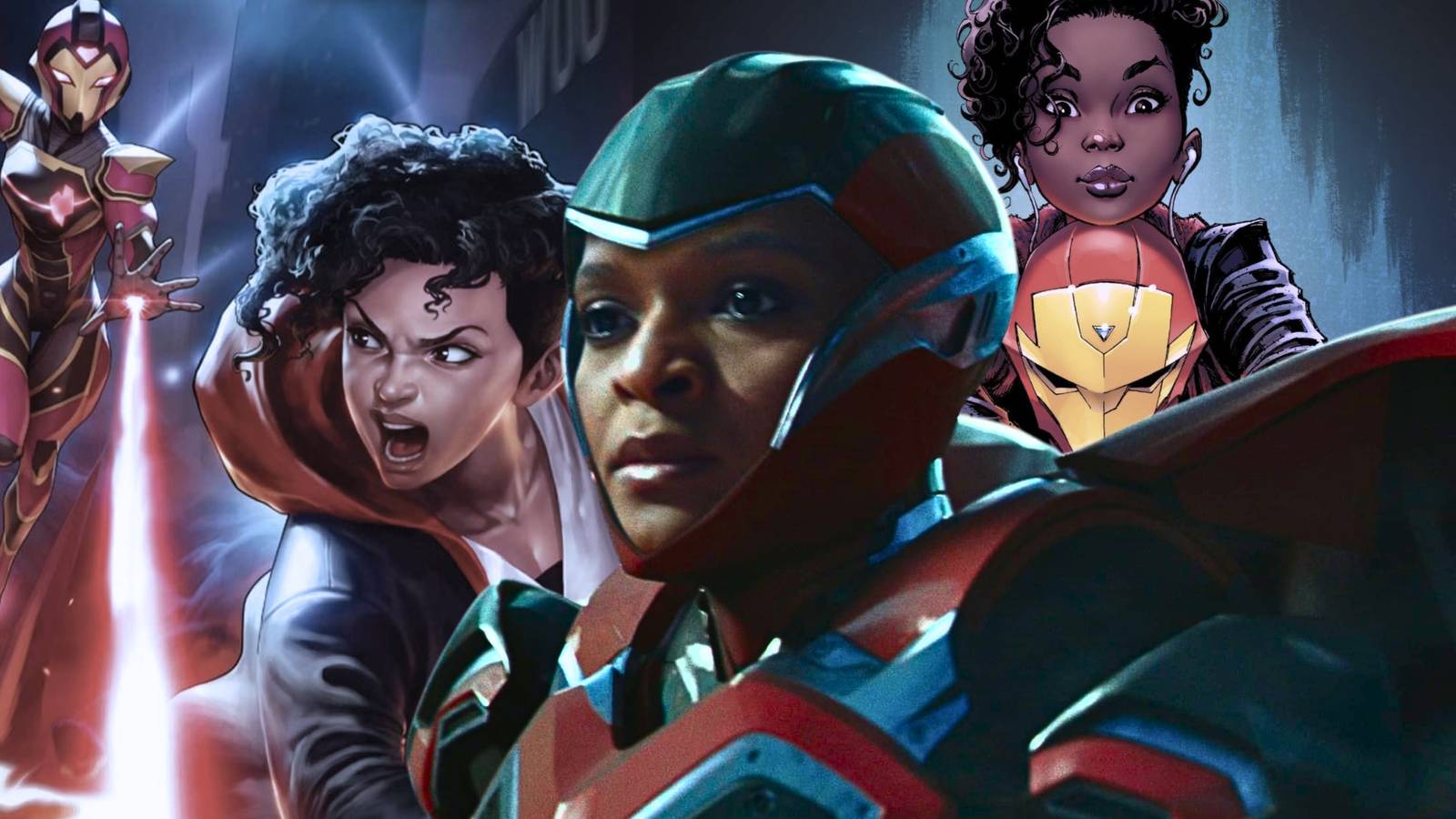
- Ironheart (Riri Williams): The young tech prodigy who built her own armor in 2016 but struggled to escape Iron Man’s shadow.
- X-23 (Laura Kinney): Wolverine’s brilliant clone who briefly wore the yellow suit but was eventually pushed back to make room for Logan.
- Viv Vision: The synthezoid daughter of Vision who possessed massive emotional depth but was quickly relegated to background panels.
- Brawn (Amadeus Cho): A brilliant legacy hero who lost his unique identity when he was forced into the classic green powerhouse role.
This pattern shows that simply slapping a legendary superhero name onto a new character rarely guarantees long-term commercial success. Fans are incredibly smart and can easily spot when a publisher is trying to force a shallow brand replacement. When a new character feels like a watered-down duplicate, the audience will naturally reject them in favor of the original.
Instead of investing in completely fresh intellectual properties, the company frequently relies on these safe, derivative legacy formulas. When these legacy Marvel Heroes fail to match the massive sales of their predecessors, editorial teams immediately panic. They default back to the classic 1960s icons, reinforcing the idea that new ideas cannot survive.
The tragic irony is that readers are actively begging the industry for truly original concepts and fresh character designs. If the company wants to successfully pass the torch, they must commit to completely unique characters who stand on their own. They must abandon the safe, comfortable copycat formulas and embrace the wild, unpredictable nature of pure original creation.
Strategic Marvel Heroes Failures
In response to these legacy branding struggles, the publisher recently reverted to its classic strategy of introducing new characters in large groups. This clever tactical shift gave birth to some of the most refreshing and original concepts seen in decades. However, the exact same structural issues are already beginning to choke these brilliant new properties out of the market.
We saw this exciting return to original designs with the debut of the critically acclaimed series Strange Academy in 2020. This highly engaging title, set in a magical school, focused on creating completely original Marvel Heroes instead of lazy legacy clones. Fans fell in love with breakout stars like Doyle Dormammu, the dynamic Zoe Laveau, and the silent, mysterious Toth.
The book was a massive hit, spawning multiple spin-offs, one-shots, and the recent sister series Doom Academy. Yet, despite their undeniable popularity among hardcore comic readers, these magical students remain strictly isolated from the larger universe. They rarely interact with the major players of Earth-616, limiting their overall cultural impact.
The Magic School Quarantine
- Doyle Dormammu: The son of the dark dimension ruler who possesses incredible emotional depth but is kept far away from major events.
- Zoe Laveau: A brilliant young zombie witch who has become a fan favorite but remains locked inside school-focused titles.
- Toth: The mysterious crystalline warrior from Weirdworld whose fascinating backstory remains criminally unexplored outside of cameo roles.
- Charlie Tidwell: A highly intriguing new ally introduced in the pages of The Incredible Hulk who deserves a much larger spotlight.
This isolationist strategy creates a major roadblock for any new character trying to build a lasting fanbase. When exciting new heroes are kept locked away in their own private corners, the average comic reader assumes their stories do not matter. It sends a clear signal that these characters are merely temporary distractions rather than permanent pillars of the lore.
Meanwhile, safe, derivative copycat characters like the controversial Spider-Boy get heavily pushed across multiple major monthly titles. It highlights a frustrating double standard where genuine originality is treated as a risky gamble while copycats get the red carpet. This cautious approach actively discourages writers from pitching unique, boundary-pushing concepts to the editorial board.
If the publisher continues to run away from these creative risks, they are fated to keep outstanding Marvel Heroes trapped in eternal obscurity. The comic book medium relies on a constant, healthy cycle of innovation to keep readers engaged over multiple decades. Keeping your best new ideas under tight lock and key is a direct recipe for artistic and commercial stagnation.

Overlooked Character Performance Metrics
To truly understand the depth of this publishing crisis, we must look at the hard data behind modern character longevity. Historically, a new character’s survival depended entirely on their direct integration into the core narratives of the main universe. Today, we can track exactly how quickly new characters are cast aside once their initial promotional push ends.
By assessing how these Marvel Heroes perform over a multi-year period, we reveal a highly concerning pattern of editorial abandonment. Most newly introduced characters experience a massive surge of appearances during their first twelve months, followed by a sudden, devastating drop-off. This cliff-like decline indicates a severe lack of long-term planning from the upper editorial staff.
Let us examine the concrete numbers behind some of the most notable character introductions from the past two decades. The following comprehensive breakdown illustrates the stark contrast between successfully integrated icons and those left behind in the archives.
| Character Name | Debut Year | Original Team | Integration Level | Current Status |
|---|---|---|---|---|
| Miles Morales | 2011 | Ultimate Comics | Maximum | A-List Headliner |
| Kamala Khan | 2013 | Solo Title | Maximum | A-List Headliner |
| Nico Minoru | 2003 | The Runaways | Moderate | Cult Classic |
| Amadeus Cho | 2005 | Hulk Cast | Moderate | Support Character |
| Doyle Dormammu | 2020 | Strange Academy | Low | Quarantined |
This raw data reveals a highly telling trend that explains why so many modern characters struggle to find their footing. The absolute peak of successful integration occurred during a highly specific window when the publisher actively pushed new characters into major cross-over events. Without that essential structural push, modern heroes are virtually guaranteed to end up in the bargain bin.
This metric underscores the critical importance of keeping the lifespan of modern Marvel Heroes at the forefront of editorial strategy. When a character is allowed to consistently interact with different corners of the universe, their survival rate sky-rockets. But when they are kept locked inside an isolated bubble, their long-term viability drops to zero.
As we move deeper into the modern landscape, the financial pressure to deliver reliable hits is stronger than ever. This economic reality makes editors highly risk-averse, encouraging them to stick with what has always worked in the past. Yet, this short-term safety actively damages the long-term health of the entire intellectual property catalog.

The Bold Path Forward
If the publisher truly wants to secure its creative future, they must abandon their timid strategies and make some incredibly bold choices. They must stop hiding their most exciting new ideas in isolated spin-off books and start throwing them straight into the fire. The key to revitalizing our beloved Marvel Heroes lies in the classic, high-risk strategies of the past.
This means taking these highly original young characters and immediately placing them on the premier, heavy-hitting superhero teams. Do not relegate them to the Young Avengers, the Champions, or any other junior varsity squad. Throw them straight into the main Avengers roster alongside titans like Thor, Carol Danvers, and Captain America.
We are already seeing a spectacular modern example of this highly aggressive strategy working with the character Bloodline. As the daughter of the iconic vampire hunter Blade, she was immediately thrown into major, universe-altering crossover events like the massive Blood Hunt saga. Because she was supported by established veterans, the audience quickly accepted her as a major player.
Key Steps to Save New Characters
- Direct Avengers Integration: Place young heroes directly on the main roster to give them instant prestige.
- Major Event Cross-overs: Stop shielding new characters from massive, universe-defining summer events.
- Veteran Mentorship Programs: Pair fresh faces with iconic legends to build organic, emotional bridges for legacy readers.
- Ditch the Copycat Formula: Commit fully to entirely original power sets and backstories instead of lazy legacy hand-offs.
For more insights into your favorite cinematic adaptations, check out the latest pop culture analysis and celebrity updates. This type of deep integration is exactly how previous generations of heroes managed to secure their place in the hearts of millions. It requires genuine courage from the editorial board, but the potential creative rewards are absolutely limitless.
By maintaining Marvel Heroes in a state of perpetual safety, the publisher is actively doing them a massive disservice. If you never let a character bleed, struggle, or make massive mistakes on the grandest stage, the audience will never truly care about them. It is time to officially pass the torch, step back, and watch these brilliant new creations fly or fall on their own merits.
Will the editorial board finally muster up the courage to let their best new designs shine on Earth-616, or are we doomed to watch history repeat itself? Only time will tell if your favorite new Marvel Heroes will get the legendary spotlight they so desperately deserve.
More Like This
For more updates, check out our latest entertainment and sports news.