Key Takeaways
| James Holeman uses a 1994 Japanese fire truck as his daily driver in Silver City. |
| Kei trucks are limited to 660cc engines and compact dimensions under 11 feet long. |
| Total investment for the vehicle including shipping was approximately 9,000 dollars. |
| US import regulations allow vehicles 25 years or older to bypass federal safety standards. |
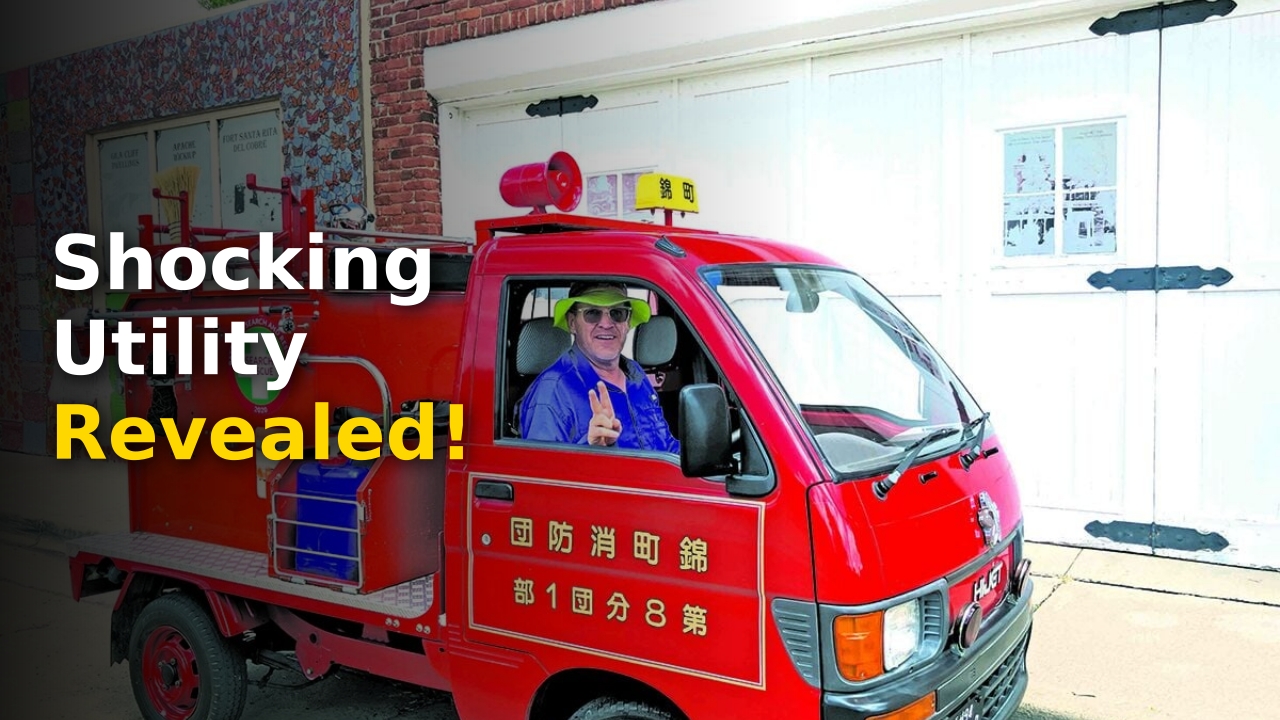
You might think driving a 1994 fire truck is a novelty, but for James Holeman, his Japanese kei truck has become the ultimate daily driver for life in Silver City. Trading his high-maintenance Prius for a compact, utility-focused import, Holeman has discovered that these miniature workhorses offer unparalleled practicality for local errands and community outreach.
The shift toward unconventional, fuel-efficient transportation is gaining traction across the United States. While most drivers opt for SUVs and heavy-duty trucks, enthusiasts are increasingly looking toward the Japanese domestic market for vehicles that blend historical charm with surprising everyday utility.
The Appeal of a Japanese Kei Truck Daily Driver
Defining a Japanese kei truck requires looking at the strict engineering constraints mandated by Japanese law. These vehicles must feature engines no larger than 660cc and maintain a compact footprint, making them ideal for narrow urban environments. For Holeman, whose previous experience includes owning various government-surplus vehicles, the build quality of his 1994 fire truck was the primary draw.
Unlike modern vehicles packed with complex electronics, these machines are overbuilt with heavy-duty components designed for longevity. The truck, affectionately named Chile-P, serves as a testament to the reliability of Japanese engineering, even after decades of service in the Nishiki Town Volunteer Fire Brigade. Its manual transmission and rugged 4WD system offer a driving experience that feels both analog and rewarding.
Transitioning from a Ford Raptor—which he reserves for serious search and rescue operations—to this daily driver provides Holeman with a distinct sense of balance. The truck, which returns roughly 35 miles per gallon, offers a stress-free alternative for grocery runs and local social events. It represents a shift away from excessive consumption toward intentional, compact living.

The social impact of the vehicle cannot be understated. Holeman uses the truck to promote his non-profit, Battalion Search and Rescue, which has identified over 100 sites containing human remains in the borderlands. By turning his commute into a conversation starter, the truck has bridged the gap between his high-stakes mission and the local community.
Why Enthusiasts Choose Kei Trucks
- Exceptional fuel efficiency for local stop-and-go driving.
- Compact dimensions that make parking in tight spaces effortless.
- Historical appeal and unique design aesthetics compared to domestic models.
- Mechanical simplicity allows for easier DIY maintenance and repairs.
Economic and Legal Requirements for Import
Acquiring a daily driver like the Chile-P is not as simple as visiting a local dealership. Because these vehicles do not meet current U.S. Federal Motor Vehicle Safety Standards or EPA emission requirements, buyers must rely on the 25-year import exemption rule. Navigating these laws requires diligence, as state registration varies significantly across the country.
For those interested in following in Holeman’s footsteps, understanding the financial breakdown is critical. The initial cost for the vehicle was approximately 7,000 dollars, with an additional 2,000 dollars required for logistics and shipping. This total investment of 9,000 dollars is a fraction of the price of a modern new vehicle, offering significant value for a specialized, highly durable machine.
| Category | Specification/Data |
|---|---|
| Purchase Price | ~7,000 USD |
| Shipping Costs | ~2,000 USD |
| Engine Size | 660cc |
| Fuel Economy | 35 MPG |
| Import Exemption | 25 Years |
Technical Insight and Real-World Usage
Holeman’s daily driver provides a masterclass in vehicle utility. While many might strip the fire apparatus to create a flatbed, Holeman kept the equipment, appreciating the history and utility it provides. The storage space underneath the rear seat is perfectly sized for water jugs and groceries, proving that these micro-trucks were designed with actual labor in mind.
Shifting the five-speed manual transmission in a right-hand drive configuration required a period of adjustment for the 6-foot-2 owner. Holeman noted that treating the truck like a toy—rather than a powerful highway vehicle—changed his entire driving perspective. This mindset shift is common among owners of Japanese classics who value the tactile interaction of the machine over raw horsepower.

Background and Community Impact
The history of the Chile-P extends back to Kumamoto Prefecture, where it served as a front-line response vehicle for the Nishiki Town Volunteer Fire Brigade. It was never intended as a novelty item, but rather as a functional tool for a small community. Today, it serves a similar purpose in Silver City, acting as a gateway for civic engagement and public interest.
Holeman’s deep commitment to Battalion Search and Rescue highlights a different side of the coin. The high-stress, somber nature of his volunteer work requires moments of levity. By integrating the truck into his advocacy, he has found a way to honor the vehicle’s past while securing its future as a community asset.
People Also Ask
Why is the Japanese kei truck gaining popularity in the US?
Drivers are increasingly seeking fuel-efficient, compact, and unique vehicles that offer mechanical simplicity and historical charm, which kei trucks provide in abundance.
Can I legally drive a kei truck on all US roads?
Registration laws vary significantly by state. While some allow them for local use, others like California and New York restrict or ban them, and many states prohibit them from high-speed interstates.
What is the age requirement for importing a kei truck?
To bypass federal safety standards, the vehicle must be at least 25 years old. For EPA emissions standards, the exemption typically applies to vehicles 21 years or older.
How does James Holeman use his truck for rescue work?
Holeman uses the truck as a promotional vehicle for his non-profit, Battalion Search and Rescue, using it to attract attention at events and facilitate community conversations.
The Future of the Kei Truck Trend
As the automotive landscape shifts toward sustainability and smaller footprints, the Japanese kei truck stands out as an unlikely hero. Whether you are a car enthusiast looking for a project or someone searching for a highly efficient daily driver, these vehicles offer a unique solution to modern mobility challenges. Visit Bright Celebrity for more stories on unique automotive trends.
For owners like James Holeman, the value is not just in the low fuel costs or the compact size. It is about the connection to the history of the machine and the conversations it creates within his own community. As long as these 25-year-old imports remain legally accessible, you can expect to see more of these little red trucks on American streets, turning heads and serving a big purpose.
More Like This
For more updates, check out our latest entertainment and sports news.