Key Takeaways
| Dopamine Dampening: GLP-1 receptor agonists target the brain’s mesolimbic pathway to turn down the biological reward of addictive substances. |
| Significant Reductions: Clinical evidence points to a massive decline in cravings for alcohol, nicotine, and opioids during therapy. |
| Neurological Reset: Modern neuroscience shows these weight-loss medications actively heal neurochemical imbalances in the ventral tegmental area. |
| Public Health Paradigm: Experts forecast that integrating GLP-1 therapies into standard recovery protocols could reshape global rehabilitation methods. |
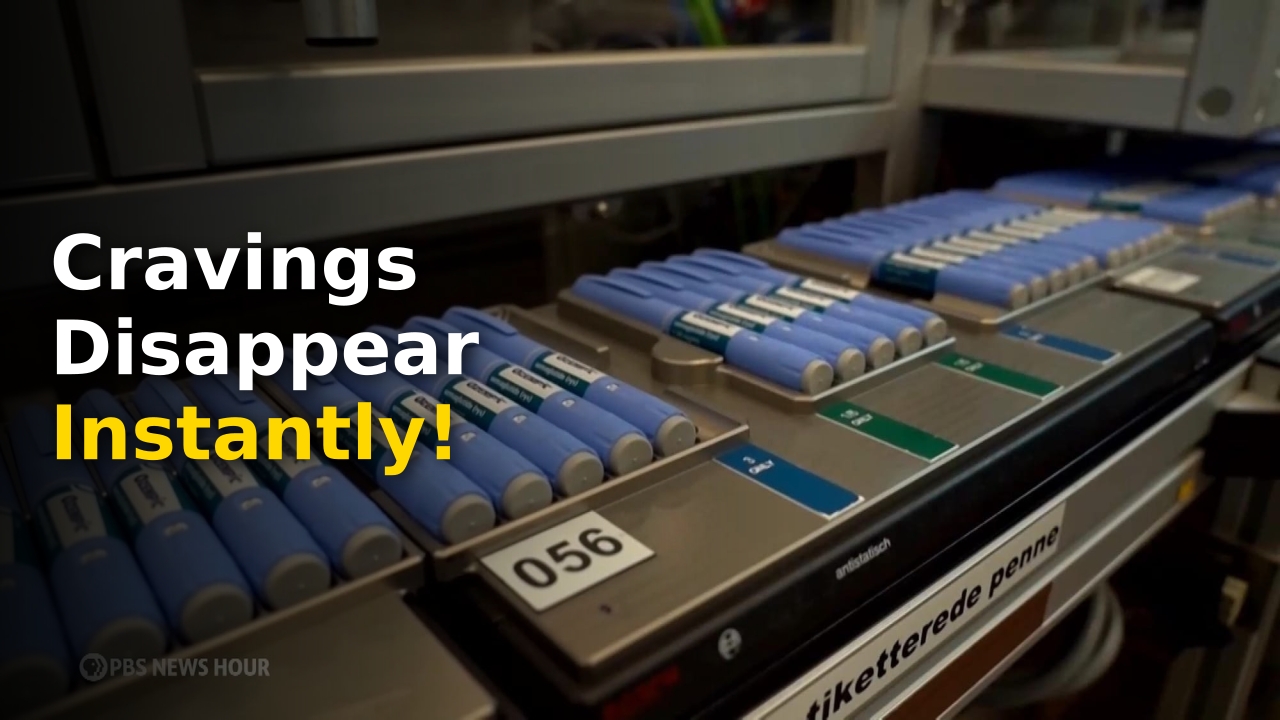
You might find it hard to believe that the world’s most famous weight-loss medication is now conquering a different kind of biological hunger, but GLP-1 addiction treatment is officially the most promising neurological medical breakthrough of 2026.
For decades, medical professionals have struggled to find effective pharmacological shields to protect patients from the devastating, obsessive pull of chemical dependency.
As clinical trials produce staggering biological evidence, the line between metabolic regulation and mental health recovery is fading fast, offering fresh hope to millions globally.
Overcoming Cravings with GLP-1 Addiction Treatment
The pharmaceutical industry is experiencing a profound shift as researchers discover that medications designed for metabolic control have powerful neurological benefits.
Millions of people are already familiar with the remarkable glycemic control offered by modern glucagon-like peptide-1 receptor agonists.
However, the real magic of GLP-1 addiction treatment occurs deep within the complex neural networks of the human brain, rather than the digestive tract.
Neurologists at major research institutions like Harvard Medical School and Yale University are aggressively exploring how these medications impact addiction pathways.
By binding to specific receptors in the central nervous system, these therapeutic compounds alter the neurological signals that dictate compulsive substance seeking.
This means that people struggling with chemical dependency might soon have access to a physiological tool that dramatically weakens the temptation to relapse.
The Dopamine Connection
To understand this clinical phenomenon, one must look closely at how the human brain processes chemical pleasure and reward cycles.
Whenever a person consumes alcohol, nicotine, or illicit stimulants, their brain experiences an immediate, unnatural flood of the neurotransmitter dopamine.
This rapid chemical surge creates an intense feeling of euphoria, which the brain desperately wants to replicate through repeated behavior.
By introducing a GLP-1 receptor agonist, medical professionals can effectively capsulate this dopamine spike, keeping it within normal parameters.
Without the subsequent euphoric rush, the behavioral association between the substance and the reward begins to wither away.
Consequently, patients find themselves experiencing a profound, quiet relief from the persistent mental noise of chronic cravings.
Clinical Evidence in 2026
Recent human studies published in prestigious medical journals confirm these scientific theories with concrete, objective patient data.
Researchers observed that patients taking semaglutide for metabolic health unexpectedly stopped their heavy weekend drinking habits altogether.
This led to the fast-tracking of target trials specifically evaluating the medication’s direct impact on severe alcohol use disorder.
Early data shows a dramatic drop in heavy drinking days, with some cohorts reporting a total cessation of alcohol interest.
These astonishing clinical findings are encouraging addiction clinics around the country to adopt these medications as off-label therapeutic options.
As a result, the medical community is moving away from purely behavioral models toward comprehensive, neurochemical recovery programs.

Brain Rewiring and Neurological Impact
The mesolimbic dopamine pathway is often described by medical professionals as the fundamental reward superhighway of the human body.
Under normal, healthy conditions, this pathway rewards basic survival actions such as consuming nutritious food and forming social connections.
Addictive chemical substances essentially hijack this delicate system, demanding larger and more frequent dopamine releases to feel basic satisfaction.
By reinforcing GLP-1 receptors, modern healthcare providers can gently downregulate the hyper-excited state of these critical pathways.
This neurological stabilization allows the brain’s neurochemistry to recover from the chronic inflammation caused by substance abuse.
Over time, patients undergo a profound neural remodeling process, returning their baseline reward thresholds to highly stable levels.
By the Numbers: A massive cohort study recorded in the National Institutes of Health clinical trials database evaluated over 83,000 patients with chronic substance use disorders. Researchers discovered that patients utilizing GLP-1 therapies had a 50% lower rate of alcohol-related hospitalizations compared to control groups. This real-world evidence highlights the incredible public health potential of integrating these metabolic compounds into psychiatric recovery programs.
Landmark Studies on Substance Use Disorders
The clinical application of GLP-1 medications extends far beyond alcohol, showing immense promise for nicotine and opioid dependencies.
Medical research teams are actively exploring how these therapeutic tools can help patients safely detoxify from dangerous substances.
By targeting the root neurochemical pathways, physicians can minimize both the physical and psychological pain of substance withdrawal.
This comprehensive clinical approach is completely redefining the traditional standards of long-term substance rehabilitation therapies.
The following detailed comparison table illustrates the current clinical efficacy of GLP-1 interventions across various substance categories:
As detailed in Wikipedia’s entry on GLP-1 receptor agonists, these metabolic modulators exert a profound systemic influence over multiple neurological feedback loops.
This systemic reach explains why a single class of medication can treat seemingly unrelated clinical conditions like obesity and chronic alcoholism.
Scientists are highly optimistic that future chemical adjustments will yield even more target-specific molecules for psychiatric care.
Until then, the strategic use of existing medications continues to deliver incredible life-saving benefits to clinical patients.
Real World Impact on Public Health
The ongoing substance abuse crisis continues to strain community healthcare resources and emergency rooms across the United States.
Developing an accessible, highly effective outpatient pharmaceutical treatment option could dramatically lower societal healthcare costs.
When patients receive medical assistance that actively targets their biological cravings, their long-term recovery rates improve significantly.
Health insurance providers are closely evaluating these clinical developments, hoping to offset the massive costs of emergency medical services.
By integrating advanced metabolic science, public health officials can approach substance use disorders as chronic, treatable physical conditions.
Patients seeking to optimize their recovery protocols can explore exclusive health and wellness news to stay updated on clinical advancements.
Adopting comprehensive medical strategies alongside modern lifestyle therapies ensures that the body heals in unison with the mind.

As public figures share their personal battles, the discussion surrounding celebrity recovery journeys helps destigmatize the vital use of pharmaceutical support.
This growing cultural shift is encouraging more people to seek professional medical intervention without fear of social judgment.
With science and society moving in harmony, the path toward sustainable global recovery is becoming increasingly achievable.
People Also Ask
What is the current status of GLP-1 addiction treatment?
Currently, GLP-1 addiction treatment is undergoing several Phase II clinical trials globally. While physicians frequently prescribe these medications off-label, formal FDA approvals for psychiatric indications are anticipated within the next few years.
How do Ozempic and Wegovy stop alcohol cravings?
These medications interact directly with GLP-1 receptors located in the brain’s reward centers. By moderating the typical dopamine spikes associated with drinking, they dramatically decrease the biological desire and urge to consume alcohol.
Are clinical trials active for GLP-1s and drug abuse?
Yes, numerous clinical trials are currently active to examine the effects of semaglutide and tirzepatide on cocaine, nicotine, and opioid dependencies. These research studies are closely monitored by leading international health organizations.
What are the side effects of using GLP-1s for addiction?
Common side effects include mild nausea, gastrointestinal discomfort, and decreased overall appetite. Most patients report that these symptoms diminish over time as their bodies adjust to the therapeutic dosage.
Shifting the Paradigm of Recovery
The medical landscape is witnessing an extraordinary evolution in how society understands and treats substance use disorders.
By treating chemical dependency as a primary neurological condition, we can dismantle the damaging stigma that has hindered patient recovery for generations.
As researchers continue to compile clinical data, GLP-1 addiction treatment stands at the very absolute forefront of this therapeutic revolution.
This innovative approach is poised to change the recovery narrative from raw willpower to comprehensive neurological healing.
By giving patients the biological support they deserve, we are opening the door to a healthier, more compassionate future for global medicine.
More Like This
For more updates, check out our latest entertainment and sports news.