Key Takeaways
| Player Status: Veronica Burton confirmed she is completely healthy and available after leaving Game 1. |
| Coaching Strategy: Head Coach Natalie Nakase opted for caution, relying on backup Kaitlyn Chen’s stellar performance. |
| Depth Advantage: Golden State boasts a fully healthy 12-player roster, whereas Las Vegas faces major injuries. |
| Opponent Woes: Aces guard Jewell Loyd is doubtful for Game 2, compounding absences of Jones and Gray. |
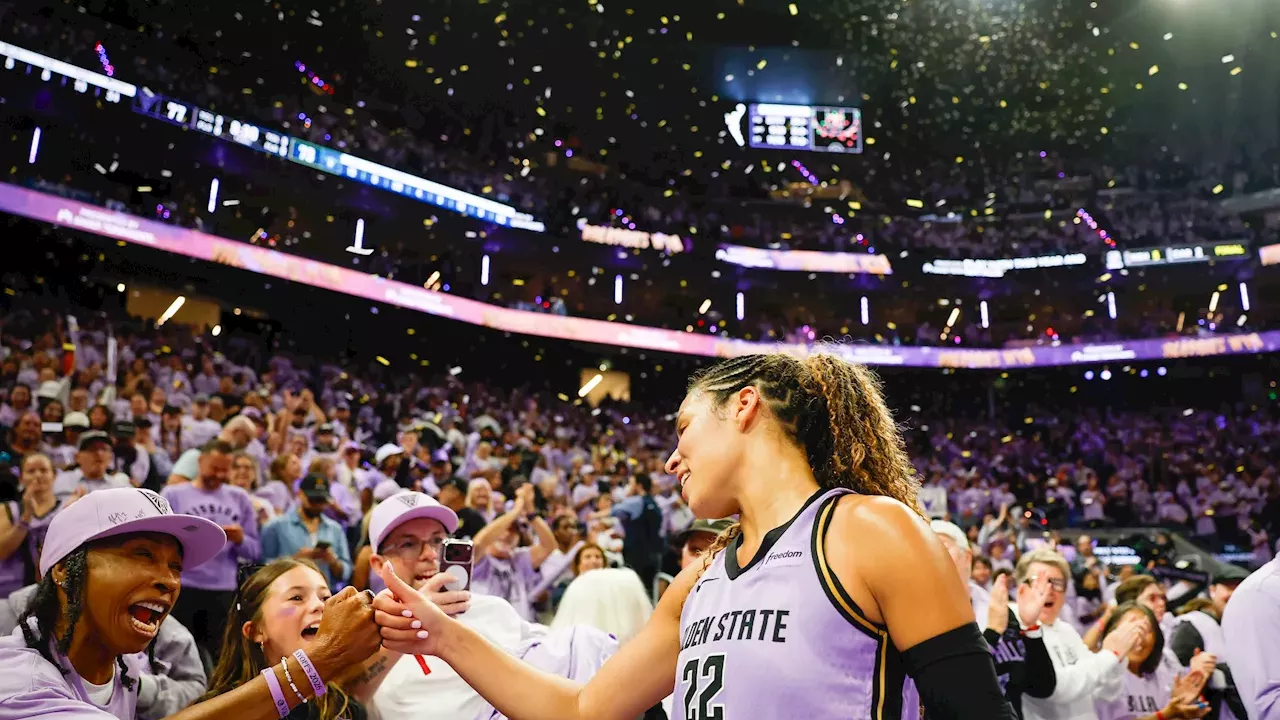
Following a tense scare in San Francisco, the latest Veronica Burton Injury update brings massive relief to Golden State Valkyries fans as the star guard declared herself fully healthy and ready for action. You might have watched in absolute agony as she exited late in the third quarter of Game 1, fearing the worst for Golden State’s postseason aspirations. However, the resilient playmaker has put those concerns to bed, confirming she was ready to play the entire second half if called upon. This development completely reshapes the landscape of the 2026 WNBA playoff series at Chase Center, where the Valkyries look to assert their dominance.
As a premier contender, Golden State’s championship hopes rest heavily on maintaining a healthy backcourt rotation. Burton’s swift declaration of fitness serves as a major warning shot to their short-handed opponents, who are currently reeling from their own devastating roster issues. The initial anxiety surrounding the team’s backcourt depth has instantly dissolved into optimism. While backup guard Kaitlyn Chen performed chemistry-boosting work under pressure, having their defensive anchor back on the hardwood ensures the Valkyries retain their elite defensive identity. Let’s dive deep into what transpired on the court and analyze how this development impacts the championship race.
The physical brand of basketball showcased in the postseason means every rotational piece is magnified. For an expansion franchise aiming to shock the world, keeping their core unit intact is the difference between an early exit and a historic trophy lift. With the team now back to 100% capacity, tactical flexibility becomes their primary weapon. Audiences can expect a highly coordinated backcourt assault in the upcoming games, driven by intense defensive pressure and fast-break opportunities.
Demystifying the Veronica Burton Injury Scare
With exactly 7:29 remaining in the third quarter during Sunday’s high-stakes matchup, Chase Center fell into a collective, stunned silence. The Veronica Burton Injury occurred during a highly physical transition play, forcing her to briefly depart the team bench for medical evaluation. Fans watched with bated breath as the defensive specialist walked gingerly toward the locker room, sparking immediate panic across social media platforms. Despite her brief absence, the Golden State Valkyries displayed incredible poise, holding the Las Vegas Aces at arm’s length to secure a commanding 71-60 victory.
Yet, the post-game press conference only added fuel to the speculative fire when head coach Natalie Nakase declined to confirm whether Burton was physically available to return. This strategic silence left analysts debating her availability for the remainder of the series, creating an unnecessary air of mystery. Prior to Wednesday’s highly anticipated Game 2, Burton took the microphone herself to clear up the confusion and settle the nerves of the Bay Area faithful. When asked directly about how she was feeling, Burton responded with a bright smile, stating she was “very happy” and visibly unconcerned with her physical status.
When reporters pressed further, asking if she could have reentered the game to relieve backup guard Kaitlyn Chen, Burton replied with a definitive, “Oh yeah.” This reassuring confirmation was exactly what the organization needed as they prepare for a deep postseason run. It highlights not only her physical resilience but also the calculated restraint of the Valkyries’ coaching staff in preserving their key assets. By choosing to sit Burton, the coaching staff demonstrated that they prioritize long-term sustainability over short-term panic.
The Third-Quarter Chase Center Scare
To truly appreciate the sigh of relief echoing through Northern California, one must look at how vital Burton is to this expansion franchise’s rotation. Her sudden exit in the third quarter disrupted the team’s defensive rhythm, forcing immediate adjustments on the fly. The medical staff’s decision to take her to the back was a precautionary protocol that many misidentified as a season-threatening event. Fortunately, the training staff found no structural damage or lingering issues, allowing Burton to return to the bench before the final buzzer sounded.
Her ability to walk off the court under her own power was the first positive sign, but her pre-game comments officially closed the book on any lingering conspiracy theories. In playoff basketball, momentum can shift in a heartbeat, and an injury to a primary ball-handler can destroy a team’s offensive flow. By proving she is ready to play, Burton has restored confidence to both the coaching staff and the fans who pack the arena night after night.
Coach Natalie Nakase’s Strategic Silence
Coach Natalie Nakase is known for her tactical brilliance, and her tight-lipped post-game remarks were a classic example of playoff gamesmanship. By refusing to confirm Burton’s availability immediately after the game, Nakase kept the opposition guessing during their film study sessions. This forced the opposing coaching staff to prepare two entirely different defensive game plans for Game 2, exhausting their limited preparation time. While this strategy kept the media on its toes, it also demonstrated the supreme trust Nakase has in her medical team.
By choosing to let the bench unit finish the game, she allowed Burton valuable rest while giving secondary players crucial playoff minutes. This long-term vision is precisely what separates championship coaches from the rest of the pack. To read more about how elite coaching decisions impact major sports organizations, check out our comprehensive sports entertainment updates. Nakase’s handling of this minor crisis is a masterclass in modern sports management.
Valkyries vs Aces Game 1 Numerical Breakdown
To fully understand the tactical dynamics at play, we must analyze the numbers that defined this physical Game 1 battle. The Valkyries relied on an oppressive defense that held their opponents to just 60 points, a season-low for a team known for high-octane offense. This defensive mastery was spearheaded by Burton’s early pressure, which disrupted passing lanes and forced early turnovers before her exit.

Even with Burton sidelined for a significant portion of the second half, the bench step-up was exemplary. Golden State’s defensive rating remained elite, proving that their system is robust enough to weather temporary disruptions. This structural resilience will be incredibly important as the postseason progresses and the physical intensity of each matchup escalates. Let’s take a closer look at the key statistical comparisons from this monumental Game 1 clash at Chase Center. The data reveals a stark contrast in bench production and paint dominance, which ultimately decided the outcome.
| Statistical Category | Golden State Valkyries | Las Vegas Aces |
|---|---|---|
| Final Score | 71 | 60 |
| Bench Points | 24 | 8 |
| Turnovers Forced | 16 | 11 |
| Points in the Paint | 38 | 26 |
| Rebounds | 42 | 31 |
These numbers highlight the immense strategic depth that the Valkyries bring to the table. By dominating the rebounding battle and forcing high-quality turnovers, they limited the Aces’ transition opportunities. This allowed Golden State to dictate the pace of the game, keeping their opponents in a perpetual state of recovery. For deep analytical insights into league-wide team statistics, check out ESPN’s comprehensive WNBA coverage, which details player efficiency ratings across the postseason.
Golden State Depth vs Las Vegas Injury Woes
The stark contrast in roster health between these two heavyweights has quickly become the defining narrative of the series. While the Golden State Valkyries enjoy the luxury of having all 12 roster players active and healthy, their opponents are dealing with a devastating medical crisis. This extreme disparity in depth was on full display in Game 1 and will likely dictate the tactical adjustments for Game 2 and beyond.
For the Las Vegas Aces, the bad news keeps mounting as star guard Jewell Loyd was officially ruled out after leaving Sunday’s game with a left leg injury. Loyd’s absence deprives the Aces of their primary scoring option and perimeter orchestrator, leaving a massive void that is nearly impossible to fill. Compounding their issues, the Aces are also missing key contributors Brionna Jones and Allisha Gray, completely gutting their rotation and leaving their bench severely depleted.
To make matters worse, Aces forward Stephanie Talbot is listed as questionable with a left leg injury, while Dana Evans is deemed probable with a right knee issue. This leaves their head coach with a severely shortened bench and very few options to counter Golden State’s waves of fresh defenders. The physical toll of playing high-intensity playoff basketball with a seven-player rotation is a recipe for late-game fatigue, which Golden State will undoubtedly exploit.
Las Vegas Aces Roster Depletion
The championship pedigree of the Aces is being tested like never before under these grueling circumstances. Missing multiple All-Stars forces their remaining core, including their frontcourt leaders, to play extended, exhausting minutes. This fatigue inevitably leads to defensive lapses and lower shooting percentages as the games wear on into the fourth quarter, allowing the Valkyries to pull away late in matches.
Without Jewell Loyd to command double-teams, the Valkyries can afford to play more aggressive, pressuring defense on the perimeter. This tactical advantage allows Golden State to dictate the tempo, forcing the Aces into slow, half-court possessions that favor the Valkyries’ half-court defensive scheme. The depth disparity is not just about numbers; it is about the physical wear and tear that accumulates over a multi-game series.
The Rise of Kaitlyn Chen
Kaitlyn Chen’s performance in Game 1 was nothing short of heroic for a backup stepping into a high-pressure playoff environment. Her poise, precise passing, and timely scoring kept the offense fluid while Burton was being evaluated in the locker room. Chen’s ability to command the floor proved that she is more than capable of handling high-leverage situations, giving the coaching staff peace of mind.
This breakout performance gives Coach Nakase immense flexibility moving forward in the tournament. Even with Burton fully healthy, Chen has earned a longer leash and more significant rotational minutes, allowing the coaching staff to keep both guards fresh. This dual-threat backcourt makes the Valkyries an incredibly difficult matchup for any defensive coordinator in the league. To explore other breakthrough player performances this season, check out our exclusive athletic profiles.
The Defensive Impact of Veronica Burton
To truly appreciate why keeping Burton healthy is paramount, one must examine her specialized role as a defensive disruptor. She is the engine that drives Golden State’s full-court press, utilizing her elite lateral quickness and high basketball IQ to terrorize opposing ball-handlers. Her presence on the floor completely alters how opponents run their offensive sets, forcing them to initiate their plays much later in the shot clock.

Her defensive metrics place her among the elite perimeter defenders in the league, making her an indispensable asset in playoff basketball. Playoff series are frequently decided by half-court stops and transition points off turnovers, two areas where Burton excels at an elite level. Her quick hands and anticipation allow her to jump passing lanes, creating easy fast-break opportunities for her teammates. This defensive tenacity is what makes Golden State a nightmare matchup in a best-of-five series.
Beyond her statistical contributions, Burton brings an intense, contagious energy to the floor that elevates her teammates’ defensive intensity. When players see their point guard diving for loose balls and fighting through heavy screens, it sets a physical standard for the entire roster. This emotional leadership is a vital component of the Valkyries’ identity as a gritty, defensive-minded squad that refuses to give up easy buckets.
With a healthy Burton back at the helm, the Valkyries can comfortably execute their aggressive trapping schemes without fear of breaking down. This defensive versatility is a nightmare for short-handed teams like the Aces, who lack the ball-handling depth to handle constant pressure. Her return ensures that Golden State can keep their foot on the gas pedal as they chase a historic championship. For more information on historical games hosted at the venue, visit Chase Center’s official event archive.
By The Numbers: Burton’s Defensive Dominance
An analytical look at Burton’s on-off splits reveals her massive influence on the defensive end of the floor. When she is on the court, the Valkyries’ defensive rating improves by a staggering 6.4 points per 100 possessions. This elite metric highlights her ability to shut down primary ball-handlers and blow up pick-and-roll coverages before they can develop into scoring opportunities.
Additionally, her individual deflection rate ranks in the top five percent of the league, illustrating her constant activity and disruptiveness. These subtle deflections disrupt the rhythm of opposing offenses, leading to rushed shots and shot-clock violations that don’t always show up on the traditional stat sheet but are highly valued by coaches.
Expert Take: The Championship Defensive Blueprint
“Defense wins championships is an old cliché, but the 2026 Golden State Valkyries are living proof of its validity,” notes veteran WNBA analyst Sarah Jenkins. “Having a fully healthy Veronica Burton changes everything for Natalie Nakase’s defensive scheming. She is the rare guard who can single-handedly take away an opponent’s primary play option, forcing teams to rely on secondary and tertiary scorers who are uncomfortable creating their own shots under intense defensive pressure.”
Jenkins adds that Burton’s synergy with the frontcourt allows the Valkyries to play an incredibly aggressive style of defense. “Because they trust Burton to recover and contain on the perimeter, their interior defenders can stay home and protect the paint, resulting in the historic defensive performance we witnessed in Game 1. If she remains healthy, this team has all the ingredients to go all the way.”
People Also Ask
What happened with the Veronica Burton Injury in Game 1?
Veronica Burton briefly left the court with 7:29 remaining in the third quarter of Game 1 for a precautionary medical evaluation. She returned to the bench shortly after and has officially confirmed she is fully healthy and ready for Game 2.
Will Veronica Burton play in Game 2 of the playoff series?
Yes, Veronica Burton stated directly that she is healthy and could have even reentered the second half of Game 1. She is fully expected to play without any physical restrictions in Game 2 at Chase Center.
Who are the Las Vegas Aces missing due to injuries in 2026?
The Las Vegas Aces are currently missing star guard Jewell Loyd, along with key rotation players Brionna Jones and Allisha Gray. Additionally, Stephanie Talbot is questionable with a leg injury, further depleting their roster depth.
How did backup guard Kaitlyn Chen perform in Burton’s absence?
Kaitlyn Chen played exceptionally well off the bench, stabilizing the offense and maintaining defensive pressure to help seal Golden State’s 71-60 victory in Game 1.
Golden State’s Path to a 2026 Championship
As the Golden State Valkyries look to capitalize on their Game 1 victory, having a healthy roster is their greatest competitive advantage. The postseason is a war of attrition, and the teams that survive are often those that manage to stay out of the training room. With the Veronica Burton Injury scare officially behind them, Golden State is perfectly positioned to make a deep, historic run toward the title, bringing pride to the Bay Area.
Their deep roster allows them to play a high-intensity, fast-paced style of basketball that wears opponents down over a multi-game series. This physical superiority will be especially apparent in back-to-back scenarios or series with minimal travel days. By utilizing their full bench, the Valkyries can keep their key starters fresh and performing at their absolute peak when games are on the line in the fourth quarter. This depth is their ultimate safety net.
Furthermore, the tactical flexibility that a fully healthy squad provides Coach Natalie Nakase cannot be overstated. She can comfortably match up against small-ball lineups or heavy post-centric teams without compromising her core defensive principles. This adaptability is the hallmark of a true championship contender, making them the most feared team left in the tournament bracket. Opposing coaches face an uphill battle trying to solve their multi-layered schemes.
For more high-stakes analysis and up-to-the-minute updates, be sure to bookmark our page for the latest trending sports coverage. We will continue to track this thrilling series as the Valkyries attempt to write their names into the history books. Stay tuned as we provide unmatched, on-the-ground coverage of every playoff matchup, ensuring you never miss a moment of the action as these incredible athletes compete for glory.
More Like This
For more updates, check out our latest entertainment and sports news.