Key Takeaways
| Tyler Mahle Dominance: Traded to the Braves, Mahle has put up a spectacular 1.25 ERA over 43.1 innings with Atlanta. |
| Heliot Ramos Struggles: The Yankees outfielder is batting just .155 since the trade, though he recently flashed power with a crucial home run. |
| Bullpen Brilliance: Reliever Erik Miller has emerged as an absolute force for the Red Sox, posting a minuscule 0.63 ERA. |
| Future Investment: The Giants acquired highly-rated 17-year-old shortstop Joniel Hernandez, who is already batting .343 in the minors. |
You probably thought the San Francisco Giants front office made a massive mistake when they shipped off core components of their roster at the trade deadline. Evaluating how Giants traded players are performing with their new clubs reveals a fascinating story of post-deadline baseball. While the Giants themselves are playing an incredibly entertaining brand of late-inning baseball, several of their departed assets are flourishing in the heat of a postseason push. From shocking pitching dominance in Atlanta to high-stakes adjustments in New York, the post-deadline landscape has completely reshaped the careers of these former San Francisco staples.
As the pressure of September baseball intensifies, we take an analytical, deep-dive look into the performances of these traded individuals. Some have turned into immediate postseason saviors, while others are struggling under the intense glare of new fan bases. This tracker breaks down the statistical realities, the front-office strategies, and the long-term ramifications of these blockbuster summer deals. It is a tale of reclamation, sudden slumps, and the unpredictable nature of late-season baseball.
Giants Traded Players Redefine the MLB Pennant Race

Tyler Mahle and the Atlanta Braves Pitching Resurgence
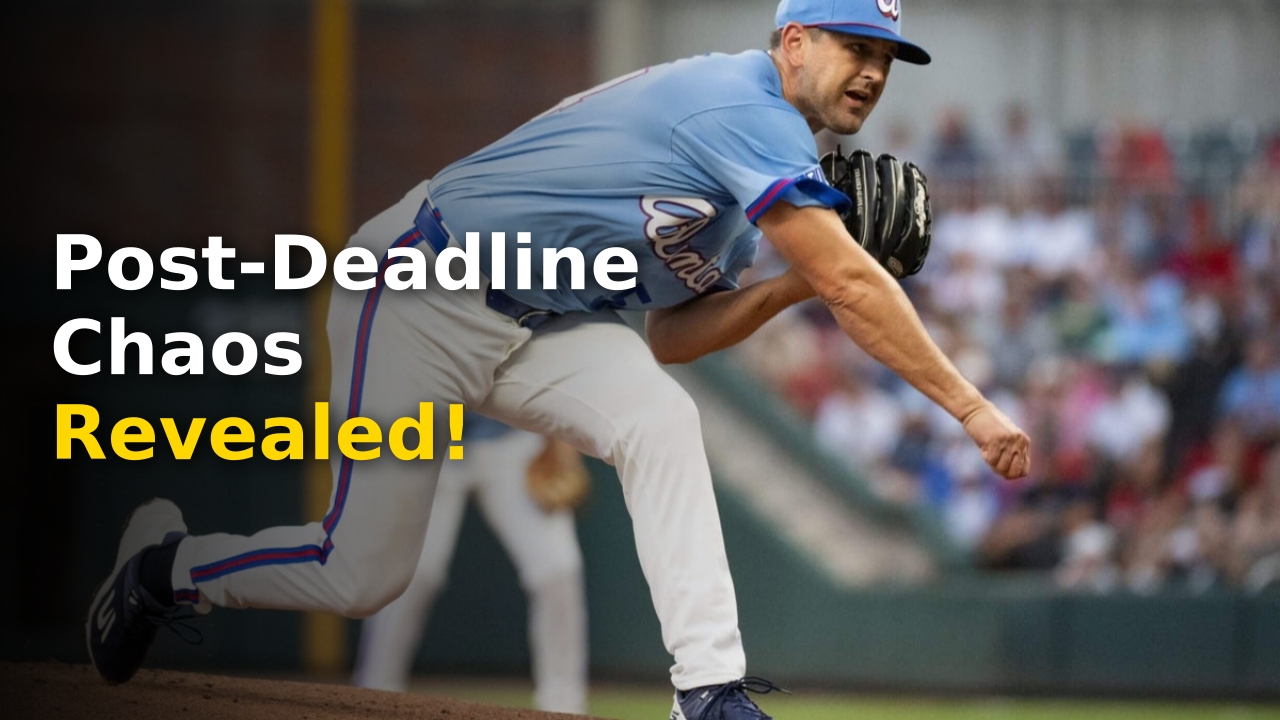
Tyler Mahle has been nothing short of sensational since switching his orange and black threads for the Atlanta Braves uniform. Through seven starts with his new club, the right-hander has turned back the clock, flashing a brilliant 1.25 ERA across 43 1/3 innings of work. His control has been impeccable, racking up 38 strikeouts while yielding just six walks. Braves pitching coaches have unlocked his late-inning movement, turning his split-finger fastball into a devastating weapon that keeps opposing lineups completely off-balance.
His singular non-quality start came against the powerhouse Milwaukee Brewers on August 23, where he conceded a lonely single run over five innings. Aside from that brief hiccup, Mahle has been humming, delivering consecutive masterclasses that have stabilized a rotation plagued by injuries. While San Francisco fans watch in awe, the Giants front office is banking on the development of Anthony Molina. They believe Molina can find his zone control as a starter, but the immediate results certainly favor Atlanta’s postseason aspirations.
Luis Arraez and the Philadelphia Phillies Lineup Pivot
Luis Arraez remains one of the most polarizing yet electric hitters in baseball today, combining theatrical box presence with unmatched contact skills. After some initial friction transitioning to his new surroundings in Philadelphia, Arraez is beginning to find his trademark rhythm. He is batting .293 with a .311 on-base percentage through 140 at-bats for the Phillies. While those numbers do not quite jump off the page compared to his past batting title campaigns, his high-contact approach is stabilizing the lower third of the Phillies order.
Historically, Arraez has experienced quiet postseasons, carrying a modest .224 batting average in October across 70 plate appearances. Analysts debate whether high-contact, low-power profiles become easier for elite pitching staffs to neutralize during short postseason series. However, his ability to put the ball in play when it matters most gives Philadelphia an extra dimension. The Phillies are confident his bat-to-ball utility will pay massive dividends as they seek a deep October run.
Erik Miller Dominating the Boston Red Sox Bullpen
The Giants did not actively seek to trade reliever Erik Miller at the deadline, believing his true capability aligned with his final stretch in San Francisco. During his last 11 appearances with the Giants, Miller did not concede a single earned run while striking out over 38 percent of batters faced. San Francisco was determined not to sell low on a reliever they valued highly, demanding a premium return. The Boston Red Sox surprised everyone by meeting that steep valuation, and both organizations are now reaping the rewards of their conviction.
Miller has been an absolute buzzsaw for Boston, compiling a microscopic 0.63 ERA over 14 appearances. In just 14 1/3 innings, he has struck out 25 batters while conceding only six walks. His sweeping slider and high-90s fastball have made him a high-leverage favorite for the Boston management. The trade shows that when high-velocity relievers find their mechanical sweet spot, they become instantly dominant post-deadline acquisitions.
Statistical Tracker for Giants Traded Players
To truly understand how these roster departures have impacted both the Giants and their new organizations, we must analyze the hard data. The table below represents the updated statistics for the primary players moved during the trading window. These figures reflect their performances through the latest September matchups.
Analyzing these numbers reveals a stark contrast between those who have found immediate comfort and those struggling under new team systems. Pitchers like Mahle and Miller have instantly adapted to their catcher pairings and pitching philosophies. Meanwhile, position players are experiencing the classic adjustment period that accompanies changing home ballparks, hitting coaches, and team dynamics. Fans tracking these roster moves and player updates can easily see how critical individual system fits are to on-field production.
Deep-Dive Analysis of the Front Office Strategy

Robbie Ray and the Financial Realities in San Diego
Robbie Ray was a consistent, reliable force during his multi-year stint in San Francisco, serving as a pillar of rotation stability. He compiled 60 starts with an adjusted ERA that consistently outperformed his peers, making him highly respected among the coaching staff. His transition to the San Diego Padres, however, has been fraught with control issues and high-leverage failures. Ray has struggled to find his release point, posting a 5.35 ERA over 33 2/3 innings while walking an alarming 24 batters.
His visual aesthetics as a pitcher depend entirely on pinpoint command of his breaking stuff. When Ray misses his spots, he becomes highly susceptible to long-sequence innings that exhaust the bullpen. To make matters worse, he has already surrendered six home runs since joining San Diego. Despite these struggles, the Giants front office focused heavily on securing long-term assets in this deal, pointing toward a broader organizational philosophy.
The centerpiece of the Ray trade for San Francisco was 17-year-old shortstop Joniel Hernandez. Hernandez has taken his new minor league affiliate by storm, slash-lining .343/.439/.629 with three home runs. The Giants are clearly building a future roster around athletic, highly versatile infield prospects. By the year 2030, San Francisco plans to field a defense filled with rangy, high-ceiling shortstops capable of playing multiple positions.
Heliot Ramos Finding His Footing in the Bronx Pressure Cooker
Heliot Ramos entered New York with high expectations, as Yankees fans hoped he would provide immediate outfield defense and right-handed power. Unfortunately, the transition has been incredibly difficult, with Ramos batting a mere .155 through 71 at-bats. Observers note that Ramos appears to be pressing heavily, trying to make an immediate impression on the demanding New York crowd. This anxiety has caused him to expand his strike zone, leading to elevated strikeout rates and weak contact.
Despite his ongoing struggles, Ramos has shown flashes of his potential. He delivered a spectacular game-winning moment against Colorado, crushing a towering 402-foot three-run home run off Brennan Bernardino. The blast came off the bat at 104.8 miles per hour, demonstrating the raw physical power that made him highly coveted. If the Yankees coaching staff can restore his plate discipline, Ramos has the physical tools to become an October icon.
To check on historical perspectives of similar high-stakes transactions, you can read ESPN’s detailed live baseball scoreboards. Analyzing past trades shows that outfielders moving to the American League often require substantial adjustment periods. The Yankees are committed to helping Ramos refine his approach before the postseason begins.
Dustin Kilian Oblique Injury and Philadelphia Depth
Dustin Kilian’s stint with the Philadelphia Phillies started in chaotic fashion before an oblique strain sidelined him indefinitely. In just four appearances, Kilian recorded a bloated 13.50 ERA over 3 1/3 innings, allowing seven runs. He experienced the extreme highs and lows of relief work, earning a loss in a blowout extra-inning game and picking up a win in a 12-inning thriller. Oblique strains are notoriously slow to heal, leaving his status for the upcoming postseason in serious doubt.
The Phillies organization remains optimistic about Kilian’s long-term projection, viewing him as a multi-year control asset rather than a simple rental. His electric velocity remains intact, and under Philadelphia’s development staff, he could become a high-velocity bullpen arm by next spring. For now, his acquisition represents an investment in future depth rather than immediate bullpen relief.
Evaluating the Defensive and International Departures
Patrick Bailey Catching Evolution in Cleveland
Though not a traditional deadline transaction, Patrick Bailey’s transition to the Cleveland Guardians has captivated baseball purists. Bailey is currently batting .235 with a .301 on-base percentage and seven home runs over 196 at-bats. While these offensive numbers are modest, his primary value lies in his defensive game management and pitch-framing abilities. Interestingly, his defensive metrics have dipped slightly as he adjusts to a completely new pitching staff.
Catchers require significant time to understand the movements, preferences, and tendencies of an entirely new group of pitchers. The Guardians are patient, knowing that Bailey’s Gold Glove pedigree will eventually stabilize their young rotation. Meanwhile, San Francisco is content with their catching future, leaning heavily on Daniel Susac and Drew Cavanaugh to lead their defense.
For fans looking to understand the financial and roster shifts underlying these decisions, staying informed through exclusive sports news updates is highly beneficial. The Giants’ decision to trade Bailey allowed them to acquire Tugboat Wilkinson and high school left-hander Carson Bolemon. This strategy aligns with their focus on acquiring high-ceiling, long-term talent over established major league players.
Jerar Encarnacion NPB Revival with Yokohama DeNA BayStars
Jerar Encarnacion’s career has taken an exciting turn since he departed North American baseball. After struggling to secure a permanent role in the major leagues, Encarnacion signed with the Yokohama DeNA BayStars in Nippon Professional Baseball. The change of scenery has worked wonders, as the powerful outfielder is batting .291 with 11 home runs and a .495 slugging percentage over 220 at-bats. His immense raw power has made him an instant fan favorite in Japan, where NPB pitching styles have allowed him to refine his pull-side power.
Encarnacion is playing alongside former Giants Cooper Hummel and Jon Duplantier, creating a familiar environment far from home. His international success proves that players who struggle with MLB velocity can find highly productive second acts abroad. The Yokohama front office is thrilled with his production, and he may soon find himself back on the radar of major league scouts if his home run streak continues.
To explore more about how international transitions affect former MLB stars, you can consult MLB’s official transaction logs. Encarnacion’s resurgence highlight how different ballparks and pitching philosophies can completely revitalize a player’s career.
People Also Ask
Why did the Giants trade Tyler Mahle to the Braves?
The Giants traded Tyler Mahle to manage future salary commitments and create rotation opportunities for younger pitching prospects like Anthony Molina. San Francisco wanted to maximize Mahle’s trade value while acquiring controllable assets for their long-term rebuild.
How is Heliot Ramos performing with the Yankees?
Heliot Ramos has struggled initially in New York, batting .155 with 2 home runs and 11 RBIs over 71 at-bats. He has shown excellent raw power, including a crucial 402-foot home run, but continues to work on his strike zone discipline.
Who did the Giants receive in the Robbie Ray trade?
The San Francisco Giants acquired highly-rated 17-year-old shortstop prospect Joniel Hernandez in exchange for veteran pitcher Robbie Ray. Hernandez is currently performing exceptionally well in the minor leagues, batting .343 with three home runs.
Why is Patrick Bailey playing for the Guardians?
Patrick Bailey was traded to the Cleveland Guardians in a surprising move designed to restock the Giants’ minor league system with pitching talent and draft capital. The Giants are moving forward with prospects Daniel Susac and Drew Cavanaugh as their primary catchers.
How is Luis Arraez fitting in with the Phillies?
Luis Arraez has provided steady contact for the Phillies, batting .293 with a .311 on-base percentage since joining the team. While he has not shown high power numbers, his ability to prevent strikeouts has added valuable stability to the lineup.
The Legacy of the Giants Traded Players
As the regular season nears its conclusion, the results of the Giants’ trade deadline strategy remain highly complex. Some departures, like Tyler Mahle and Erik Miller, have turned into immediate triumphs for their new organizations, raising questions about San Francisco’s internal pitching development. Others, like Heliot Ramos and Robbie Ray, have struggled under the immense pressure of their new environments. This variance highlights how much player performance depends on system fits, coaching relationships, and team chemistry.
For the San Francisco Giants, the true value of these trades will not be determined by immediate major league results. Instead, their success depends on the long-term development of prospects like Joniel Hernandez, Carson Bolemon, and Anthony Molina. If these young players develop into productive major league contributors, the front office will be praised for their forward-thinking approach. Until then, fans will continue to monitor trending entertainment analysis and roster changes across the league.
Ultimately, keeping track of Giants traded players reminds us of the volatile nature of professional sports. A player who struggles in Northern California can easily become a postseason hero in Atlanta or Boston, while an established star can quickly falter in San Diego. As October approaches, these traded players will continue to shape the MLB landscape, leaving San Francisco fans to wonder what might have been.
More Like This
For more updates, check out our latest entertainment and sports news.