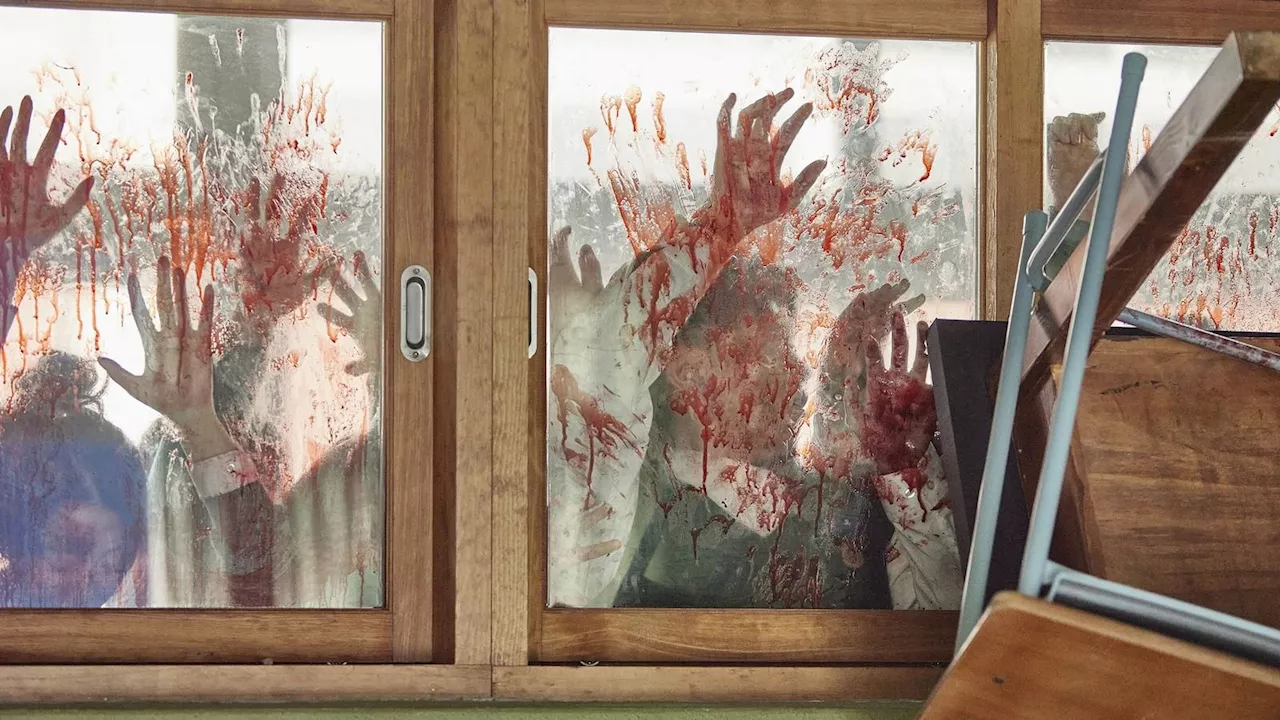
Zombie Hits like Netflix’s groundbreaking K-drama are currently dominating global streaming charts with terrifying precision. Have you ever wondered if your high school classmates would eat you alive if given the chance? You are not alone in that morbid curiosity as millions of viewers have flocked to the small screen to witness the visceral carnage of Hyosan High.
Netflix has truly mastered the art of the survival thriller by blending high-stakes action with relatable teenage angst. This series is not just another horror show; it is a cultural phenomenon that has redefined what audiences expect from the undead. The sheer intensity of the performances ensures that you are glued to your seat from the first minute of the outbreak until the final credits roll.
As you dive deeper into the world of South Korean entertainment, you will notice a trend of high-quality production that rivals Hollywood’s biggest blockbusters. These Zombie Hits represent a shift in global media consumption where subtitles are no longer a barrier to mainstream success. The emotional resonance of the story is what truly separates this masterpiece from the mindless gore of previous decades.
Zombie Hits Redefining Streaming
The rise of Zombie Hits on platforms like Netflix has signaled a massive change in how horror is marketed to Gen Z and Millennials. By placing the apocalypse within the familiar confines of a high school, the creators tapped into a universal fear of isolation and social hierarchy. You see the characters struggle with exams and crushes while simultaneously dodging lethal bites from their former friends.
This unique South Korean series draws heavy inspiration from the 2016 masterpiece Train to Busan, which first introduced the world to the concept of fast, agile zombies. Unlike the slow-shuffling corpses of the mid-20th century, these monsters are predatory athletes. Their speed creates a sense of urgency that forces you to hold your breath during every narrow escape through the school hallways.
The South Korean Wave
- The show features breakout performances by Park Ji-hu and Yoon Chan-young.
- Director Lee Jue-kyu utilized a color palette that contrasts bright school uniforms with dark, visceral blood.
- Production involved a 100-meter-long set built specifically to simulate the school’s massive scale.
The global audience for South Korean horror has exploded over the last decade, leading to a surge in demand for localized content. You can see this influence in everything from fashion to cinematography in Western media. The meticulous attention to detail in the practical effects and makeup sets a new gold standard for the genre.
Many critics argue that the success of this show is due to its unflinching look at societal pressures. It explores themes of bullying, parental expectations, and government negligence. These layers of subtext provide a rich viewing experience that rewards repeat watches and deep analysis by the fanbase.
If you want to stay updated on the latest industry insights, check out the breaking celebrity news regarding the cast’s upcoming projects. The actors have become overnight sensations, with their social media following growing by millions within weeks of the premiere. This level of stardom is a testament to the show’s massive reach across international borders.

Anatomy of Hyosan Outbreak
The viral outbreak at Hyosan High wasn’t just a random event; it was a calculated disaster born from a father’s desperate love. Lee Byeong-chan, a science teacher, created the Jonas Virus to help his son fight back against school bullies. This tragic origin story adds a layer of emotional complexity that is often missing from Western zombie narratives.
You witness the virus transform the student body into a literal personification of the rage and trauma they endured. The physical transformations are haunting, involving bone-breaking contortions and animalistic vocalizations. This focus on the physical performance of the actors makes the horror feel grounded and disturbingly real.
Characters Facing Death
- Lee Cheong-san acts as the tactical leader of the surviving group.
- Nam On-jo uses her father’s firefighting survival tips to keep the group alive.
- Choi Nam-ra, the class president, undergoes a unique transformation into a ‘half-bie’.
The survival instincts shown by the teenagers are both inspiring and heartbreaking. You see them forced to grow up in a matter of hours, making life-or-death decisions that would break most adults. The show doesn’t shy away from the reality that not everyone makes it out alive, maintaining a high body count that keeps the stakes feeling genuine.
Technical execution of the action scenes is nothing short of brilliant. One notable sequence involves a long-take in the school cafeteria that required weeks of choreography. These Zombie Hits thrive on technical excellence, proving that television can deliver cinematic quality on a weekly basis.
The creators also introduced the concept of ‘hambies’ or half-zombies, who retain their human consciousness but gain superhuman strength. This twist adds a new dimension to the survival rules, as the survivors must decide whether to trust their infected friends. It is this psychological tension that keeps you questioning the morality of the characters.
Evolution of Modern Zombies
The genre has come a long way since the days of George A. Romero. While The Walking Dead dominated the conversation for over a decade, many fans felt the plot began to stall. Today’s Zombie Hits demand a faster pace and more creative settings to keep the audience engaged in an era of short attention spans.
Films like 28 Days Later and Rec paved the way for the high-octane energy we see in contemporary TV shows. The modern zombie is a predator, not a scavenger. This change in biology forces the human characters to be more resourceful and athletic, leading to more dynamic action choreography.
Cinematic Survival Tropes
- The ‘Fast Zombie’ mechanic creates immediate physical threats.
- Limited settings like trains or schools heighten the feeling of claustrophobia.
- Focus on adolescent protagonists appeals to the core demographic of streaming services.
The use of CGI is balanced with practical makeup to ensure the monsters look terrifying even in high definition. You can see every ruptured vein and clouded eye, which adds to the immersion. This dedication to realism is a hallmark of the new wave of horror emerging from East Asia.
Scriptwriters are also leaning into the ‘Netflix Effect’, where shows are designed for binge-watching. Each episode ends on a cliffhanger that practically forces you to click the ‘next episode’ button. This narrative structure is perfectly suited for the intense, fast-moving nature of a zombie apocalypse.
Moreover, the focus has shifted from the ‘how’ of the apocalypse to the ‘who’ of the survivors. Character development is now the primary driver of these stories. You care more about the survival of a specific student than you do about the global cure, making the losses feel more personal and painful.

Global Impact of K-Horror
South Korea has established itself as the new capital of the horror genre. Following the success of Kingdom and Squid Game, Zombie Hits have become the nation’s most successful cultural export. The unique blend of traditional Korean values and modern cinematic techniques creates a product that feels both fresh and familiar.
The financial impact of these shows is staggering, with Netflix investing hundreds of millions of dollars into Korean content. This investment has paid off, as Korean series consistently rank in the global top ten. You are seeing a democratization of entertainment where quality content can come from anywhere in the world.
By The Numbers
- The first season amassed over 361 million hours viewed in its first 10 days.
- It reached the Top 10 list in 91 countries simultaneously.
- The show’s success led to a 20% increase in K-drama viewership globally.
The social media impact cannot be ignored either. TikTok and Instagram are flooded with fan edits, cosplay, and theories about the next season. This digital engagement helps sustain the hype during the long wait between seasons, ensuring the fanbase remains active and loyal.
This global success has also opened doors for Korean actors to enter Hollywood. Many of the stars from the show are now being scouted for major international roles. You are witnessing the birth of a new generation of global superstars who started their journey in a blood-soaked school uniform.
The series also highlights the power of Netflix as a distribution powerhouse. Without a global platform, many of these stories might never have reached audiences in the US or Europe. The platform provides a stage for diverse voices to tell universal stories of survival and humanity.
Comparing Top Horror Productions
When analyzing the current landscape of horror, it is helpful to see how different shows stack up against each other. While The Walking Dead set the foundation, newer entries have taken the genre in bold new directions. These Zombie Hits are often compared based on their pacing, character depth, and overall production value.
| Series Title | Release Year | Zombie Speed | IMDb Rating |
|---|---|---|---|
| All of Us Are Dead | 2022 | Very Fast | 7.5 |
| Kingdom | 2019 | Fast | 8.3 |
| The Walking Dead | 2010 | Slow | 8.1 |
| Black Summer | 2019 | Very Fast | 6.6 |
As seen in the table, the trend is clearly moving toward faster zombies that pose a more immediate threat. This change reflects the shifting tastes of the audience who prefer high-intensity thrills over slow-burn drama. The higher IMDb ratings for Korean entries suggest a greater appreciation for their storytelling and production quality.
Critics often point to the cinematography as a key differentiator. Korean productions tend to use more vibrant colors and dynamic camera movements. You feel the kinetic energy of the chase scenes, which are often shot in a way that makes you feel like you are running right alongside the characters.
The soundtrack also plays a vital role. From the eerie silence of the school library to the pounding percussion of the cafeteria fight, the audio design enhances the atmosphere of dread. These elements combine to create a sensory experience that lingers long after the episode ends.
The Future of Zombie Hits
The anticipation for Season 2 of All of Us Are Dead has reached a fever pitch. After the cliffhanger finale, fans are desperate to know the fate of the survivors and the evolution of the half-zombies. These Zombie Hits have a unique ability to expand their lore, moving beyond the school walls into a larger, more dangerous world.
Speculation is rife about whether the virus will spread to Seoul or if a cure will be found. The introduction of the ‘hambie’ characters suggests a future where humans and infected must find a way to coexist or face total extinction. This moral ambiguity will likely be the driving force behind the upcoming narrative.
As the genre continues to evolve, you can expect even more innovation in how these stories are told. We might see more interactive elements or augmented reality experiences tied to the shows. The boundary between the screen and the viewer is becoming increasingly blurred as technology advances.
Netflix’s commitment to the franchise ensures that the quality will remain high. With a dedicated fanbase and critical acclaim, the show is poised to remain a staple of the horror community for years to come. You should prepare yourself for even more shocks, heartbreak, and pulse-pounding action in the near future.
Whether you are a die-hard horror fan or a newcomer to the genre, the impact of Zombie Hits is undeniable. They reflect our deepest fears and our greatest hopes for survival. As long as there are stories to be told about humanity facing the impossible, the undead will continue to rise on our screens.
More Like This
For more updates, check out our latest entertainment and sports news.