Key Takeaways
| Blizzard veteran Tom Ellis deleted his account after harassment over moderation policies. |
| Only 0.18 percent of World of Warcraft: Forever players faced beta removal due to naming violations. |
| Influencer Asmongold criticized the developer’s call for players to be better humans. |
| Blizzard clarified that legacy ban lists are being enforced to maintain conduct standards. |
The WoW Forever ban controversy has spiraled into a digital firestorm, forcing a long-time Blizzard Entertainment veteran to permanently delete his social media presence after his public plea for user civility sparked a massive backlash. As the gaming community grapples with the introduction of new account features in the latest iteration of the iconic MMO, the tension between developers and the player base has reached a boiling point.
You are witnessing a significant moment in online gaming history where corporate moderation meets the volatile nature of internet subcultures. What began as a routine enforcement of naming guidelines has escalated into a campaign of harassment, raising urgent questions about the safety and mental well-being of game developers in the modern era.
The WoW Forever Ban Controversy Explained
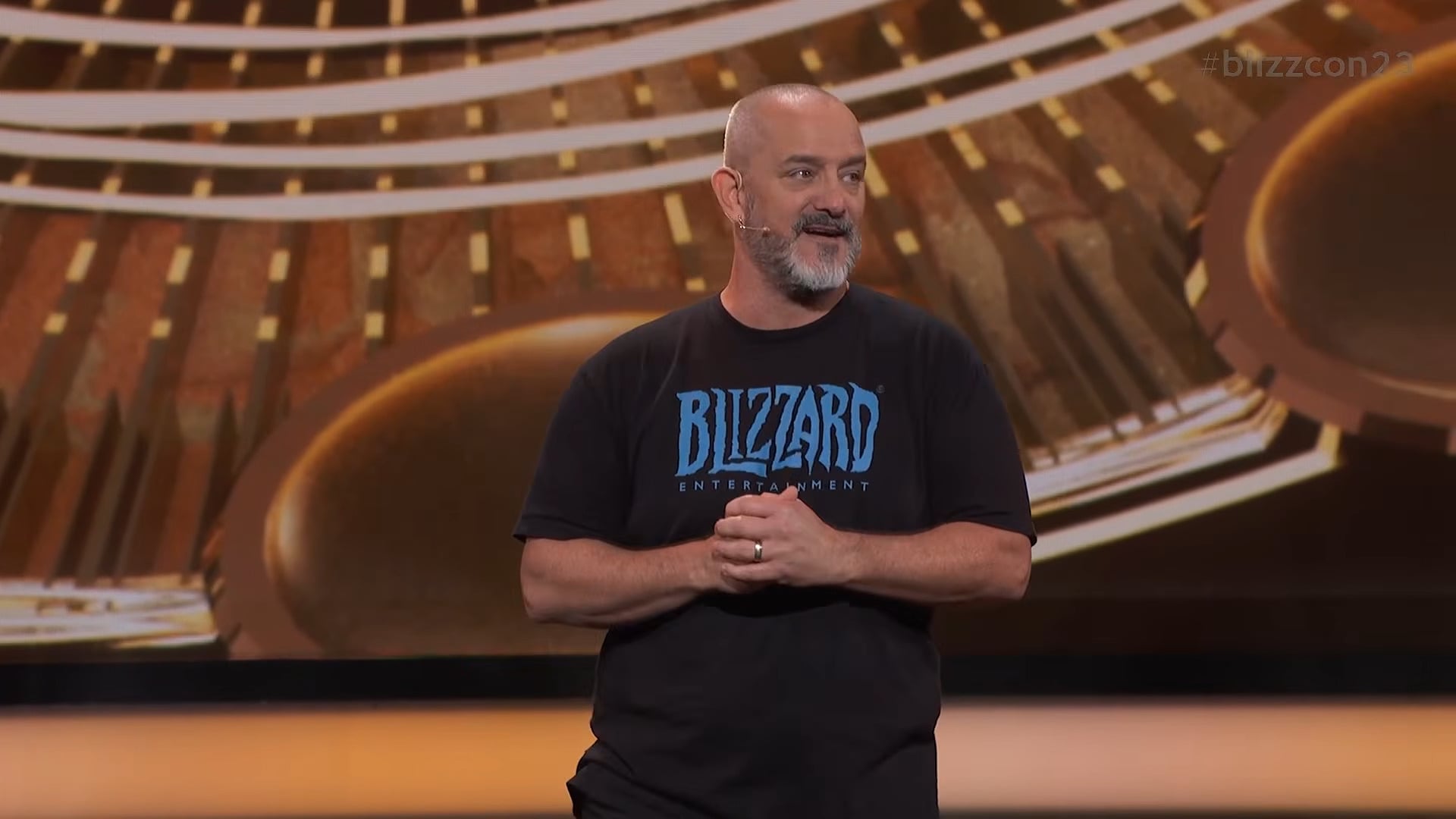
The core of the WoW Forever ban controversy lies in the aggressive enforcement of character naming conventions during the recent beta rollout. When Blizzard introduced a feature allowing players to assign first and last names to their characters, the company simultaneously activated strict monitoring protocols. Senior producer Tom Ellis stepped into the line of fire, attempting to clarify that these policies were not a result of a sudden shift in corporate culture but rather a necessary application of legacy data integrity.
The developer’s decision to engage with the community on X, formerly Twitter, resulted in an immediate flood of vitriol. Critics within the player base viewed his comments—specifically the request to be ‘better humans’—as condescending. This friction highlights a deep-seated disconnect between the development team’s desire for an inclusive space and the ‘edgy’ expectations maintained by a vocal segment of the long-term player community. 
As the situation deteriorated, Ellis expressed his regret for engaging with the toxic discourse. His departure from the platform serves as a stark reminder of the personal cost incurred by developers who choose to break the wall of silence. For more on the evolution of this franchise, check out detailed insights into the history of Blizzard developers.
Community Sentiment and Developer Transparency
The reaction from the community has been deeply polarized. While some users have celebrated the developer’s exit as a victory against what they term ‘over-moderation,’ others argue that the industry is losing its soul by chasing away developers who dare to speak their minds. The harassment of Ellis, which included efforts to contact his employers at Microsoft and Xbox, has drawn sharp condemnation from those who believe the toxicity is ruining the game’s social ecosystem.
Beta Enforcement Statistics
| Category | Status |
|---|---|
| Total Beta Removal Rate | 0.18% |
| Primary Penalty | Forced Name Change |
| Violations Targeted | Code-of-Conduct Inappropriate Names |
Expert Analysis of Development Culture
Industry analysts have long noted that the evolution of community management in massive multiplayer games requires a delicate balance. The WoW Forever ban controversy demonstrates that when developers become too accessible, they risk becoming lightning rods for the community’s frustrations. It is a Catch-22: players want transparency and communication, yet they often react with hostility when the reality of that communication involves accountability for their own actions.
By the numbers, the vast majority of players—over 99 percent—remain unaffected by these moderation changes. This suggests that the outcry is amplified by a very loud minority. The Blizzard team’s reliance on legacy databases for name enforcement is standard practice, but in the current climate of social media monitoring, such bureaucratic tasks are easily framed as ideological battles.
People Also Ask
What happened with the WoW Forever ban controversy today?
A Blizzard producer deleted his social media account following intense harassment from players regarding the company’s enforcement of naming policies during the beta phase.
Why is the WoW community trending right now?
The community is trending due to a massive debate over developer engagement, the ethics of player moderation, and criticism from high-profile influencers regarding Blizzard’s conduct guidelines.
How does this affect World of Warcraft: Forever development?
The incident has led to increased scrutiny over how Blizzard handles community communication, potentially causing developers to retreat from public interaction channels.
When was the WoW Forever beta controversy reported?
The situation escalated in late September 2026, following the release of new character naming features within the game.
Final Thoughts
The WoW Forever ban controversy is more than just a dispute over character names; it is a symptom of a larger struggle for the soul of online gaming culture. As we move forward, the relationship between developers and their audiences remains fragile. Whether Blizzard will continue to push for tighter conduct standards or retreat in the face of public pressure remains the central question for the future of the title. For ongoing coverage on how tech and gaming companies manage digital conduct, keep reading our latest reports at Bright Celebrity.
More Like This
For more updates, check out our latest entertainment and sports news.