Key Takeaways
| Rising Incidents: WNBA stars including Caitlin Clark and Sophie Cunningham have faced documented stalking cases recently. |
| League Protocols: The WNBA has implemented a mandatory three-step security investigation process for all player threats. |
| Parasocial Risks: Experts suggest that WNBA stalking concerns often stem from unhealthy parasocial obsessions fueled by digital access. |
| Collective Bargaining: New league-wide safety requirements now mandate protection for players at games, hotels, and travel hubs. |
WNBA stalking concerns have reached an all-time high as the league faces the darker side of its unprecedented surge in popularity. You might assume that professional athletes are untouchable, but recent security incidents involving stars like Caitlin Clark and Sophie Cunningham prove that high-profile players are increasingly vulnerable to dangerous obsessions. As the league grows, the line between being a dedicated fan and a legitimate physical threat is becoming blurred for many players across the association.
The reality is that Caitlin Clark spent significant portions of her 2025 season navigating a terrifying personal battle with a 55-year-old man who believed they were in a romantic relationship. Michael Lewis, a Texas resident, was eventually sentenced to two-and-a-half years in prison after sending hundreds of threatening and sexually explicit messages. This level of intrusion forced the fever star to fundamentally alter her public appearance and safety protocols just to navigate daily life.
Understanding WNBA Stalking Concerns
The rise in WNBA stalking concerns is not an isolated phenomenon, as it reflects a broader struggle faced by high-profile women in professional sports. While the league continues to break viewership records and capture mainstream attention, the darker side of fandom is manifesting in stalking, harassment, and digital obsession. Experts argue that the hyper-connectivity of the modern age—where fans can track a player’s every move via social media—creates a breeding ground for these issues.
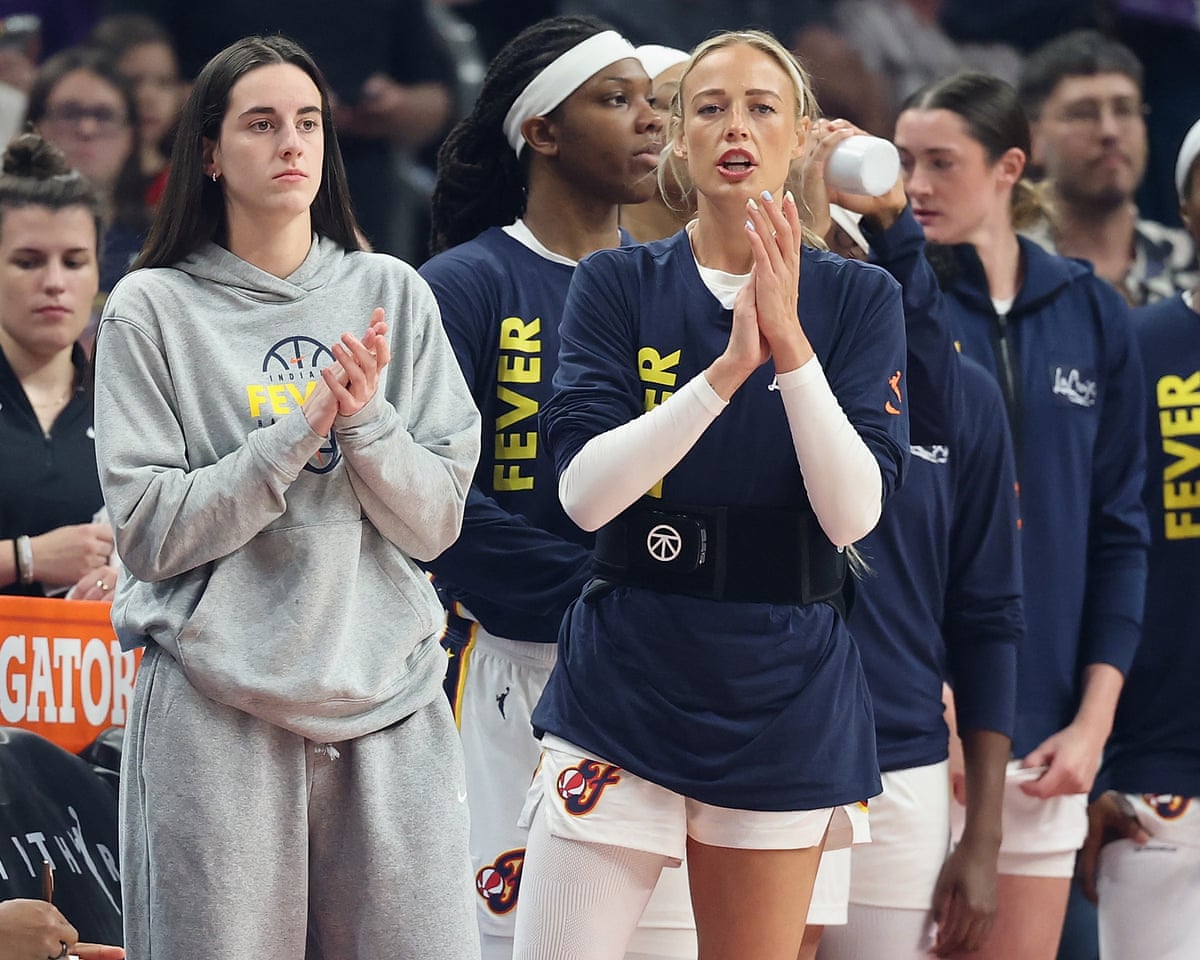
It is important to recognize that stalking is not limited to the professional ranks. Younger athletes, including collegiate stars like Paige Bueckers, have dealt with similar legal interventions, signaling that the threat begins long before players reach the official WNBA league site. When fans lose sight of the fact that players are real human beings, the resulting behavior can rapidly spiral into something that requires law enforcement involvement. Security officials now emphasize that proactive monitoring is the only way to safeguard the health and well-being of the next generation of basketball icons.
The Role of Parasocial Dynamics
Psychology experts, such as Dr. Shira Gabriel, point to the concept of parasocial relationships to explain why these incidents occur. Many fans naturally feel a sense of connection to their favorite athletes, which is usually a healthy aspect of sports culture and community engagement. However, these bonds shift into dangerous territory when a person begins to mistake their digital access for a genuine, two-way interpersonal relationship. When this boundary collapses, the dehumanization of the athlete often follows, leading to the stalking behavior that many players currently report.
Data and Safety Statistics
The WNBA’s response to these threats is systematic, ensuring that every report is met with immediate action from the league’s Global Security Operations Center. The table below outlines the tiered response mechanism now employed to protect players, showcasing how the league handles potential security breaches in the current season.
| Action Stage | Operational Focus |
|---|---|
| Tier 1: Validation | 24/7 assessment by the Global Security Operations Center. |
| Tier 2: Mitigation | Deployment of enhanced security at hotels and game venues. |
| Tier 3: Legal Action | Arena bans or direct referral to local law enforcement. |
League-Wide Security Context
Safety is no longer an optional consideration for teams; it is a contractual requirement mandated by the latest Collective Bargaining Agreement. Every franchise is now required to uphold specific standards to ensure that players are protected during travel, training, and public appearances. Syd Colson, a veteran who has navigated these challenges firsthand, has repeatedly highlighted the necessity of these protections. You can find more safety analysis on Bright Celebrity regarding how other leagues manage similar high-stakes environments.
_(4).jpg)
This, however, does not mean the fan experience is entirely ruined. Most interactions remain positive and respectful, as noted by players like Emily Engstler of the Portland Fire. Engaging with fans in a two-way, respectful manner is still the norm, but the league has become more vigilant about identifying the small percentage of individuals who lack personal stability and exhibit signs of severe emotional volatility.
Expert Insights on Player Safety
Research indicates that perpetrators of stalking are rarely well-adjusted individuals. Dr. Gabriel notes that these individuals often carry significant emotional baggage or suffer from underlying issues, making the boundary between a fan and an aggressor very thin. By focusing on identifying these high-risk factors early, the league hopes to prevent the emotional trauma that athletes like Sophie Cunningham have had to endure during their professional careers.
People Also Ask
What happened with Caitlin Clark and the stalking case?
Caitlin Clark was stalked by a 55-year-old man named Michael Lewis between 2024 and 2025. Lewis, who sent hundreds of threatening messages, was arrested at a hotel in Indianapolis and sentenced to two-and-a-half years in prison.
Why is WNBA stalking trending in news coverage?
The issue is gaining attention due to the league’s rapid popularity growth, which has unfortunately increased the frequency of aggressive fan behavior. Reporting these cases highlights the need for better security protocols in professional sports.
How does the WNBA handle security threats now?
The WNBA employs a three-step protocol involving a 24/7 security center that investigates threats, deploys additional protection, and pursues legal action or stadium bans against offenders.
Are other players experiencing similar issues?
Yes, other players like Sophie Cunningham, Syd Colson, and Kiki Rice have also faced instances of stalking, indicating this is a widespread concern across the league.
Final Thoughts
The conversation surrounding WNBA stalking concerns is a necessary step in evolving the professional landscape for women in sports. While the league continues to thrive, it must remain committed to the physical and mental safety of its athletes above all else. For fans who respect the game and the individuals playing it, supporting these security measures is essential to maintaining a healthy environment. By addressing these dangers head-on, the WNBA ensures that the focus remains on the incredible talent displayed on the court rather than the external risks that threaten to compromise the future of the game.
More Like This
For more updates, check out our latest entertainment and sports news.