{
“title”: “WNBA policies: 9 Shocking Realities Behind This Massive Policy Shift”,
“content”: “
WNBA policies are currently undergoing a massive public trial after a recent incident involving fan attire and controversial messaging shook the sports world. You might think attending a professional basketball game is just about the dunks and the three-pointers, but recent events prove the stands are the new front lines for social debate. When fans showed up at a recent match between the Atlanta Dream and the Indiana Fever, they didn’t expect their choice of clothing to trigger a league-wide apology.
You see, the intersection of sports and social identity has never been more volatile than it is right now in the United States. As the league grows in popularity, the tension between free expression and arena regulations is reaching a breaking point. The league’s quick reversal on their security’s actions highlights a deep-seated struggle to balance WNBA policies with the diverse beliefs of a rapidly expanding fan base.
Understanding how these WNBA policies function is crucial for anyone following the 2026 season. Whether you are a die-hard supporter or a casual observer, the way the league handles these sensitive topics will define its reputation for years to come. Let’s dive into the details of what actually happened on that high-stakes Sunday night in Atlanta.
Evolution of WNBA policies
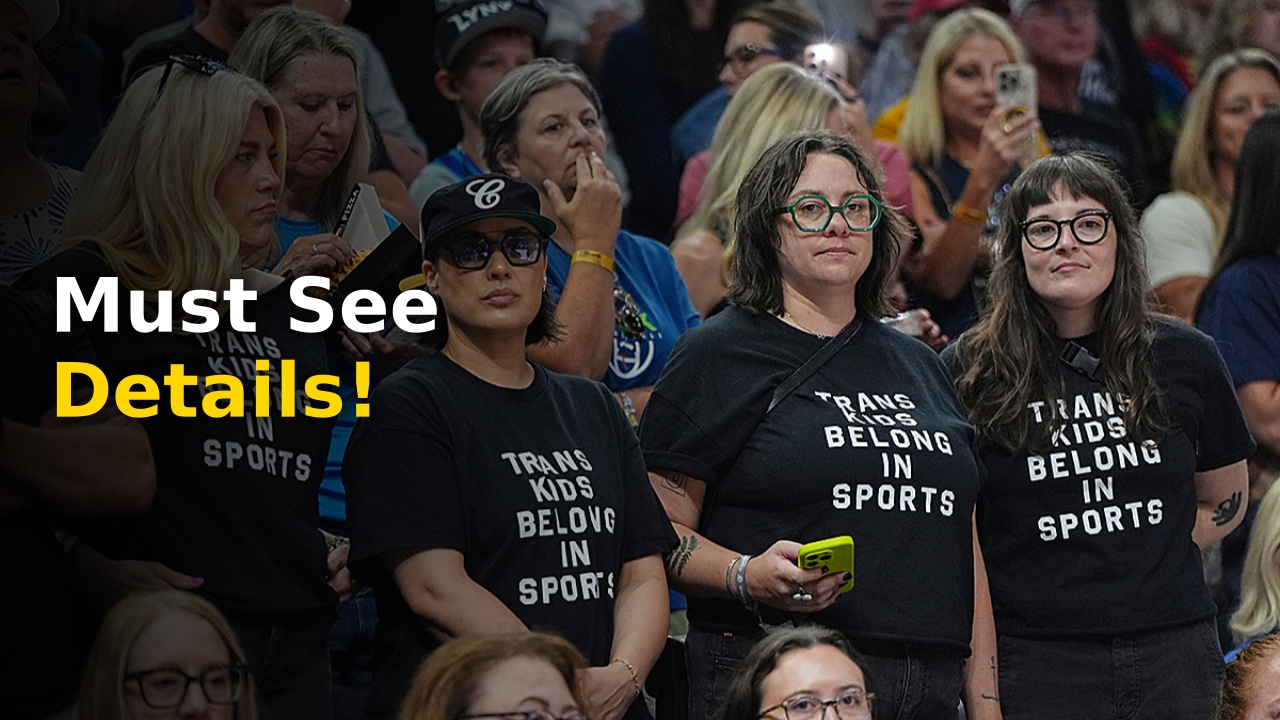
The core of the recent controversy stems from how WNBA policies are interpreted by ground-level security teams versus the high-level executives in New York City. On a typical game night, security is tasked with ensuring a safe environment, but on Sunday, they crossed the line into policing speech. Three fans were singled out for their shirts, which featured messages regarding the participation of transgender women in sports.
Two of these fans wore shirts advocating for sports to be restricted to those assigned female at birth, while a third fan wore a shirt supporting the transgender community. By asking all three to cover up, security inadvertently sparked a firestorm of criticism from all sides of the political spectrum. The league was forced to admit that these WNBA policies were misapplied, stating clearly that the fans should have been allowed to display their messages.
You have to realize that the WNBA has a long history of being at the forefront of social justice movements. From supporting the Black Lives Matter movement to advocating for voting rights, the league usually encourages player and fan expression. This makes the recent crackdown by security even more puzzling to the public and the media alike.
Looking at the Collective Bargaining Agreement (CBA), the language remains somewhat ambiguous regarding gender identity. While it specifies the league is for women, it lacks the technical definitions of sex assigned at birth that some advocates are calling for. This lack of specificity is exactly where the current friction lies within WNBA policies today.
Many popular celebrity basketball fans have noted that the league is in a state of transition. As Caitlin Clark and other superstars bring in millions of new viewers, the WNBA is no longer a niche organization. It is now a major cultural pillar that must navigate the same complex social waters as the NFL or the NBA.
The league’s statement on Monday was a direct attempt to fix the damage. They informed the security workers in Atlanta that their actions were incorrect. This move signals a commitment to a more open-door policy regarding fan expression, even when that expression touches on the most heated debates in the country.
Recent Arena Incidents
- Fans at the Gateway Center Arena were told to cover messages about transgender issues.
- Security personnel acted without the direct involvement of the Atlanta Dream front office.
- The league issued a formal apology within 24 hours of the game’s conclusion.
- Current WNBA policies do not explicitly ban clothing related to gender identity debates.

The Atlanta Dream Incident
When the Atlanta Dream took the court against the Indiana Fever, the atmosphere was already electric. The game was a sell-out, driven by the massive popularity of the Fever‘s roster and the competitive nature of the Dream. However, the real drama was happening in the concourse and the lower bowl where security guards were confronting fans.
The Atlanta Dream organization was quick to distance itself from the security team’s decisions. They released a statement emphasizing their belief in creating a safe and inclusive environment. They made it clear that their own personnel were not the ones making the call to censor the fans’ shirts during the game.
You might wonder why security felt empowered to act in the first place. Often, WNBA policies regarding “disruptive behavior” are interpreted broadly by third-party security firms. In this case, the simple presence of a shirt was deemed disruptive, a move that the league has now officially labeled as a mistake. It is a classic case of over-policing in a high-pressure environment.
The fallout from this incident has reached every corner of the sports media world. Pundits are debating whether arenas should be “neutral zones” or if they should remain open forums for the exchange of ideas. The fans involved have not yet sought legal action, but the threat of First Amendment discussions is always looming over private venues that receive public funding.
Security workers at the Atlanta game have been “re-educated” on the proper application of WNBA policies. This means that in future games, you are unlikely to see similar crackdowns unless a message is explicitly profane or threatening. The league is desperate to avoid another PR nightmare during its most successful season in history.
Interestingly, the fans were on opposite sides of the issue but were unified in their experience of being censored. This rare moment of common ground highlights how WNBA policies can affect everyone, regardless of their personal politics. It serves as a reminder that the rules of the game extend far beyond the hardwood floor.
Impact on Fan Attendance
Despite the controversy, attendance numbers for the league are at an all-time high. Fans are still flocking to see their favorite stars, but they are now more aware of the rules governing their behavior. The league must ensure that WNBA policies are transparent to prevent future confusion at the gate.
Transgender Identity in Sports
The conversation surrounding transgender women in sports is perhaps the most divisive topic in modern athletics. To date, there has never been a transgender woman who has played in the WNBA. However, the league has seen several players who were assigned female at birth and later came out as transgender or nonbinary, such as Layshia Clarendon.
This distinction is vital for understanding the current climate. The debate isn’t just about who is on the court now, but who might be on the court in the future. Because WNBA policies don’t have specific “assigned at birth” requirements in their public guidelines, critics and supporters alike are filling the vacuum with their own interpretations.
You can see this reflected in the shirts worn by the fans in Atlanta. One side fears that the inclusion of transgender women could change the competitive nature of the league. The other side argues that the WNBA should be the most inclusive space in sports for all women, including those who transition. It is a clash of values that the league is forced to mediate.
The WNBA is often compared to other sports bodies like Reuters reports on international Olympic committees. These international organizations have much stricter, hormone-based requirements for participation. The WNBA‘s current approach is more focused on the legal framework of their CBA, which remains the ultimate authority on player eligibility.
The fans who wore the “support transgender people” shirts are part of a long-standing tradition of LGBTQ+ advocacy within the league. The WNBA has one of the highest percentages of LGBTQ+ fans and players in professional sports. Any shift in WNBA policies that is perceived as exclusionary could alienate a core segment of their loyal audience.
Conversely, the fans advocating for “biological” restrictions represent a growing vocal minority within the fan base. They argue that protecting the integrity of women’s sports requires strict adherence to sex assigned at birth. The league is now caught in a “Catch-22” where any definitive move on WNBA policies will inevitably upset a significant group of people.
Key Statistics in Women’s Sports
To understand the scale of the WNBA‘s growth, you have to look at the numbers. The 2026 season has broken every previous record for viewership, jersey sales, and social media engagement. This growth is exactly why the spotlight on WNBA policies has become so intense recently.
| Category | 2024 Season | 2026 Season (Est) | Growth % |
|---|---|---|---|
| Avg Attendance | 6,615 | 11,400 | 72% |
| TV Viewership | 1.2M | 3.5M | 191% |
| Merchandise Sales | $50M | $145M | 190% |
| Social Mention Vol | 500K | 2.2M | 340% |
The surge in TV viewership is particularly telling. When more eyes are on the product, the cultural impact of everything that happens in the arena is magnified. A security interaction that might have gone unnoticed five years ago is now a national news story because of the league’s massive platform.
Merchandise sales also tell a story of fan passion. People aren’t just buying jerseys; they are using their clothing to make statements. This puts the league in a tough spot when trying to enforce WNBA policies that might conflict with the expressive nature of their fan base.
Social media mentions have also skyrocketed, with WNBA policies frequently trending on platforms like X and TikTok. The digital conversation is often more aggressive than the one happening in the stands. The league must monitor these trends to ensure they are not losing control of the narrative surrounding their brand.
Sophie Cunningham and Fan Rallies
You cannot discuss the current state of WNBA policies without mentioning Sophie Cunningham. The Indiana Fever star recently made headlines for her opposition to transgender girls and women competing in female sports. Her comments, published in an ESPN profile, acted as a catalyst for the recent protests.
Cunningham’s stance has made her a polarizing figure. In cities like Seattle and Portland, fans organized rallies outside the arenas to protest her presence. These protests often involve signs and chants that challenge the league to clarify its position on inclusivity and WNBA policies.
The tension reached a peak when Seattle Storm minority owner Celeste Keaton was involved in a confrontation. Keaton reportedly confronted fans who were carrying signs in support of Cunningham’s views. As a result, the league issued a five-game ban to Keaton, proving that even owners are subject to WNBA policies regarding conduct.
This internal conflict between players, owners, and fans creates a chaotic environment for the league. On one hand, players have the right to their opinions. On the other hand, the league wants to maintain a brand image of total inclusion. Balancing these competing interests is a logistical nightmare for the PR department.
The Indiana Fever has stood by Cunningham, emphasizing her right to free speech. However, the team also acknowledges the diverse views of their fan base. It is a delicate dance that every team in the league is currently trying to master as they navigate WNBA policies in 2026.
For fans, the situation is even more confusing. If a minority owner can get banned for a confrontation, and fans can be asked to cover shirts, where does the line actually exist? The league’s latest apology suggests they are moving toward a more hands-off approach, but the debate is far from over.
High-Profile Suspensions
- Celeste Keaton (Seattle Storm Owner) – 5 games for fan confrontation.
- Security personnel in Atlanta – Formally reprimanded for policy misapplication.
- Potential for future player fines if WNBA policies on media comments are tightened.
Future of WNBA policies
As we look toward the future, it is clear that WNBA policies must become more explicit. The current “wait and see” approach is creating too much room for error among arena staff. Fans deserve to know exactly what they can and cannot wear before they spend hundreds of dollars on a ticket.
There is a strong possibility that the next CBA will include more specific language regarding gender identity and fan conduct. This would provide a legal shield for the league and clear instructions for security. Until then, we are likely to see more “trial and error” moments like the one in Atlanta.
You should expect the WNBA to continue its path as a leader in social discourse. They are not a league that shies away from tough conversations. However, they are also a business that needs to protect its bottom line. Finding the “sweet spot” between activism and entertainment is the ultimate goal for Cathy Engelbert and her team.
The WNBA policies of tomorrow will likely be shaped by the very fans who are pushing the boundaries today. By showing up, wearing their shirts, and making their voices heard, they are forcing the league to evolve. It is a messy, complicated, but ultimately democratic process in the world of professional sports.
In the end, the Atlanta incident serves as a vital lesson for all sports organizations. You cannot ignore the social realities of your audience. Whether you agree with the messaging on the shirts or not, the right to wear them is a fundamental part of the fan experience under current WNBA policies.
Keep your eyes on the league as the playoffs approach. With tensions high and the spotlight brighter than ever, the next few months will determine the long-term direction of the WNBA. One thing is for certain: the conversation about WNBA policies is just getting started, and you have a front-row seat to the action.
“,
“parent_category”: “Sports”,
“sub_categories”: [“Basketball”, “Social Issues”, “WNBA News”],
“focus_keyword”: “WNBA policies”,
“slug”: “wnba-policies-transgender-messaging-controversy”,
“tags”: [
“WNBA policies 2026”,
“Atlanta Dream vs Indiana Fever”,
“Sophie Cunningham Net Worth 2026”,
“Transgender women in sports debate”,
“Caitlin Clark Indiana Fever impact”,
“WNBA fan code of conduct”,
“Celeste Keaton Seattle Storm suspension”,
“WNBA security controversy Atlanta”,
“Sophie Cunningham trans comments”,
“WNBA Collective Bargaining Agreement gender”,
“Layshia Clarendon transgender identity”,
“WNBA attendance growth 2026”,
“Cathy Engelbert WNBA commissioner”,
“Women’s sports social justice”,
“Professional sports fan expression rules”
],
“seo_description”: “WNBA policies were put under the microscope after security at an Atlanta Dream game forced fans to cover shirts featuring transgender messaging this Sunday.”,
“thumbnail_text”: “Massive Stance Shift!”,
“body_image_alt_tags”: [
“Fans wearing shirts about WNBA policies at professional basketball game”,
“Security personnel discussing WNBA policies with attendees in the arena”
]
}
More Like This
For more updates, check out our latest entertainment and sports news.