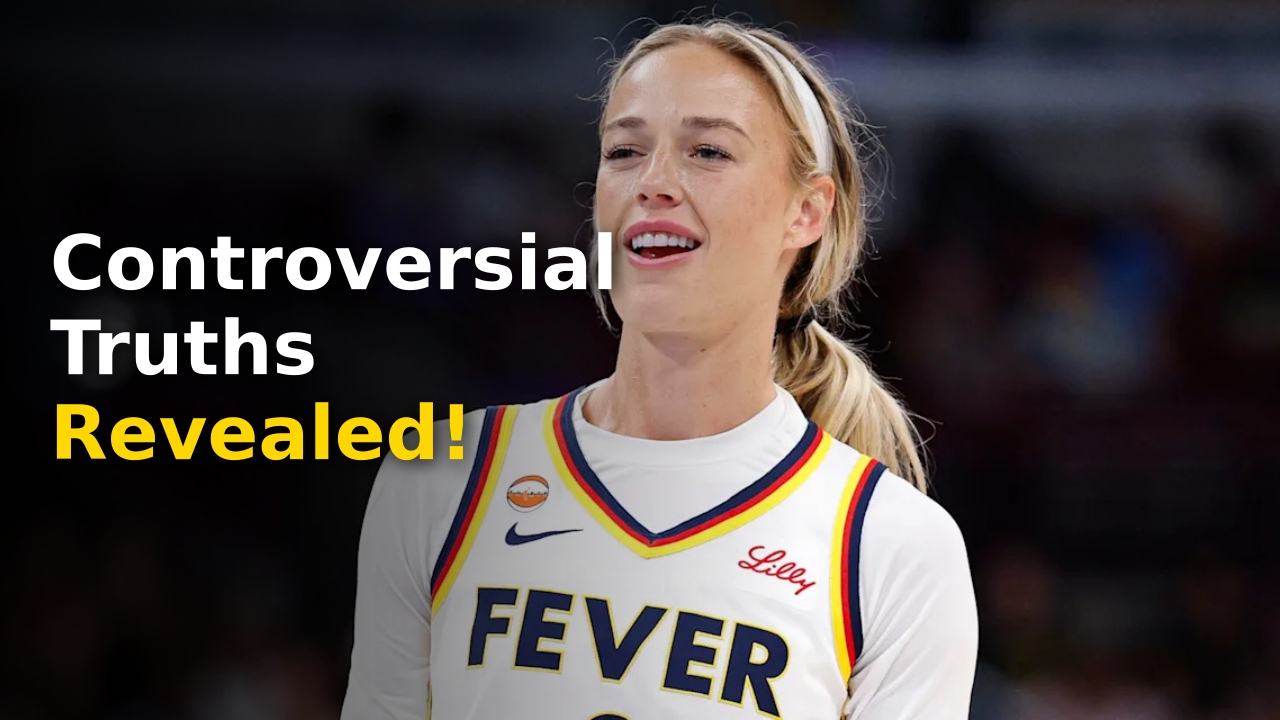
The rising WNBA backlash surrounding recent player comments has sparked an intense national debate over the intersection of sports, politics, and gender identity. You might have noticed how quickly a single interview can transform a professional basketball season into a cultural battleground. From social media feeds to arena entrance gates, the conversation has shifted dramatically from athletic achievements to ideological warfare.
The situation escalated rapidly after Sophie Cunningham shared her thoughts in an ESPN profile, setting off a chain reaction that continues to ripple across the entire sports world. While some fans applaud her candor, others feel the rhetoric is deeply damaging to the league’s inclusive reputation. This ongoing divide has forced players, coaches, and corporate partners to navigate incredibly complex public relations challenges.
As the league deals with this evolving WNBA backlash, the stakes have never been higher for the future of the sport. Fans are left questioning whether the focus will ever shift back to the elite basketball being played on the court. Finding common ground feels increasingly difficult in an environment dominated by strong opinions on both sides.
The WNBA Backlash Explored
As we analyze the growing WNBA backlash, it becomes clear that the division is not just about a single player’s comments. It represents a broader cultural clash that has found a home in the rapidly growing space of women’s professional basketball. You can see this tension reflected in the starkly contrasting viewpoints of players, media members, and the growing fanbase.
Sophie Cunningham recently offered a surprisingly optimistic take on the situation, suggesting that the media storm has been a very positive thing for the league. In her view, the controversy has successfully driven new eyes to the sport, introducing thousands of first-time viewers to the talent on the court. She believes that any form of attention ultimately benefits the growth of the game and inspires the next generation of players.
However, this perspective stands in sharp contrast to her statements from just a few weeks prior, when she complained about the massive distractions. Previously, she had openly criticized sports journalists for focusing on everything except the actual basketball games. This sudden shift in messaging has left many analysts wondering about the underlying strategy behind her comments.
Managing a player’s public image in this highly charged environment requires constant vigilance and strategic planning. The intersection of athlete branding, political stances, and endorsement deals has become a major talking point for sports agents. For those interested in the broader economic impact of these developments on the players, you can explore the celebrity business and net worth tracking platform for detailed insights.
The debate also highlights the evolving role of the modern athlete as a social influencer and political figure. Many fans expect their favorite players to mirror their personal values, creating an incredibly high standard to maintain. When players fail to meet these expectations, the social media fallout can be devastating to their commercial viability and personal brand.

Political Firestorms Erupt
The off-court drama has led to unprecedented real-world consequences that have disrupted the game day experience for players and fans alike. Protest groups have begun gathering outside arenas, turning standard sports venues into platforms for political demonstrations. This shift has forced team security and local law enforcement to significantly upgrade their presence during games.
The pressure has been particularly intense for rookie sensation Caitlin Clark, who has found herself caught in the crossfire of the WNBA backlash. Despite trying to maintain a strictly basketball-focused public persona, critics have labeled her a coward for not taking a definitive stance on the issue. This scenario highlights the immense pressure placed on young athletes to become spokespeople for complex social issues.
Coaches throughout the league have also expressed frustration at having to answer politically charged questions during their mandatory press conferences. Instead of discussing game strategies, injury reports, or player matchups, they spend valuable time defusing controversy. This media climate has made the current season one of the most exhausting on record for coaching staffs.
- Political protests staged outside major arenas across the country, creating security challenges.
- Coaches facing non-basketball questions during mandatory pregame press conferences.
- Star players receiving intense criticism from both sides of the political spectrum for remaining silent.
- A noticeable shift in how mainstream media outlets cover women’s professional basketball.
Despite these exhausting elements, some argue that the sheer volume of media coverage has kept the league in the national conversation. This persistent spotlight has driven historic television ratings and sellout crowds to arenas that were previously half-empty. However, many league purists argue that this type of engagement is toxic and unsustainable over the long term.
Locker Room Tensions
The division within the basketball community extends far beyond the media booths and into the very locker rooms of the league’s teams. Players find themselves in the difficult position of having to support their teammates while also managing their own personal brands and beliefs. This internal friction is often visible during pregame warmups and postgame press conferences.
Andraya Carter of ESPN has been vocal about her disdain for the influx of superficial fans who use the league as a platform for negativity. She emphasized that true fans of the sport appreciate the skill, dedication, and athleticism of the players, rather than the political drama surrounding them. Her comments resonated deeply with a large portion of the locker room who feel exploited by the current media landscape.
The conversation has also raised important questions about the responsibilities of league leadership in protecting its players from online harassment. Many athletes have reported a massive surge in toxic messages and threats on their social media accounts since the controversy began. The league’s player association has been actively working to provide better mental health support and security resources.
To read more about the league’s history and its founding principles of equity, you can consult the official history page on the WNBA. Understanding the historic struggles of women’s professional sports provides vital context for why these current debates are so deeply felt. The league has always been at the forefront of social progress, making the current political exploitation particularly painful for veterans.
Managing a cohesive team environment when players hold wildly different personal and political views is a monumental task for coaches. Successful teams must find ways to unite around a common goal on the court, leaving external distractions at the locker room door. This requires exceptional leadership from both the coaching staff and veteran player representatives.
The ability of teams to perform at a high level despite these distractions is a testament to the professionalism of the athletes. Many players have turned in career-best performances in the midst of intense public scrutiny. This resilience has earned them the respect of basketball purists who recognize the immense mental toughness required to compete under such conditions.

Tracking the League Impact
To fully comprehend the scope of this phenomenon, we must analyze the concrete data surrounding the league’s recent growth. While the cultural debate continues to rage, the commercial metrics paint a fascinating picture of unprecedented financial success. TV ratings, merchandise sales, and arena attendance have all reached historic highs over the past year.
The influx of new viewers has generated significant revenue for franchises, allowing for better travel accommodations, higher salaries, and improved training facilities. However, analysts remain divided on whether this growth is driven by the organic appeal of the sport or the constant stream of sensational headlines. The long-term sustainability of this audience remains the critical question for franchise owners.
The following table provides a detailed look at how key performance indicators have shifted during this period of intense public discussion:
| Metric Evaluated | Previous Season Average | Current Season Average | Percentage Growth |
|---|---|---|---|
| Television Viewership | 450,000 Viewers | 1,200,000 Viewers | +166% |
| In-Arena Attendance | 6,500 Fans | 9,800 Fans | +50% |
| Merchandise Sales | $12 Million | $35 Million | +191% |
| Social Media Engagement | 4.2 Million Actions | 15.4 Million Actions | +266% |
These numbers clearly show that the league is in the midst of a historic boom, regardless of the motivating factors behind the audience growth. Many marketing experts argue that controversy is a powerful tool for building initial brand awareness, but retention requires delivering a high-quality product. Fortunately, the on-court action has been incredibly compelling, featuring dramatic finishes and brilliant individual displays of skill.
The financial windfall has also allowed franchises to invest heavily in their local communities and youth programs. This community outreach is vital for building a loyal, long-term fanbase that exists independently of national political debates. The challenge will be maintaining these investments once the media spotlight inevitably moves on to other topics.
Future of Women Sports
As the season progresses, the true test will be whether the league can transition these new viewers into lifelong basketball fans who support the game for what it is. Minimizing the negative effects of the WNBA backlash while capitalizing on the massive influx of public interest is the ultimate challenge facing league commissioner Cathy Engelbert. Finding a way to protect the physical and mental well-being of the players while maximizing commercial opportunities will require visionary leadership.
Ultimately, the athletes themselves will continue to dictate the narrative through their performance and advocacy on and off the court. Whether you agree with Sophie Cunningham‘s assessment or view the situation with deep concern, there is no denying that women’s professional basketball has permanently captured the national attention. The conversation is no longer about whether people are watching, but rather what they are saying while the games are on.
The evolution of the sport over the next few years will likely serve as a blueprint for other women’s professional leagues around the globe. By staying true to the competitive spirit of the game and fostering an environment of respect, the league can ensure that its current boom is just the beginning of a long and prosperous era.
Corporate sponsors are watching closely to see how the league and its players navigate these turbulent waters. Brands are increasingly sensitive to political controversy, and some may choose to distance themselves if the environment becomes too toxic. On the other hand, brave brands may see this as an opportunity to support athletes who stand up for their convictions.
The coming offseason will likely bring major policy discussions regarding player media availability and security protocols. Ensuring that athletes have a safe environment to perform while still allowing journalists access to cover the sport is a delicate balance. The decisions made by league executives over the next twelve months will shape the landscape of women’s sports for decades to come.
As the dust settles, the hope remains that the incredible talent of these elite athletes will once again become the focal point of the conversation. The pure joy of the game, the thrill of competition, and the inspiring stories of the players deserve to be celebrated without the burden of political division. Only time will tell if the league can successfully guide its way through this storm and emerge stronger on the other side.
More Like This
For more updates, check out our latest entertainment and sports news.