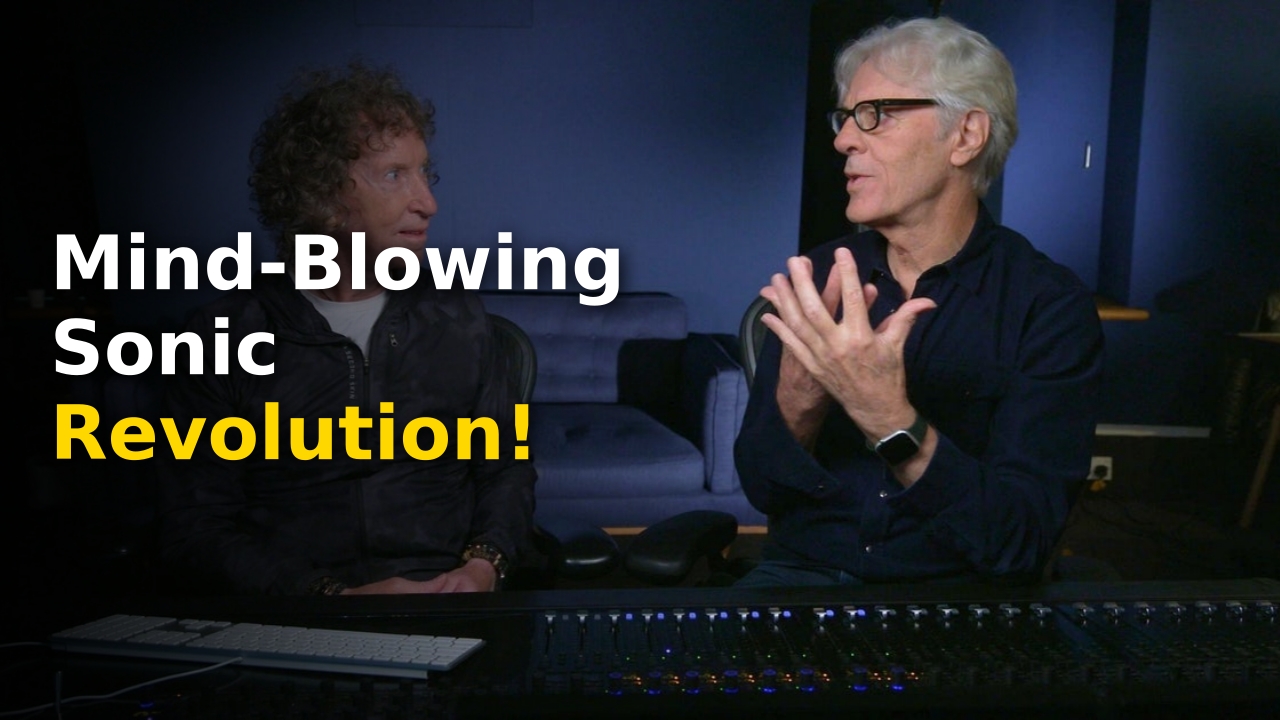
You might think you have heard every possible musical genre, but you have never heard anything quite like Wild Concerto, the groundbreaking collaborative album by legendary rock drummer Stewart Copeland and world-renowned naturalist Martyn Stewart. This masterpiece fuses high-art classical composition with the raw, untouched vocalizations of endangered animals. By blending orchestral arrangements with recordings of hyenas, howler monkeys, and owls, this symphonic project turns the natural world into the ultimate lead vocalist.
The musical masterpiece Wild Concerto is a direct response to the global ecological crisis, aiming to immortalize species that are rapidly vanishing from our planet. Recorded at the historic Abbey Road Studios, the album serves as both a musical milestone and an urgent environmental manifesto. If you want to experience how a rock legend and a cancer-battling naturalist transformed 30,000 hours of wild field recordings into the Wild Concerto symphony, this behind-the-scenes look reveals the magic.
Unveiling the Secrets of Wild Concerto
The journey behind this sonic experiment began when two completely different worlds collided in a spectacular fashion. Naturalist Martyn Stewart had spent more than sixty years traveling across the globe, capturing the pristine sounds of the animal kingdom with scientific precision. Meanwhile, Stewart Copeland had spent decades mastering high-energy rock rhythms before transitioning into a world-class orchestral composer.
Their collaboration was sparked by a shared desire to give a voice to the voiceless. With nearly 100,000 distinct recordings in Martyn’s archive, the sheer scale of the project was initially overwhelming for the duo. Copeland spent weeks listening to the tapes to identify which animals possessed the necessary musical qualities to lead an orchestra.
The Sonic Visionaries
- Stewart Copeland: The legendary co-founder and drummer of the iconic rock band The Police.
- Martyn Stewart: An acclaimed audio naturalist who has dedicated his entire life to documenting earth’s vanishing soundscapes.
- Heather Abbott: The brilliant producer who helped bring this complex, multi-layered story to the global stage.
- Abbey Road Studios: The legendary recording facility where the album was meticulously mixed and mastered.
The collaboration represents an unconventional pairing of raw rock energy and delicate environmental science. Copeland brought his signature rhythmic intensity to the project, while Martyn provided the emotional and scientific grounding. Together, they created a brand-new musical language that bridges the gap between humanity and the wild.
To ensure the authenticity of the project, the creators refused to alter the pitches of the animal calls digitally. Every howl, chirp, and squawk remains exactly as it was captured in the wilderness. This dedication to sonic truth makes the project an invaluable historical document as well as an artistic triumph.
The Abbey Road Sessions
Recording the production of Wild Concerto added an undeniable layer of prestige and pressure to the entire crew. Walking the same corridors once frequented by the Beatles, the creative team felt an immense responsibility to deliver a historic piece of art. The studio musicians had to adapt to a highly unusual arrangement where wild animals held the lead melodies.
Instead of following traditional sheet music, the orchestra often had to synchronize their playing with pre-recorded animal howls. Musicians wore high-fidelity headphones, listening directly to arctic wolves and tropical birds as they played their instruments. This forced the classically trained performers to think outside the box and embrace the unpredictable rhythms of Wild Concerto.
The resulting atmosphere in the studio was electric, filled with laughter, tears, and artistic breakthrough. Copeland guided the orchestra with his characteristic enthusiasm, shouting praises and embracing the musicians after successful takes. The legendary room became a melting pot where classical discipline met the untamed spirit of the wilderness.

How Nature Dictated the Wild Concerto
The creative process behind the album was entirely backwards compared to traditional orchestral composing. Instead of writing a melody and finding vocalists to sing it, Copeland let the natural frequencies of the animals guide his instrumentation. Every chirp, growl, and howl had an inherent musical pitch that dictated the orchestral accompaniment.
This organic approach ensured that the animals remained the genuine stars of the show rather than mere background sound effects. For example, when analyzing the deep, haunting cries of arctic wolves, Copeland realized their vocal range perfectly mirrored the slide of a brass instrument. By pairing these pack animals with a symphonic trombone, he created a chillingly beautiful harmony.
Orchestrating the Wild
- Screaming Piha: This tropical bird’s sharp, piercing whistle was paired with high-tempo woodwinds to capture its energetic rainforest presence.
- Arctic Wolves: The long, mournful howling of the pack was matched with deep trombones to create an evocative, spine-chilling duet.
- Marbled Frogmouth: The unusual rhythmic clicking of this rare bird was complemented by complex, hand-played percussion instruments.
- The Skeleton Coast Hyena: Known for having a highly diverse vocal range, its calls were layered with dramatic strings to highlight its complex emotions.
Copeland spent countless hours manipulating the playback speeds of various creature vocalizations to uncover hidden musical notes. He discovered that when you slow down certain bird calls, they reveal intricate melodies that resemble opera singers. This fascinating revelation changed how the entire production team viewed the intelligence of the animal kingdom.
The environmental message is embedded in every single note of the record. The creators wanted to ensure that listeners did not feel like they were listening to a dry, scientific lecture. Instead, they used the universal language of music to foster a deep emotional connection between the audience and the species highlighted on the tracklist.
Copeland’s Sound Odyssey
Copeland’s transition from a rock star to an orchestral composer is a fascinating journey in its own right. After selling over 75 million albums with his bandmates Sting and Andy Summers, he found himself looking for new creative avenues. A surprise phone call from legendary director Francis Ford Coppola shifted his career trajectory forever.
Coppola hired the self-taught drummer to score the experimental film Rumble Fish, believing that rhythm was the most crucial element of cinema. Copeland embraced the challenge by building rhythmic loops out of everyday street sounds, from barking dogs to industrial machinery. This early experimentation with found sound laid the creative foundation for his work decades later.
This childhood exposure to diverse genres deeply influenced his approach to composing the new album. He managed to seamlessly fuse the rebellious energy of rock music with the complex emotional structures of classical symphonies. By integrating the raw sounds of nature, he finally achieved the ultimate synthesis of his lifelong musical influences.
Statistical Breakdown of Wild Concerto
To understand the sheer technical scale of this musical achievement, it helps to examine the specific recordings utilized. Naturalist Martyn Stewart spent decades gathering these rare sounds under extreme environmental conditions. The following table highlights some of the key species featured in the project and how their voices were translated into classical music.
| Animal Species | Natural Habitat | Acoustic Characteristic | Orchestral Instrument Pairing |
|---|---|---|---|
| Screaming Piha | Amazon Rainforest | High-frequency piercing whistle | Flutes and Oboes |
| Arctic Wolf | Siberian Tundra | Low, haunting glissando howl | Tenor Trombone |
| Marbled Frogmouth | Australian Woodlands | Rhythmic clicking and clacking | Marimba and Woodblocks |
| Spotted Hyena | Namibian Desert | Multi-tonal laughing and whooping | Violins and Cellos |
| Panamanian Golden Frog | Central American Streams | Rhythmic, high-pitched chirps | Piccolo and Glockenspiel |
This structured cataloging highlights how carefully each organic sound was treated as a genuine musical voice. Martyn’s recordings are not mere sound effect tracks; they are historical records of species fighting for survival. By organizing these sounds systematically, Copeland was able to craft a cohesive sonic journey that transports listeners across different biomes.
The creation of Wild Concerto involved analyzing the spectral data of each recording to map out frequencies. This technical precision allowed the musicians at Abbey Road Studios to play in perfect key with the animals. The resulting music is a flawless integration of technology, classical orchestration, and raw nature.
As listeners dive deeper into the album, they begin to notice the subtle environmental markers within each track. The gentle hum of insects and the distant crash of ocean waves provide an immersive background layer. These details add a rich physical depth to the listening experience, making you feel as though you are standing right next to the recorders in the wild.
The Urgency of Martyn’s Mission
For Martyn Stewart, this collaborative album is far more than an artistic pursuit; it is his final testament. Currently battling terminal cancer, Martyn felt an intense urge to secure the future of his massive audio archive before it was too late. His niece Amanda, who works at the prestigious British Broadcasting Corporation, encouraged him to share his work with the world.
Martyn has spent his life listening to the earth through a microphone, treating sound as the ultimate environmental barometer. He believes that if you want to know the health of a forest or river, you simply have to listen. Sadly, many of the places he recorded decades ago have fallen completely silent due to human encroachment and climate change.
A Lifelong Love Affair with Nature
- Boyhood Escape: At just eleven years old, he began carrying a heavy tape recorder into the local Bluebell Woods to escape his troubles.
- First Recording: His very first successful recording was of a beautiful Eurasian blackbird singing in the early morning.
- Ecosystem Monitoring: For sixty years, he monitored specific wilderness areas to document how soundscapes degrade over time.
- Extreme Sound Gathering: He survived life-threatening situations, including a wild crocodile swallowing one of his active field microphones.
This historic preservation effort has captured the attention of mainstream media and celebrity news outlets like Bright Celebrity, who recognize the profound impact of this crossover project. By moving these recordings from quiet scientific archives to mainstream music streaming platforms, Martyn hopes to reach an entirely new audience. If people can fall in love with the music of these animals, they might be inspired to protect them.
The physical toll of gathering these sounds cannot be overstated. Martyn spent months living in frozen tundras, humid rainforests, and scorching deserts to capture the perfect acoustic moment. His dedication has resulted in one of the most comprehensive libraries of natural soundscapes in existence today.
By collaborating with a high-profile rock icon, Martyn successfully elevated his environmental message to a global platform. The launch of the album has sparked a renewed interest in acoustic ecology among younger audiences. It proves that classical music can be used as a powerful tool for modern activism.
Capturing the Sound of Extinction
Tragically, some of the recordings featured in this project are the only remaining evidence that these animals ever existed. The Northern White Rhino and the Panamanian Golden Frog are now extinct in the wild, leaving behind only digital echoes. Martyn describes his archive as a beautiful yet haunting mausoleum of lost biological diversity.
This tragic reality gives the music an undeniable emotional weight that transcends typical classical releases. When you listen to the tracks, you are not just hearing beautiful melodies; you are hearing the actual voices of ghosts. Copeland and Martyn designed the symphonic backing to act as a protective embrace, keeping these voices alive for future generations.
The environmental message of the project is clear: humanity must stop stealing from the natural world before it is too late. By turning these ecological warnings into accessible art, the creators hope to inspire global conservation efforts. They believe that music has a unique power to bypass intellectual defenses and touch the human heart directly.
The Lasting Legacy of Wild Concerto
Ultimately, Wild Concerto stands as a testament to what can be achieved when human creativity aligns with the natural world. By blending the untamed genius of nature with the structured beauty of an orchestra, Copeland and Martyn have created an entirely new genre. The project challenges us to listen more closely to the world around us and acknowledge our place within the global ecosystem.
Whether you are a devoted fan of rock music, a classical aficionado, or an environmental advocate, this album offers a deeply moving experience. It forces us to confront the reality of mass extinction while celebrating the breathtaking beauty of the creatures we still have. As the final notes of the symphonic animal chorus fade away, the message remains clear: the concert of life is one we cannot afford to let go silent.
Through this emotional artistic journey, the creators have built a bridge between two worlds that rarely interact. The release of Wild Concerto will undoubtedly inspire future generations of musicians and naturalists to work together. It reminds us all that the earth itself is the original and most beautiful composer.
More Like This
For more updates, check out our latest entertainment and sports news.