Key Takeaways
| The Wichita Edge facility permanently ceased operations on August 31, 2024. |
| Twelve high-quality basketball courts have been removed from the local youth sports rotation. |
| Local basketball organizations are now facing an immediate shortage of practice and tournament space. |
| Financial struggles led to the closure of the venue formerly known as Wichita Hoops. |
Wichita Edge closing has sent shockwaves through the local community, effectively leaving youth sports teams scrambling for courts just as the busy fall season arrives. You might be wondering how such a massive hub for amateur athletics could simply vanish overnight, but the reality involves years of mounting financial pressure that finally hit a breaking point on August 31.
For years, the facility—formerly branded as Wichita Hoops—served as the heartbeat of regional basketball. Its 12 hardwood courts hosted everything from grassroots developmental clinics to high-stakes travel tournaments that drew families from across the state. Now, those families are left searching for alternatives, creating a logistical nightmare for league directors and coaches.
The Impact of Wichita Edge Closing
When a massive venue like this shuts its doors, the ripples are felt far beyond the physical building. Coaches are currently navigating a landscape where gym space is at a premium, with many public school districts already at maximum capacity for their own extracurricular programs. This displacement isn’t just an inconvenience; it threatens the viability of several local youth programs that relied exclusively on the facility for their seasonal scheduling.
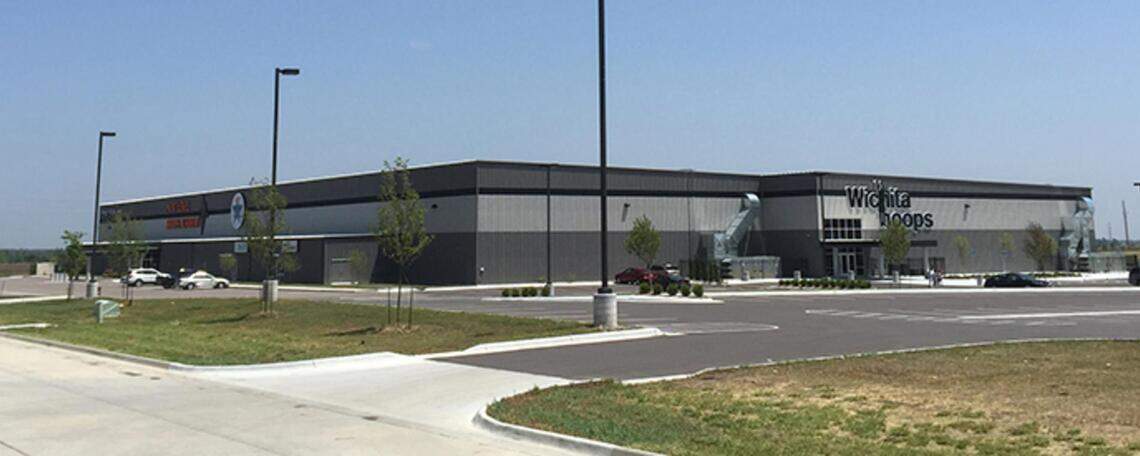
The loss of 12 dedicated courts creates an immediate supply-demand imbalance in the local youth sports market. Organizations that had already paid deposits or finalized schedules for the upcoming winter league are now scrambling to secure time slots in smaller, less equipped gyms. This shift forces teams to practice at odd hours, sometimes as late as 9:00 PM on weeknights, putting additional strain on parents and student-athletes alike.
Economic analysts often point to the fragility of private sports complexes. Unlike public facilities subsidized by tax dollars, these businesses must navigate the precarious balance of rising overhead, maintenance costs, and volatile registration numbers. Without consistent growth in tournament participation, even the most established facilities can quickly slide into a cycle of debt, leading to the unfortunate end seen here.
Wichita Edge Facility Breakdown
The facility was widely considered a regional landmark for competitive play. To understand the scale of the loss, consider the following data points regarding the capacity and utility that has been stripped from the local ecosystem.
| Category | Impact Level |
|---|---|
| Total Basketball Courts | 12 |
| Weekly Foot Traffic | Thousands of athletes and families |
| Facility Type | Multi-purpose indoor sports complex |
| Primary Utility | Tournament hosting & daily training |
Expert Take and Market Analysis
Industry experts observe that this closure is symptomatic of a broader national trend in youth sports. As Forbes business analysis of sports facilities often highlights, the industry is seeing a massive consolidation. Smaller, independently owned complexes are finding it nearly impossible to compete with modern, municipally backed sports plexes that offer auxiliary amenities like food courts, specialized performance gyms, and integrated digital streaming services.
By the numbers, the removal of 12 courts is equivalent to losing nearly 150 hours of floor time per week. For a city the size of Wichita, this is a major deficit. Coaches are now forced to explore youth athletics facility management alternatives that require longer commutes, adding significant travel costs for families already paying high travel-team fees. The transition period is expected to be rocky for at least the next two full seasons while private investors potentially explore new opportunities.
We must also consider the role of Wichita sports history. Venues like this were not just about basketball; they were community hubs. The loss of these spaces reduces the frequency of social interaction and regional networking, which are vital components of the modern American sports landscape. When the local Wichita Edge closing news first broke, it highlighted the deep emotional and financial dependency teams had on this single piece of infrastructure.
People Also Ask
What happened with Wichita Edge today?
The Wichita Edge facility permanently closed its doors on August 31, 2024, due to long-term financial struggles. The closure resulted in the loss of 12 functional basketball courts.
Why is the Wichita Edge closing trending right now?
The closure is trending because it has left hundreds of youth basketball teams without a venue for their upcoming tournaments and daily practice routines. It has created a massive logistical crisis for local sports leagues.
How does this affect Wichita youth sports?
It forces teams to compete for limited space in public school gyms and smaller facilities, often resulting in inconvenient scheduling and increased travel times for parents and athletes.
When did Wichita Hoops become Wichita Edge?
The facility underwent a rebrand from Wichita Hoops to Wichita Edge during its latter years of operation before finally succumbing to debt.
Future Outlook for Local Athletes
While the immediate future looks challenging, history suggests that demand will eventually foster supply. Whether through local real estate development or the repurposing of existing warehouses, the need for basketball courts remains high. Parents should continue to monitor local youth sports updates for new venue announcements as the community adjusts.
The saga of the Wichita Edge closing is ultimately a reminder of the fragility of local infrastructure. As we move forward, the focus must shift toward sustainable models that ensure our children always have a place to play, compete, and grow as athletes. For now, the city waits to see what will fill the void left by these 12 hardwood courts.
More Like This
For more updates, check out our latest entertainment and sports news.