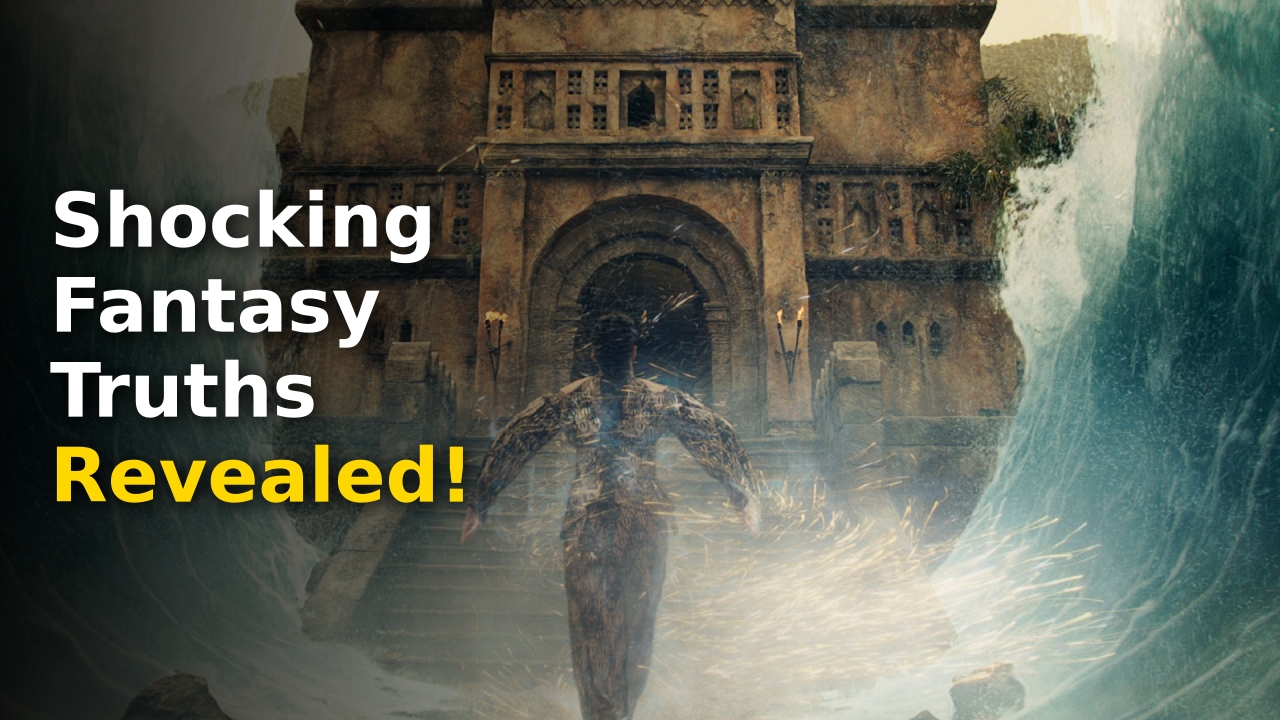
Wheel of Time remains the most ambitious attempt by Amazon to capture the high-stakes, gritty essence of the genre while balancing the legacy of legendary literary icons. You have likely spent hours wondering why the streaming giants are so obsessed with recreating the magic of Westeros, but the truth lies in the undeniable appetite for epic, sprawling narratives that define modern television.
As Prime Video navigates the competitive landscape of epic fantasy, this series attempts to bridge the gap between the dark political maneuvering of George R.R. Martin and the monster-slaying aesthetic made famous by Andrzej Sapkowski. You are invited to explore a world where the stakes are life-and-death, the magic is both a gift and a curse, and the shadows hide dangers far worse than simple politics.
The Wheel of Time Legacy
When you look at the evolution of television, The Wheel of Time serves as a pivotal bridge for fantasy enthusiasts seeking depth beyond the standard tropes. The project relies on the dense, 15-book source material co-authored by Robert Jordan and Brandon Sanderson, which provides a level of world-building that most shows can only dream of achieving. Unlike its contemporaries, this series focuses on an ensemble cast where choices ripple across the continent, affecting the fate of all humanity.

The narrative centers on Moiraine, a formidable member of the Aes Sedai, as she embarks on a desperate search for the reincarnation of the Dragon. You quickly realize that this character isn’t just a guide; she is a political operator in a world where magic is strictly regulated and deeply feared. The tension between the Aes Sedai and those who view their power as an abomination creates a constant, palpable anxiety that drives the plot forward.
While Game of Thrones relied heavily on gratuitous violence and explicit political backstabbing to maintain its grip on the audience, this show opts for a slightly more elevated, though still gritty, approach. The aesthetic is heavily influenced by the high-fantasy tradition, yet it feels grounded in the visceral, mud-splattered reality of a world under siege. You will find the character arcs shifting from simple heroism to complex moral quandaries as the Dark One forces everyone to choose their side.
You may wonder if the show succeeds in its mission, and the answer lies in the 88% approval rating on Rotten Tomatoes. The progression from the first season to the third shows a marked refinement in pacing, production design, and character interaction. Critics often point to the series as a masterclass in adapting an unadaptable series, though the constraints of modern production budgets remain a harsh reality for the industry.
The behind-the-scenes reality of production is as dramatic as the story on screen, often involving intense contract negotiations and massive financial hurdles. To learn more about how industry shifts impact your favorite shows, you should visit the latest entertainment news hub for detailed breakdowns of these television industry trends. Every dollar spent on CGI, prosthetics, and location scouting translates into the visual spectacle you see on your screen.
Ultimately, the show stands as a testament to the fact that high fantasy is no longer a niche genre but a global powerhouse. You are witnessing a transition in media where the line between cinema and television is blurring, resulting in experiences that demand your full attention and investment. The story may be ending at three seasons, but the influence it leaves behind will likely dictate the next decade of fantasy storytelling.
Key Pillars of the Series
- Moiraine’s Quest: The heart of the story driving the search for the Dragon.
- The Aes Sedai: A complex, all-female organization wielding massive, unstable power.
- Political Intrigue: Mirroring real-world power struggles within a fantasy framework.
- Visual World-Building: Establishing the grit and aesthetic of the Third Age.
- The Dark One: A central, looming threat that provides the ultimate stakes.
Comparing Global Fantasy Franchises
The competition between the major streamers is fierce, with each platform vying for the crown of the ultimate fantasy destination. Netflix dominated with the early seasons of The Witcher, leaning into the charismatic, monster-hunting persona of Geralt of Rivia. Meanwhile, HBO continues to defend its territory with the legacy of Westeros and the ongoing saga of the Targaryens. Your preferences likely dictate which of these platforms you favor, but all three have fundamentally changed how fantasy is consumed.
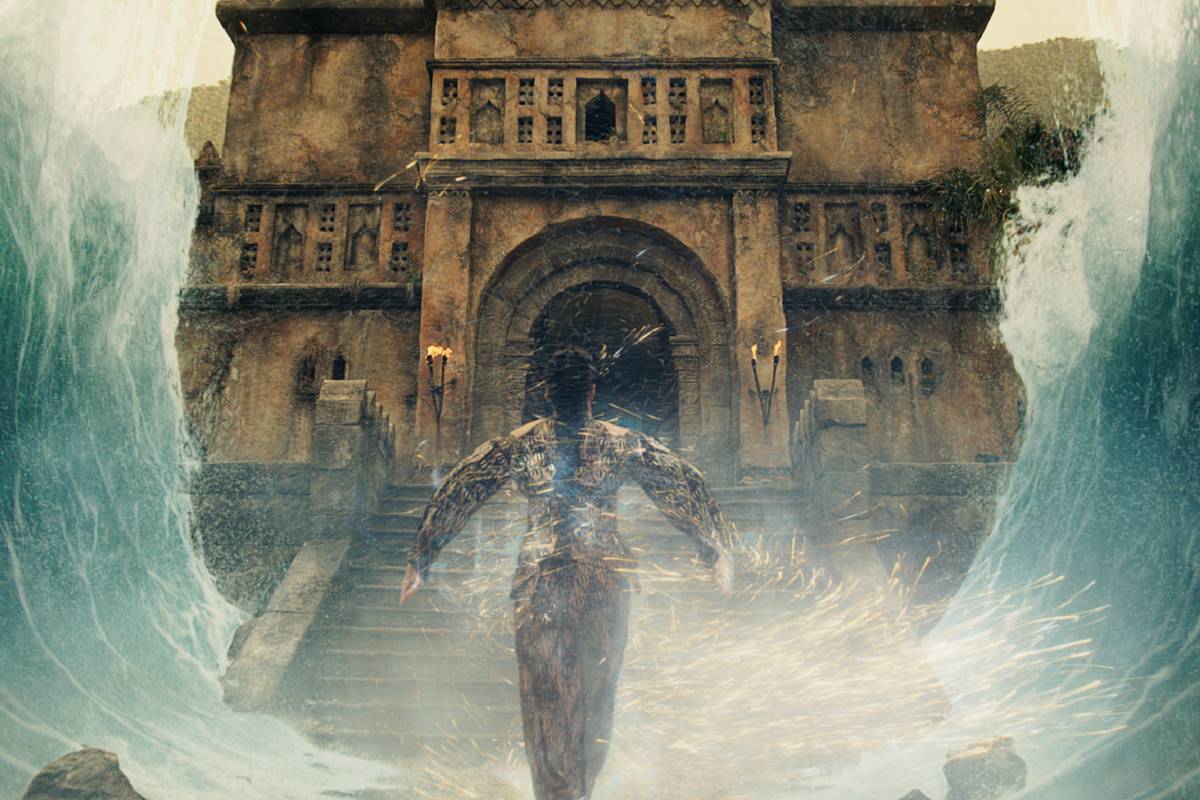
When you contrast these shows, you see a deliberate attempt to capture different facets of the human experience. Game of Thrones explores the rot of power, The Witcher explores the survival of the individual in a broken system, and the series we are discussing here explores the burden of destiny. You can see how each show fills a specific void, making it harder for the average viewer to choose just one to watch.
Budgetary constraints, such as those that affected The Rings of Power, have forced executives to make difficult decisions regarding the longevity of their flagship properties. You might be frustrated that a 15-book series is cut short, but this reflects a broader industry movement toward shorter, high-impact television cycles. The focus has shifted from endless, rambling seasons to tighter, more focused narratives that provide a conclusive experience.
Marketing plays a huge role in how you perceive these shows, with massive campaigns designed to build hype long before the first episode drops. You have likely seen the trailers and the posters, all promising an experience that combines the best elements of the genre. The success or failure of these shows often depends on whether they deliver on those high-octane promises to the core fan base.
As you watch, consider the technical prowess involved in bringing these magical systems to life on a television budget. The Aes Sedai magic, the armor of the guards, and the creature designs all require immense talent from specialized departments. It is these details that separate the hits from the forgotten projects, keeping fans engaged even when the narrative takes a slower turn.
Looking ahead, the landscape of fantasy will likely continue to evolve as new technologies become available for independent creators. You might see a move away from the massive budget requirements of the big streamers as AI and better CGI software become more accessible. This could lead to a golden age of diverse, smaller-scale fantasy projects that do not rely on the massive, 15-season formats of the past.
Project Metrics and Impact
| Series Title | Network | Genre Focus |
|---|---|---|
| Game of Thrones | HBO | Political Intrigue |
| The Witcher | Netflix | Monster Hunting |
| Wheel of Time | Prime Video | Epic Destiny |
Final Thoughts on the Franchise
Despite the bittersweet news of its cancellation, the legacy of this series will persist through the original source material. You should view the show as a vibrant, visual introduction to a universe that spans decades of literary history. Whether you continue with the books or re-watch your favorite episodes, you now have a foundation to appreciate the depth of the world-building involved.
Ultimately, Wheel of Time proves that even shorter runs can leave a massive impact on the cultural conversation. By blending the dark grit of its predecessors with a unique, high-fantasy magic system, it carved out a space that will be remembered for years. Keep an eye on the fantasy genre as it continues to shift, for there is always a new legend waiting to be told on screen.
More Like This
For more updates, check out our latest entertainment and sports news.