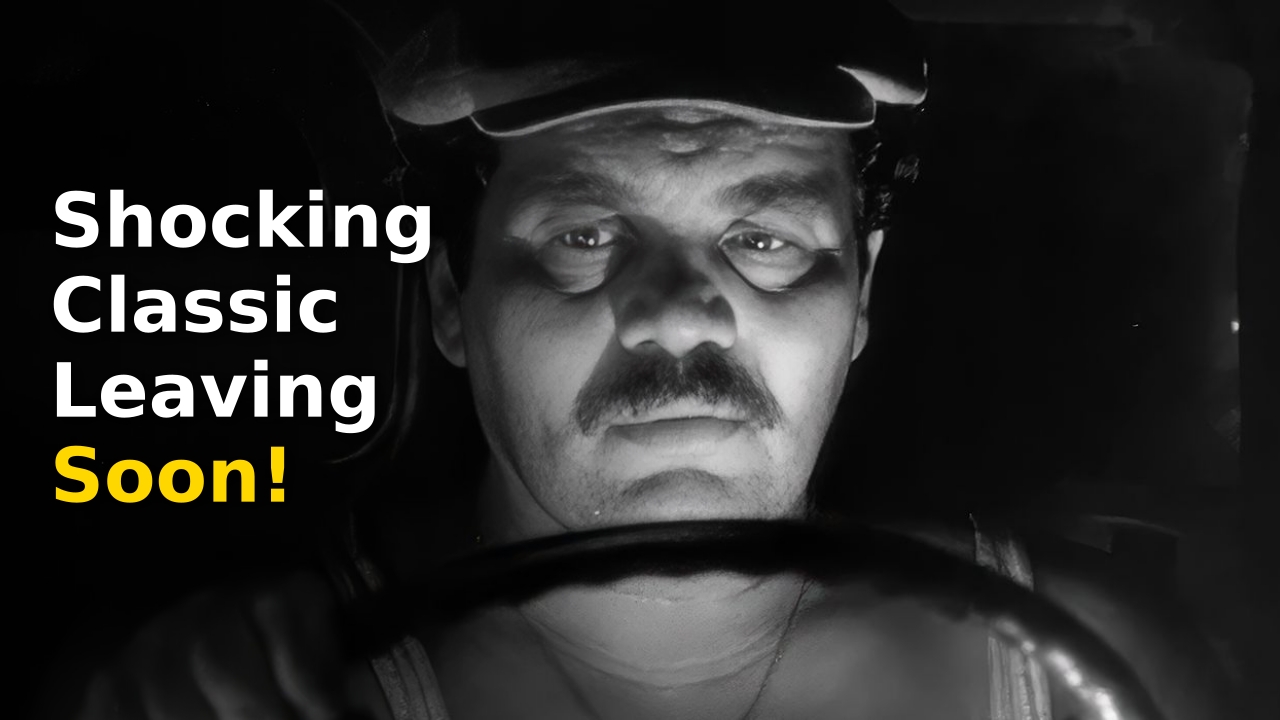
Wages of Fear is the definitive masterclass in suspense that has quietly shaped the DNA of every high-stakes thriller you have ever obsessed over. If you have ever felt your pulse spike while watching a modern action set-piece, you are essentially feeling the aftershocks of this 1953 cinematic earthquake.
You might recognize the premise from later homages, but experiencing the original is a rite of passage for any serious film enthusiast. HBO Max is set to pull this title from their library on September 30, meaning your window to witness the blueprint of modern tension is closing fast.
Understanding Wages of Fear Mastery
Henri-Georges Clouzot didn’t just make a movie; he constructed a pressure cooker designed to test the limits of human endurance. When four desperate men are hired to drive trucks laden with volatile nitroglycerin across treacherous, war-torn terrain, the film transforms into a brutal study of cowardice and greed.
You see the sweat, you hear the straining engines, and you feel the claustrophobic dread of a journey where a single vibration could vaporize the cast. This is not just a film about driving; it is a psychological experiment that forces you to question what you would sacrifice to escape a dead-end life.
Critics often compare this to the best works of Alfred Hitchcock, yet Clouzot’s vision is arguably bleaker and more visceral. By stripping away the polish of Hollywood, the director forces his audience into the driver’s seat, making you an unwilling participant in the dangerous mission.

The technical achievement of the 1953 production remains staggering even by today’s standards of digital effects. Without the safety net of CGI, the physical danger to the actors and the crew was palpable on set, injecting a raw, dangerous energy into every frame.
For those curious about the financial and cultural influence of this era on today’s celebrity landscape, checking out the latest industry analysis provides fascinating context. The film proved that audience engagement relies not on spectacle, but on the agonizing anticipation of the inevitable.
Many modern directors study these scenes to learn how to stretch a moment of suspense until it nearly breaks the viewer. If you appreciate the craft behind the camera, you will find this work essential to your understanding of global cinema.
Technical Pillars of Suspense
- The use of diegetic sound to build crushing atmosphere.
- Narrative structure that punishes impulsive decisions.
- The shift from survival drama to existential noir.
- Innovation in practical effects and camera mounting.
- Subversion of traditional hero archetypes in film.
The Legacy and Comparison Table
The impact of this story has rippled through decades, leading to major adaptations like William Friedkin’s 1977 masterpiece, Sorcerer. While Friedkin maintained that his film was a fresh adaptation of the original 1950 novel, the shadow of Clouzot’s initial triumph loomed large over the production.
You can see the evolution of the genre by looking at how different eras approached the same source material. The 1953 original remains a bastion of pure, unfiltered tension that refuses to bow to modern demands for comfortable resolutions.
When you compare the original with the 2024 Netflix update, you notice how the core narrative remains as potent today as it was seven decades ago. This resilience is the ultimate mark of a classic, proving that the fear of death and the desire for wealth are truly universal themes.
| Film Title | Release Year | Director | Core Focus |
|---|---|---|---|
| The Wages of Fear | 1953 | H.G. Clouzot | Existential Dread |
| Sorcerer | 1977 | William Friedkin | Desperation |
| Wages of Fear | 2024 | Julien Leclercq | Modern Action |
Every iteration serves a different purpose, yet none manage to eclipse the singular intensity of the original 1953 release. When Quentin Tarantino calls a film one of his favorites, you know there is a specific, jagged edge to the storytelling that demands your respect.
This film does not just tell a story; it drags you through the mud and forces you to stare into the abyss. It is the kind of cinematic experience that stays with you long after the credits roll.
If you find yourself seeking more historical cinematic insights, you might want to look into global entertainment industry trends to see how classic storytelling continues to influence big-budget blockbusters today. The connection between past masters and current visionaries is what keeps the industry evolving.
Quentin Tarantino and Influences
It is no secret that Quentin Tarantino favors directors who are willing to take massive risks with tone and pacing. The way Clouzot handles the build-up of tension is exactly the kind of formal daring that has defined Tarantino’s own career.
You see these echoes in the long, conversation-heavy scenes of Pulp Fiction or the brutal, deliberate pacing of The Hateful Eight. The original film serves as a blueprint for directors who understand that waiting for the explosion is far more satisfying than the explosion itself.
The influence of Henri-Georges Clouzot extends beyond just the thriller genre. His work is a masterclass in visual storytelling, where every camera angle serves a specific purpose in building the audience’s anxiety. You are not a spectator; you are a hostage to his pacing.
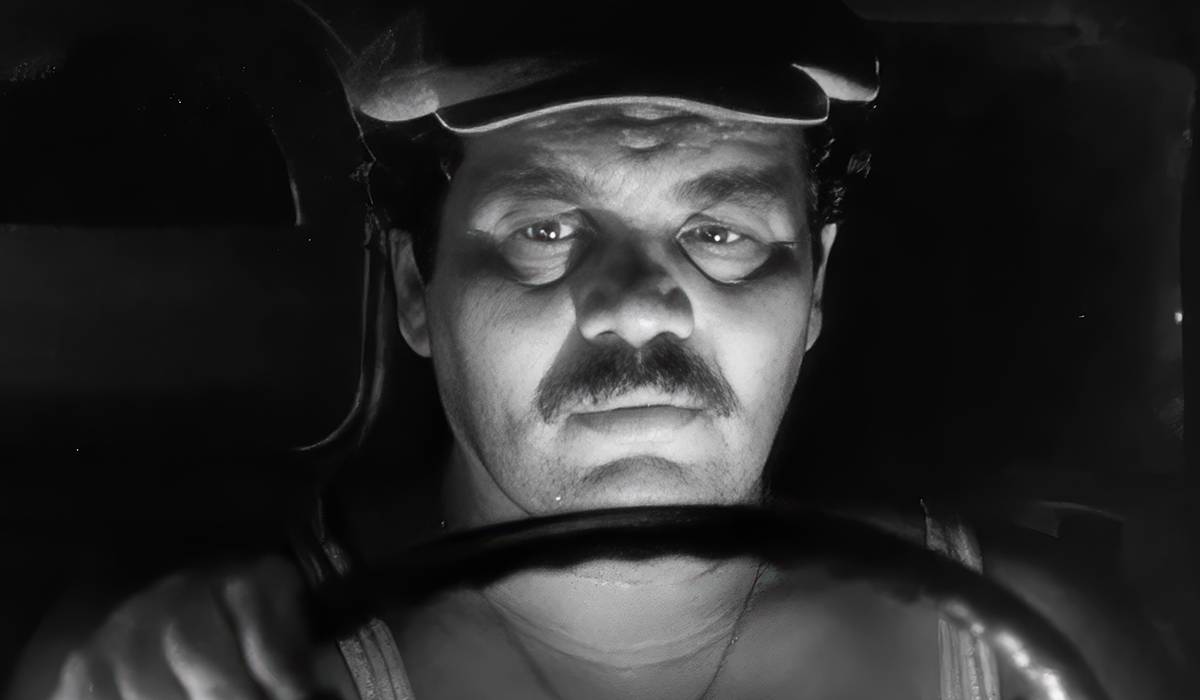
Many filmmakers are terrified of silence, but Clouzot embraced it. By allowing the silence of the landscape to weigh on the characters, he creates an atmosphere where the slightest sound becomes a threat. This is a lesson that Christopher Nolan and other masters of modern suspense clearly took to heart.
If you watch the movie today, you will be surprised by how modern it feels. The themes of class struggle, corporate negligence, and the fragility of life are as relevant now as they were seven decades ago. This is a story about the intersection of human ego and the indifferent cruelty of nature.
As we watch these men struggle against the impossible, we see our own fears reflected back at us. This is why the film remains a fixture on top-ten lists for directors and critics alike. It is a work of art that refuses to simplify the human condition.
The Final Verdict
As the clock ticks down toward September 30, you owe it to your cinephile self to watch Wages of Fear before it vanishes from HBO Max. It is a rare opportunity to witness a true pillar of the thriller genre in its original, uncut form.
Whether you are a fan of William Friedkin’s work or simply looking for a film that will keep you on the edge of your seat, this masterpiece delivers on every level. You aren’t just watching a movie; you are engaging with the history of the art form.
Make the time to see it, study it, and let it haunt your imagination for a while. After all, the best films are the ones that continue to live in your mind long after the screen goes black.
More Like This
For more updates, check out our latest entertainment and sports news.