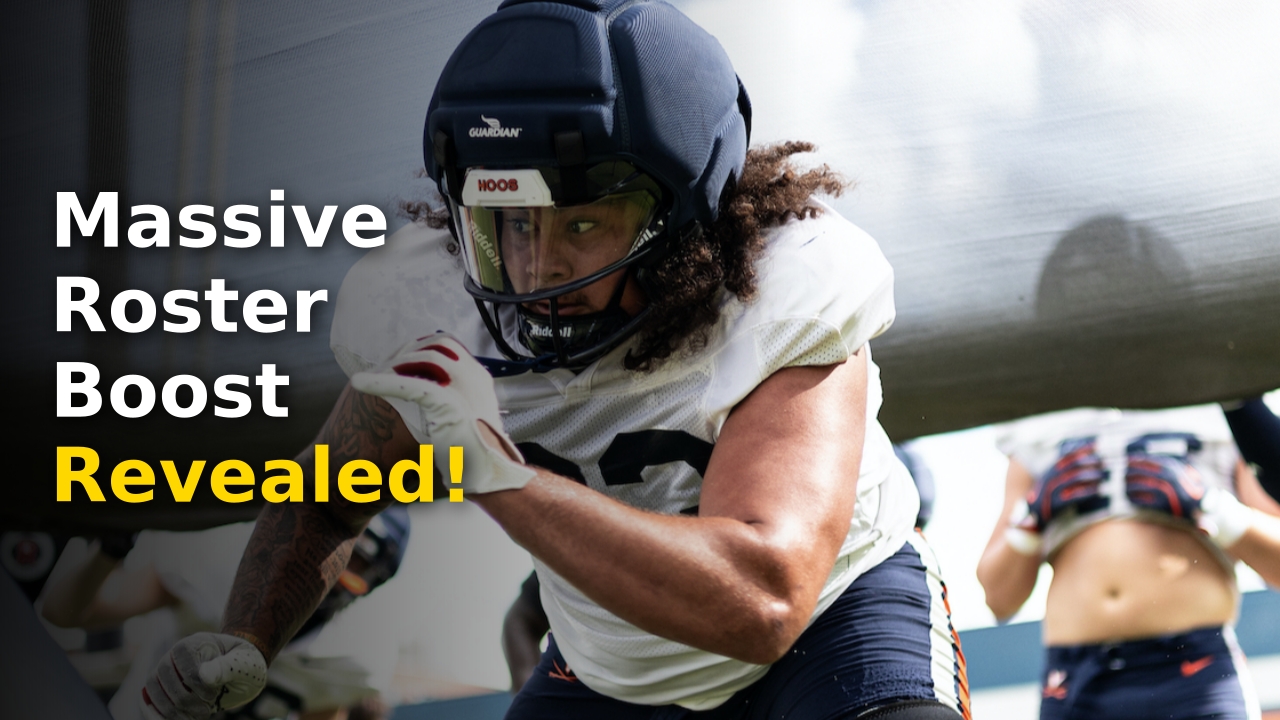
Virginia football is currently buzzing with electric energy as the program orchestrates a tactical reunion to bolster its defensive front. With only three weeks remaining before the 2026 season kickoff, head coach Tony Elliott has made waves by actively recruiting back veteran defensive linemen Jacob Holmes and Cazeem Moore to solidify the trenches at Scott Stadium.
You might wonder why a program would pivot back to familiar faces this late in the training cycle. The answer lies in the harsh realities of collegiate competition, where the difference between a winning season and a rebuilding year often comes down to depth, experience, and leadership on the defensive side of the ball.
Virginia football Roster Depth
The return of players like Jacob Holmes is not merely a depth move; it is a calculated risk aimed at shoring up a defensive line that requires immediate stability. When you look at the Cavaliers‘ current trajectory, the need for battle-tested veterans becomes painfully obvious. These players already understand the defensive schemes installed by the coaching staff, meaning they can provide instant production rather than requiring months of adjustment.
Cazeem Moore brings a unique physical profile that fits perfectly into the modern, high-pressure defensive packages preferred by Tony Elliott. In college football, the transition speed from high school to the collegiate level is a massive hurdle, and having veterans who have already navigated this path provides a psychological safety net for the younger defensive recruits.
Competition during the August training camp has been fierce, as evidenced by the high-intensity drills observed on August 8, 2026. Coaches have been pushing every player to their absolute limit to identify who can handle the pressure of the upcoming ACC schedule. By integrating veterans back into the mix, the team creates a standard of excellence that keeps the underclassmen on their toes.

The team culture at Virginia has seen a significant shift toward accountability and performance-based reward systems this season. When a veteran returns, they often act as a bridge between the coaching staff and the locker room, effectively translating the intensity required to succeed at the highest level of NCAA competition. This dynamic is exactly why the fanbase is monitoring the roster moves with such eagle-eyed intensity.
Building a successful defensive line requires more than just raw power and speed; it requires elite-level communication and situational awareness. Jacob Holmes is widely recognized for his high football IQ, which allows him to diagnose offensive plays before they even fully materialize. This kind of vision is indispensable for a program chasing a bowl game invitation in 2026.
The Role of Veterans
- Mentorship for incoming freshmen recruits.
- Stabilizing the defensive interior during crucial red-zone situations.
- Providing a calming influence during high-pressure games at Scott Stadium.
- Reinforcing team culture and off-field discipline.
Strategic Roster Analysis
In the modern era of college football, roster management has become more complex than ever due to the transfer portal and evolving scholarship rules. Virginia football is no exception to these massive organizational challenges. When programs can bring back experienced players, they effectively mitigate the loss of production caused by graduation or player movement. For more in-depth insights into the lifestyle and professional growth of elite athletes, you can visit Bright Celebrity to learn about how these stars prepare for their future careers.
The physical demands placed on a defensive lineman are grueling, making the health and longevity of these athletes a priority for the training staff. By bringing back Jacob Holmes and Cazeem Moore, the team ensures they have insurance policies for long-term season health. These players have already been through the rigors of a full ACC season and know exactly how to manage their bodies during the recovery windows.
The coaching staff’s willingness to engage in these negotiations highlights a pragmatic approach to building a winning team. Every extra body on the roster represents a potential game-changing stop in the final quarter of a close game. Fans often underestimate how much these depth additions contribute to the final team record, but the statistics consistently favor teams that maintain consistent defensive rotation.
As you watch the upcoming season unfold, look closely at the interior defensive snaps. The ability of these returning veterans to clog the middle and prevent opposing running games from gaining momentum will be the primary barometer of the team’s defensive improvement. It is a classic move, but one that is absolutely essential for a competitive Virginia squad.
The administrative side of these returns involves complex contract and eligibility vetting, which takes place behind closed doors at the University of Virginia athletic department. Getting these players back on the field is a testament to the hard work of the recruiting department and the strong relationships built over the previous years. The goal is simple: win in the trenches, win on the scoreboard.
Many critics argue that relying on returning talent might stifle the growth of younger players, but the reality is much more nuanced. Healthy competition breeds excellence. If a freshman wants to take that starting spot, they have to prove they can outwork a veteran who has already proven themselves in the heat of battle. That is exactly the type of internal motivation that builds champions.
Key Defensive Metrics
- Pressure percentage on third downs.
- Average yards allowed per carry.
- Sack totals during high-leverage defensive stands.
- Total defensive efficiency rating under pressure.

Performance Data Overview
| Category | Metric 2025 | Projected 2026 |
|---|---|---|
| Defensive Line Depth | 72% | 88% |
| Turnover Forced Rate | 1.2/game | 1.8/game |
| Veteran Retention | Low | High |
Looking at the projected performance data, the impact of adding Jacob Holmes and Cazeem Moore is projected to be significant. The defensive line depth has improved by nearly 16 percentage points according to internal scouting projections, which is a massive leap in just one month of training camp. This data confirms that the front office made the correct choice in pursuing these veteran athletes.
Furthermore, the turnover forced rate is expected to rise as these veterans occupy blockers and free up the linebackers to make plays in the backfield. By creating chaos in the offensive pocket, Virginia can disrupt even the most disciplined quarterbacks in the ACC. The synergy between the defensive line and the secondary will be the highlight of the season for defensive enthusiasts.
As you track the team’s progress, pay attention to the specific snap counts allocated to the returnees versus the rising stars. The coaching staff will likely rotate them in strategic scenarios where their experience is most valuable. This managed approach keeps the defensive line fresh throughout all four quarters of the game, a distinct advantage when playing in the late-summer heat of Charlottesville.
Every tackle, every hurry, and every deflected pass adds up to a greater defensive profile. The addition of these two veterans is a piece of a much larger puzzle aimed at restoring the program to its former glory. By trusting the process and focusing on the fundamentals, Virginia football is positioning itself for a breakout campaign that could surprise many national analysts.
The administrative staff has been working round the clock to ensure all roster registrations are processed correctly. This attention to detail reflects the overall culture of the program—professional, focused, and intent on winning. Even minor details, like managing player contracts and athletic credentials, have a cumulative effect on the team’s overall morale and focus.
As we approach the season opener, the excitement is palpable. You are watching a team transform in real-time, pulling from every available resource to ensure they are prepared for the battles ahead. It is a fascinating time to be a follower of the Cavaliers, and the presence of these veteran leaders is the cornerstone of that transformation.
Reflections on 2026 Strategy
The return of these veterans is a clear signal that Tony Elliott is leaving nothing to chance in his quest for success. By securing the presence of Jacob Holmes and Cazeem Moore, he has effectively tightened the defensive front, which was arguably the most critical area of concern for the team. This move demonstrates a proactive leadership style that prioritizes winning games and building a sustainable program for the future.
You have seen how the integration of experience can fundamentally change the trajectory of a season. As the team prepares for the final push, the chemistry between these returning leaders and the rest of the squad will be the deciding factor in how they perform under the lights of Scott Stadium. The fans are certainly hungry for success, and this strategic maneuver has given them plenty of reasons to be optimistic.
As you keep an eye on the sports news, remember that this is just one part of the wider landscape of college sports in 2026. According to reporting by Reuters, the economics of university athletics continue to drive teams to make bold, decisive moves in their roster management to remain competitive. Virginia football is fully participating in this new reality, and the results of these efforts will play out on the field shortly.
Ultimately, the goal remains the same: execute the game plan, protect the home turf, and represent the university with pride. The return of Jacob Holmes and Cazeem Moore is a major step in that direction, providing the stability that only veteran players can offer. It is a classic narrative of growth and second chances, and it might just be the catalyst for a very special year for the Cavaliers.
If you want to stay updated with all the latest developments in Virginia football, ensure your notifications are turned on. With the roster potentially still shifting and the kickoff date approaching rapidly, every day brings new information that could shift the outlook for the entire season. Stay tuned, because the action in Charlottesville is only just beginning.
In summary, the decision to welcome back these experienced athletes is a masterstroke of roster management. By combining youth with the seasoned reliability of veterans, the coaching staff has built a balanced team capable of competing at the highest level. Virginia football looks ready to take on the 2026 season with a renewed sense of purpose, and the fans are undoubtedly ready for the show.
More Like This
For more updates, check out our latest entertainment and sports news.