
Key Takeaways
| Weekend Boredom Mechanics: Digital platforms experience traffic surges on weekend afternoons as users seek quick, low-friction entertainment. |
| Monetization Shift: Traditional ad-supported websites are transitioning to Lifetime Subscriptions and premium ad-free tiers to fight declining CPMs. |
| The Power of Animals: Content featuring animals consistently outperforms other forms of user-generated content in organic shares and dwell time. |
| User-Generated Pipeline: Successful platforms utilize active communities to crowdsource media, significantly reducing production overhead. |
If you are looking for the absolute best viral animal photos to brighten your weekend afternoon, you are not alone in your search for internet-era stress relief.
The phenomenon of seeking lighthearted, unstructured media online—often referred to by platforms like theCHIVE as “afternoon randomness”—serves as a vital digital sanctuary for millions of workers and students trying to decompress.
What began as simple chain emails in the early days of the web has evolved into a multi-billion dollar digital economy centered around instant-gratification humor.
The rapid proliferation of viral animal photos across contemporary social streams underscores a fundamental human desire for shared, low-stakes comedy in an increasingly complex digital landscape.
How Viral Animal Photos Redefined Weekend Entertainment
The history of digital humor is deeply intertwined with how we consume media during our collective downtime.
In the early days of social networks, static forums and email chains served as the primary hubs for sharing funny pictures.
As mobile technology advanced, user behavior shifted from deliberate search to passive consumption, making the role that viral animal photos play in daily engagement absolutely critical.
During weekend afternoons, when traditional work-week cognitive loads drop, users actively seek out comfort media to fill their leisure gaps.
Humans are biologically hardwired to respond to animal expressions and behaviors, which makes sharing high-quality viral animal photos the ultimate currency of social media shareability.
Unlike highly produced cinematic content, a candid snapshot of a pet doing something bizarre requires zero narrative context to be instantly understood and enjoyed.
Platforms like theCHIVE capitalized on this biological preference early on by establishing structured galleries, turning unstructured web surfing into a predictable daily ritual.
This predictability drives massive direct traffic to portals, allowing them to rely less on volatile search engine discovery algorithms.
By transforming random animal antics into curated collections, these digital platforms created a reliable refuge for users suffering from social media fatigue.
The Psychology of Randomness
Curating exceptional viral animal photos relies heavily on the psychological principle of variable rewards.
When a gallery mixes cute animals, funny domestic mishaps, and unexpected natural phenomena, the brain receives a steady drip of dopamine.
This unpredictable sequence keeps users scrolling longer than they would if they were viewing a single, uniform category of media.
By leveraging this cognitive loop, digital publishers successfully maintain high retention rates and transform casual visitors into daily brand advocates.
Analyzing the Engagement Metrics of Viral Media
To understand why publishers prioritize the distribution of viral animal photos across platforms, we must look closely at the underlying web traffic data.
Humorous content consistently outperforms traditional hard news and instructional guides in key metrics like viral coefficient and social shares.
While hard news causes high initial bounce rates, lighthearted media keeps users click-navigating deeper into the site’s architecture.
Let us look at how the engagement metrics for viral animal photos and related categories stack up in typical digital media ecosystems.
| Content Category | Avg. Session Duration (Min) | Share Rate (%) | Programmatic CPM ($) |
|---|---|---|---|
| Animal Humor & Memes | 5.2 | 18.4% | $4.50 |
| Celebrity Gossip & News | 3.1 | 9.2% | $6.20 |
| Hard News & Politics | 1.8 | 5.1% | $8.00 |
| DIY & Home Improvement | 4.5 | 12.3% | $11.50 |
As indicated by this comparative data, animal humor achieves some of the highest session durations on the web today.
While programmatic ad rates (CPM) for humorous media are typically lower than those for premium financial or tech sectors, the sheer volume of page views offsets this discrepancy.
Successfully monetizing these viral animal photos is not just about ad placement; it is about keeping users active long enough to register high impression frequencies.
This dynamic has pushed web publishers to refine their layout structures, ensuring that next-page buttons are highly visible and that media loads instantly.
The Content Pipeline of Major Entertainment Portals
Understanding the digital pipeline that brings these images to your screen reveals a highly organized ecosystem behind aggregating viral animal photos on a global scale.
Web portals utilize a multi-channel submission funnel consisting of direct email uploads, custom website forms, and manual social scraping.
Before a piece of media makes it to the main page, it undergoes a multi-stage vetting process to confirm quality, humorous impact, and basic digital safety.
This pipeline is largely run by community moderators and experienced editors who filter out thousands of mediocre submissions each day.
This structured submission loop creates a unique dynamic where the audience serves as both the consumer and the primary content producer.
To protect themselves from legal liabilities, digital portals must secure the licenses of viral animal photos to prevent copyright infringement lawsuits from photographers.
This has led to the growth of specialized digital agencies that clear and package user-submitted media for mainstream commercial use.
For a detailed breakdown of how modern creators manage their digital footprints, check out BrightCelebrity’s guide to trending digital creators.
As digital consumption patterns transition toward short-form video formats, static media has also had to evolve.
Modern curation streams must seamlessly blend high-resolution photographs with looped video formats to capture mobile-first audiences.
Without a reliable curation system, publishers risk overloading their audiences with redundant content, which rapidly degrades brand loyalty.
This constant need for fresh media has turned the aggregation of user content into a round-the-clock editorial operation.
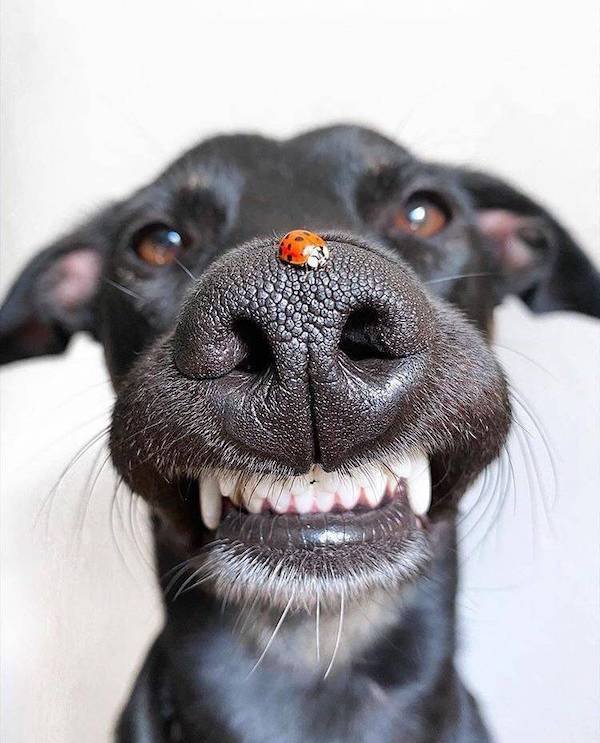
By The Numbers: According to digital media industry reports, over 70% of highly shared animal pictures originate from independent online communities like Reddit and Imgur before they are compiled by larger media brands.
This massive reliance on decentralized platforms shows that the ultimate competitive advantage for media sites is not their budget, but their relationship with active online communities.
The Economics of Premium Entertainment Subscriptions
While enjoying viral animal photos has changed very little over the past decade, the underlying business models supporting these portals have underwent a massive shift.
For years, websites relied almost entirely on display advertising to fund their operations and pay their editorial staff.
However, the rapid adoption of ad-blocking extensions, combined with declining programmatic CPM rates, forced publishers to diversify their revenue streams.
This economic pressure is what drives platforms to promote digital subscriptions, encouraging casual viewers to upgrade to ad-free premium or lifetime access tiers.
These direct payment structures allow media platforms to establish a predictable, recession-resistant stream of consumer-direct revenue.
A lifetime subscription represents a major cash-infusion strategy for media companies, giving them immediate capital to invest in proprietary technology.
By offering permanent ad-free navigation, exclusive merchandise, and premium forums, sites turn their most dedicated fans into long-term financial partners.
Despite this shift toward subscription models, curated galleries of viral animal photos remain free to the public, acting as an effective user-acquisition funnel.
These free, casual galleries attract high volumes of top-of-funnel traffic, which publishers then nurture and convert into paid subscribers.
To explore how pet-centric media drives massive consumer commerce, check out BrightCelebrity’s look at famous pet accounts.
By understanding this modern marketing funnel, it becomes clear that free humor galleries are actually critical drivers of enterprise value.
The successful conversion of viral animal photos consumers into paying brand members represents the holy grail of modern digital media monetization.
As programmatic ad markets continue to experience volatility, this direct-to-consumer relationship will decide which media brands survive the decade.
For a deeper dive into the economics of web publishing, read BrightCelebrity’s industry report on subscription models.

Expert Take: Senior media analyst Sarah Jenkins points out that the transition to subscription-based models is a direct response to platform dependencies.
“Websites that rely 100% on search engine algorithms or social media platform distribution are constantly at risk,” Jenkins notes.
“By building direct subscription relationships, media brands can insulate themselves from unexpected algorithm updates while maintaining direct, unmediated communication with their audiences.”
People Also Ask
Why are viral animal photos so popular on the weekend?
During weekend afternoons, people experience a significant drop in work-related mental stress. Viewing viral animal photos acts as a low-effort, high-dopamine psychological escape that helps users unwind and feel connected to lighthearted digital communities.
How do entertainment websites monetize free user-submitted content?
Websites monetize these free galleries using programmatic display advertisements, sponsored native content, and affiliate marketing. Additionally, these highly visited free galleries act as a marketing funnel to convert casual visitors into paid premium or lifetime subscribers.
What is a lifetime subscription on digital media platforms?
A lifetime subscription is a one-time payment option that grants users permanent, ad-free access to a digital platform’s content, forums, and exclusive features. This model benefits publishers by providing immediate upfront revenue and deepens long-term user loyalty.
How does user-generated content affect website traffic and search engine rankings?
User-generated content provides websites with a constant, cost-free stream of fresh, relevant media. This regular activity signals to search engines that the platform is active and highly authoritative, leading to improved search visibility and higher organic traffic.
The Future of Curated Viral Animal Photos
The rise of generative artificial intelligence raises fascinating questions about the future of online humor curation.
As AI tools become increasingly capable of creating highly realistic, fabricated situations, will they replace traditional user submissions?
In an online landscape crowded with manipulated media, authentic viral animal photos stand out as trusted anchors of genuine human experience.
Audiences consistently reject artificial pet images, preferring instead the imperfect, candid nature of real pets caught in real situations.
This preference for genuine authenticity suggests that the market for community-sourced, editorially-vetted media will remain exceptionally strong.
As long as humans seek out shared moments of joy, the thirst for viral animal photos will continue to define our weekend entertainment rituals.
By blending technological curation with strong community values, digital publishers will ensure that the beloved tradition of afternoon randomness continues for years to come.
In an increasingly busy digital world, having a reliable supply of viral animal photos to keep us grounded is something we can all appreciate.
More Like This
For more updates, check out our latest entertainment and sports news.