
⚡ Key Takeaways
- Apocalypse Now and Platoon dominate the top tier as the most influential depictions of the conflict.
- Veterans like Oliver Stone brought unmatched authenticity by directing films based on their personal combat experiences.
- The genre shifted from patriotic 1940s propaganda to cynical 1970s character studies about moral collapse and PTSD.
- Performances by Tom Cruise and Robert De Niro in these roles are considered career-defining dramatic peaks.
You might think you know the sting of history, but **Vietnam Movies** provide a visceral, bone-chilling window into a conflict that tore the American psyche apart for two decades. These films do more than just replicate the jungle humidity; they explore the absolute limits of human morality and the fracturing of the soul under fire. From the surrealist nightmare of the Nung River to the gritty, mud-caked reality of Hamburger Hill, cinema has become the primary vessel for processing this national trauma.
Understanding the weight of these stories requires looking beyond the pyrotechnics of the battlefield to the quiet, devastating moments of home-front reintegration. The era produced a unique breed of filmmaking where directors like Francis Ford Coppola and Stanley Kubrick traded traditional heroics for psychological complexity. This ranking serves as a definitive guide to the works that refused to blink when faced with the dark heart of the 20th century.
**Vietnam Movies** and the Evolution of War Cinema
The cinematic landscape changed forever when filmmakers began grappling with the fallout of the 1960s and 70s. Earlier war films often focused on the clarity of ‘The Good War,’ but the Southeast Asian conflict demanded a more fractured and honest narrative approach. Directors abandoned the clean-cut heroics of John Wayne in favor of the morally ambiguous, sweat-stained realism seen in modern masterpieces.
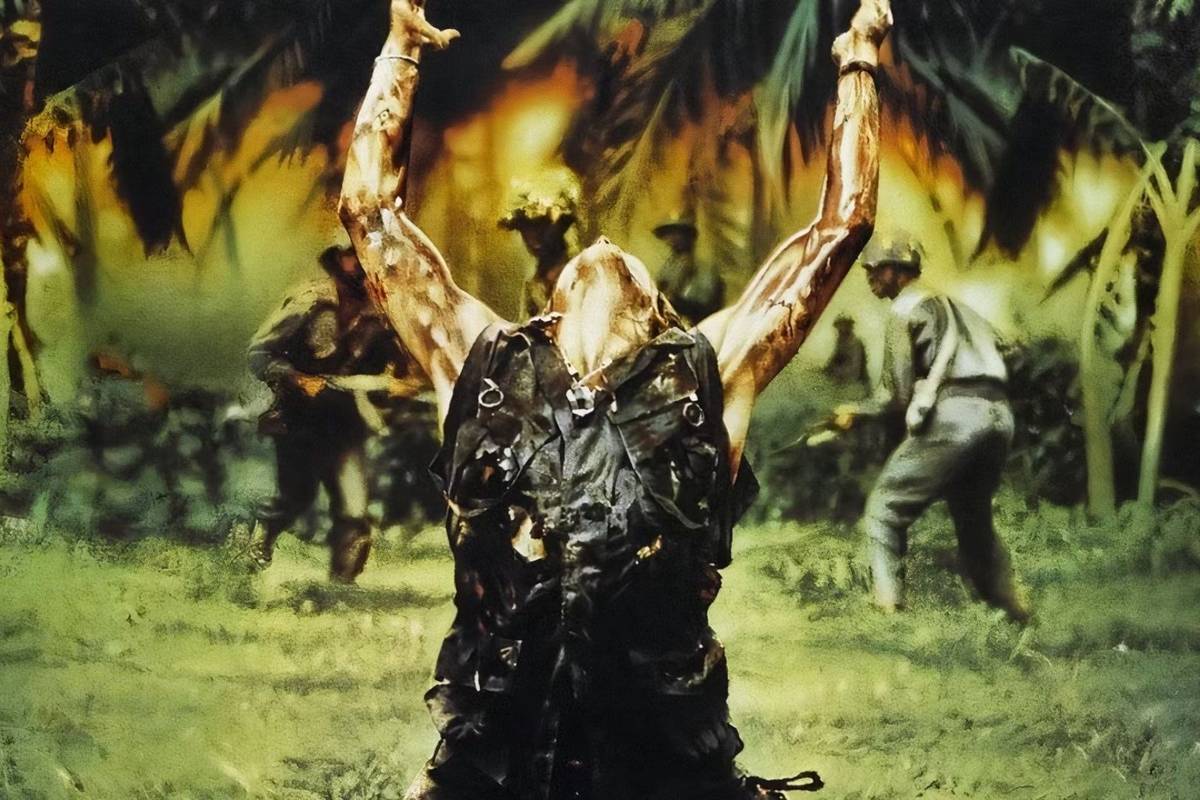
Oliver Stone remains the pivotal figure in this transition, having served in the 25th Infantry Division before picking up a camera. His 1986 film Platoon was the first major work written and directed by a veteran, offering a perspective that no outsider could replicate. By focusing on the internal conflict between two sergeants—one representing virtue and the other representing nihilism—Stone captured the internal civil war within the American military itself.
The Veteran’s Lens and Authentic Storytelling
Stone’s work didn’t just win Oscars; it served as a form of public exorcism for a generation of men who felt misunderstood by the country they served. Platoon remains a staggering achievement, winning four Academy Awards including Best Picture and Best Director for its raw, unfiltered look at jungle warfare. Stone’s later work, Born on the Fourth of July, expanded this scope by following Ron Kovic from a patriotic youth to a paralyzed activist.
While stars like Tom Cruise are often celebrated at brightcelebrity.com for their high-octane blockbuster hits, his performance as Kovic remains his most vulnerable and raw work to date. The film spans twenty years, detailing the physical and emotional toll of the war far away from the actual jungle. This shift in focus helped audiences understand that the war did not end when the soldiers stepped off the plane in Long Island or California.
Expert Take: By The Numbers
The psychological impact of these films is backed by staggering historical data. Between 1955 and 1975, over 3.1 million Americans were stationed in Vietnam, with 58,279 lives lost according to Wikipedia records. This massive scale of involvement meant that almost every household in America had a direct or secondary connection to the conflict, making the realism of these films a matter of intense public scrutiny.
The Gritty Realism of Combat and Survival
Combat in the jungle was unlike anything the U.S. Army had ever faced, characterized by invisible enemies and unforgiving terrain. Hamburger Hill, directed by John Irvin, is perhaps the most claustrophobic example of this ‘grind-level’ combat cinema. It depicts the 101st Airborne Division’s struggle to take Dong Ap Bia, a well-fortified position that ultimately yielded little strategic value despite massive casualties.
The film emphasizes the physical exhaustion and the sensory overload of being under constant fire in a landscape that feels alive with hostility. It avoids the ‘triumphant’ ending typical of older war movies, choosing instead to focus on the futility of the mission. This bleakness is a recurring theme across the greatest works of the genre, where survival is the only true victory available to the protagonists.
POW Narratives and the Struggle for Freedom
Another crucial sub-genre within these films involves the harrowing experience of prisoners of war. Rescue Dawn, directed by Werner Herzog, showcases the incredible true story of Dieter Dengler, a U.S. Navy pilot who escaped a Laotian camp. Starring Christian Bale, the film highlights the primitive and brutal conditions faced by those captured during the early years of the intervention.
- Dieter Dengler lost nearly 85 pounds during the production to simulate the starvation of a POW.
- The film was shot in the jungles of Thailand to maintain environmental authenticity.
- Herzog used hand-held cameras to create a sense of frantic, documentary-style urgency.
Similarly, The Deer Hunter uses the horrifying imagery of Russian Roulette as a metaphor for the random, senseless nature of death in captivity. Though the game of roulette was not a documented historical practice, its inclusion by director Michael Cimino served as a powerful cinematic device for the ‘luck of the draw’ survival that defined the veteran experience. Christopher Walken won an Oscar for his haunting portrayal of a man who never truly left the jungle.
Cinematic Impact: By The Numbers and Awards
The success of these films is not just measured in emotional resonance but in their staggering dominance at the Academy Awards and global box offices. These productions were often massive undertakings that pushed directors to the brink of insanity. Apocalypse Now is famously known for a production cycle that lasted years, involving real-life heart attacks and typhoons that destroyed entire sets.
| Movie Title | Release Year | Director | Academy Award Wins |
|---|---|---|---|
| The Deer Hunter | 1978 | Michael Cimino | 5 Wins (Including Best Picture) |
| Apocalypse Now | 1979 | Francis Ford Coppola | 2 Wins (8 Nominations) |
| Platoon | 1986 | Oliver Stone | 4 Wins (Including Best Picture) |
| Born on the 4th of July | 1989 | Oliver Stone | 2 Wins (Best Director) |

Psychological Scars: Beyond the Battlefield
Not every great film about the war takes place in the rice paddies of the Mekong Delta. Good Morning, Vietnam provided a necessary tonal shift by focusing on the Armed Forces Radio DJ Adrian Cronauer, played with frantic brilliance by Robin Williams. This film explored the ‘Saigon’ side of the war—the disconnect between official military propaganda and the reality of a city under siege.
Williams’ performance used comedy as a defensive mechanism against the growing horror surrounding him. It highlights how the military attempted to maintain a sense of normalcy and morale while the world outside the studio was descending into chaos. This film reminds us that the war was as much about information and cultural clashing as it was about ballistic exchange.
The Darkness of Moral Collapse
In contrast to the levity of Williams, Casualties of War and Full Metal Jacket explore the absolute degradation of the human spirit. Brian De Palma’s Casualties of War deals with the real-life 1966 Incident on Hill 192, where a squad of soldiers kidnapped and murdered a young woman. It forces the audience to confront the ‘war is hell’ mantra in its most literal and shameful form.
Stanley Kubrick‘s Full Metal Jacket splits this moral journey into two distinct halves. The first half remains legendary for R. Lee Ermey‘s performance as the dehumanizing drill instructor who breaks men down into killing machines. The second half shows the result of that training in the ruins of Hue City, where the soldiers find they have lost their humanity long before the first bullet was even fired.
Expert Take: Historical Context
According to data from IMDb and film historians, the release of these darker films in the late 80s coincided with a period of national re-evaluation. As the children of the baby boomers reached adulthood, there was a hunger for the ‘unvarnished truth’ that the 1970s films had pioneered. This led to a boom in realism that eventually paved the way for modern epics.
Frequently Asked Questions
What is considered the most accurate Vietnam War movie?
Most historians and veterans consider Platoon to be the most accurate in terms of the daily ‘grind’ and the internal tensions of a squad. Because Oliver Stone was a veteran himself, the film captures the specific jargon, gear, and atmospheric dread of the 1960s combat experience.
Which film won the most Academy Awards?
The Deer Hunter won five Academy Awards, including Best Picture, making it one of the most decorated films of the genre. Platoon follows closely with four wins, including the top prize for Best Picture in 1986.
Are any Vietnam War movies based on true stories?
Yes, many are. We Were Soldiers is based on the Battle of Ia Drang, Born on the Fourth of July is an autobiography of Ron Kovic, and Casualties of War is based on the real-life November 1966 Incident on Hill 192.
The Cultural Legacy of **Vietnam Movies**
The impact of these **Vietnam Movies** extends far beyond the cinema screen, as they helped define how an entire nation remembers its most controversial conflict. They served as a bridge between the veterans who lived the experience and a public that was often hostile or indifferent to their return. By depicting the complexity of the war, these films allowed for a more nuanced conversation about patriotism and sacrifice.
Today, the legacy of these films is seen in every modern war production, from Saving Private Ryan to Black Hawk Down. They established the visual language of the ‘unreliable narrator’ and the ‘shaky cam’ aesthetic that attempts to put the viewer in the boots of the soldier. As time passes, these ten films remain the definitive record of a time when Hollywood looked into the abyss and didn’t turn away.
More Like This
For more updates, check out our latest entertainment and sports news.