
Key Takeaways
| Action games induce faster neural adaptations compared to strategy titles. |
| Both genres improve cognitive processing speed and executive function. |
| Regular gaming sessions can streamline brain networks, increasing efficiency. |
| Resting-state EEG reveals lower alpha connectivity after long-term gaming. |
You might be surprised to learn that video game brain activity is far more complex than simple screen time, as specific genres fundamentally reshape your neural pathways. Whether you are climbing the ranks in a fast-paced MOBA or plotting your next move in a strategy card game, your brain undergoes significant structural and functional adaptations. Recent research published in the journal Brain Sciences indicates that your choice of virtual environment dictates exactly how your cognitive skills improve over time.
For many, gaming is a hobby, but for your brain, it is a demanding mental workout. Researchers at the University of Electronic Science and Technology of China discovered that action-oriented experiences and strategy-heavy tasks engage distinct mental resources. By analyzing resting-state EEG data from college students over a 30-week period, the study highlights how video game brain activity is not a monolith but a diverse response to digital challenges.
Understanding Video Game Brain Activity and Neural Adaptation
The human brain is remarkably plastic, a trait that allows it to evolve in response to the specific stimuli provided by video games. When you play fast-paced titles like League of Legends, your neural systems are flooded with requirements for rapid reflexes, hand-eye coordination, and simultaneous visual tracking. This constant demand for high-speed processing forces the brain to adapt by refining the efficiency of its internal networks.
In contrast, strategy card games prioritize long-term planning and probabilistic reasoning. While the intensity differs, the impact on executive function is profound. Your ability to suppress instinctive reactions—a core component of cognitive self-control—is consistently trained during these sessions. These genres act as a digital gymnasium, honing specific skills that carry over into real-world performance metrics.
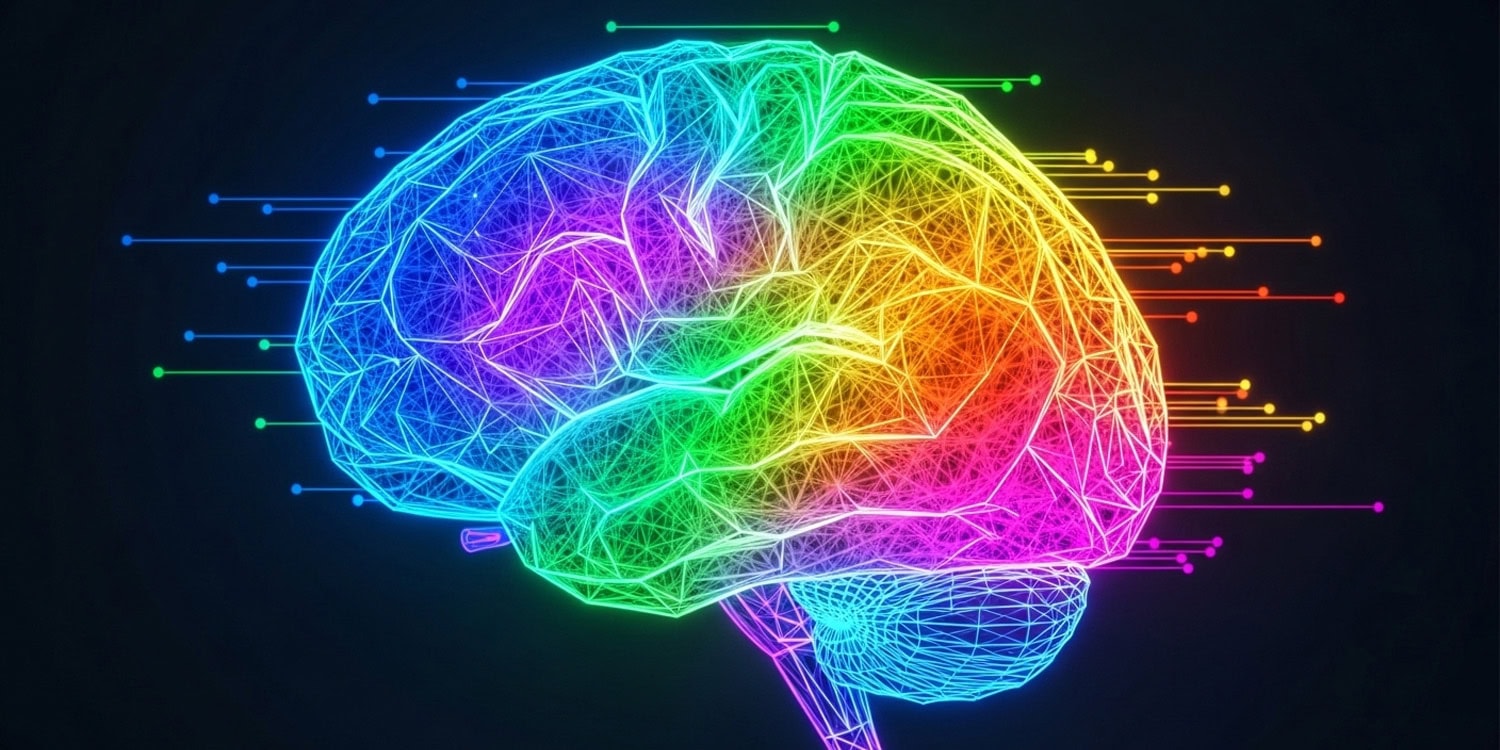
Neural adaptability is not just about getting faster at a game; it is about how the brain manages idle time. The EEG recordings revealed that both types of gaming increased delta and theta wave power, which are markers of readiness and adaptability. By reducing redundant pathways in the alpha band, the brain essentially “prunes” itself to become more efficient at information transmission. This streamlining effect is one of the most exciting discoveries in modern neuroscience regarding digital engagement.
The Role of Executive Function in Gaming
Executive function represents the “management” layer of your cognition, encompassing skills like flexible thinking and self-control. When you force yourself to follow a logical rule while ignoring a distracting visual cue, you are performing a complex mental operation. The research showed that both action and strategy players improved significantly in these areas. While the action group showed more dramatic neural changes, both groups proved that structured, consistent gaming leads to quantifiable cognitive gains.
Comparative Analysis of Gaming Performance
Data from the 30-week study provides a clear window into how performance varies across different game types. The following table summarizes the key findings observed in the study’s cognitive assessments. These metrics show the divergence between action-based and strategy-based training impacts.
| Assessment Task | Action Game Benefit | Strategy Game Benefit |
|---|---|---|
| Spatial Attention | High improvement | Moderate improvement |
| Working Memory | High accuracy/speed | Faster reaction times |
| Executive Function | Enhanced processing | Enhanced processing |
Background and Scientific Context
The research, led by Jingqing Lu and colleagues, fills a critical gap in our understanding of neuroplasticity. Past studies have touched on the general benefits of gaming, but few have longitudinal data spanning 20 weeks of training and a 10-week retention period. By using EEG, the team provided an objective look at brain function that goes beyond simple behavioral test results. This adds a layer of credibility to the long-term health benefits of mindful gaming.
By the numbers, the intensity of the action game group’s neural adaptation was significantly higher. Ten weeks after the cessation of training, the action group retained their advantage in slow-wave activity, suggesting that action-based gaming leaves a longer-lasting “imprint” on the brain’s baseline resting state. This durability is a key finding for those interested in cognitive training through digital means.
Expert Take: The Efficiency Paradox
Why do we see a decrease in alpha-band connectivity? Experts suggest this represents a decrease in “neural noise.” By cutting out redundant pathways, the brain saves energy and reduces the time required to travel between brain regions. It is akin to optimizing a computer network by removing unnecessary relay hubs; the result is a faster, more reliable system.
People Also Ask
How does video game brain activity differ by genre?
Action games typically demand rapid motor responses and visual tracking, leading to more pronounced neural changes. Strategy games focus on long-term planning and logic, which also improve cognitive speed but through different neural pathways.
Can gaming improve memory and executive function?
Yes, the study confirmed that regular gameplay, whether action or strategy, enhances spatial working memory and executive function. Participants showed faster reaction times and better performance on cognitive tasks.
What were the EEG results of the study?
The study observed increased delta and theta wave power, which indicates enhanced neural adaptability. Additionally, reduced alpha-band connectivity suggests that the brain streamlines its communication networks over time.
Is gaming for one hour a day beneficial?
The study specifically used a structured regimen of one hour per day for five days a week. This moderate exposure was sufficient to produce measurable, long-lasting improvements in cognitive performance and brain efficiency.
Final Thoughts
While the study specifically examined college-aged individuals in a controlled environment, the implications are broad. Understanding video game brain activity offers a new perspective on how we can use digital entertainment to maintain and sharpen our cognitive faculties. As research continues to explore this space, we can expect more tailored recommendations for using specific game genres to enhance mental performance. For more insights on maximizing your digital potential, you can explore the wellness and performance resources available on our site.
More Like This
For more updates, check out our latest entertainment and sports news.