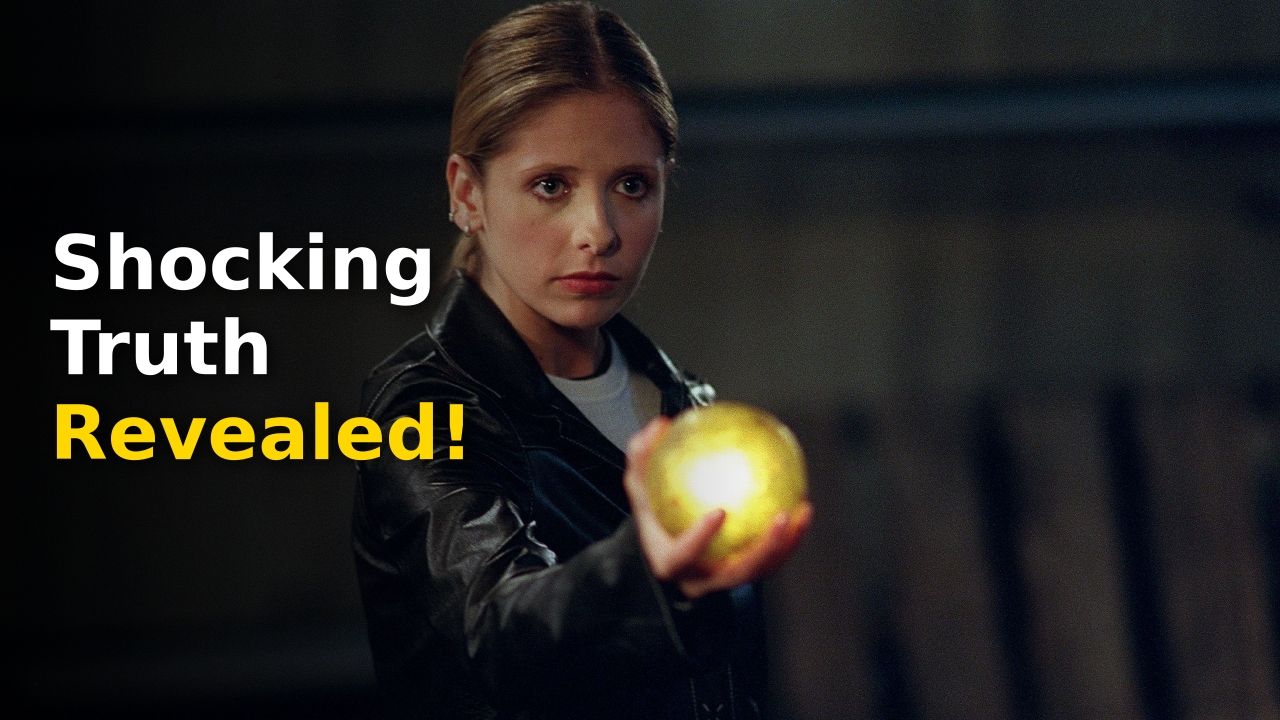
Vampire Series fanatics have long debated the throne of supernatural television, but the cold, hard reality is that Buffy the Vampire Slayer simply does not take the top spot. While you might hold Sarah Michelle Gellar’s iconic monster hunter close to your heart, the television landscape has evolved significantly since 1997, leaving the slayer in the dust of more innovative, biting, and emotionally complex storytelling.
You aren’t alone if your nostalgia insists that Sunnydale is the pinnacle of the genre, but it is time to look at the facts. From the mockumentary brilliance of Staten Island to the haunting British exploration of the afterlife, other series have transcended the monster-of-the-week formula that defined the nineties.
The Vampire Series Hierarchy
When you strip away the rose-colored glasses, the hierarchy of blood-sucking television becomes painfully clear. While Joss Whedon gave us a blueprint for the modern fantasy-drama, it was merely the opening act for what the genre could truly become. The MCU owes a debt to Buffy, sure, but influence doesn’t equate to the highest quality of execution in the present day.

What We Do in the Shadows effectively took the tropes Buffy pioneered and turned them into a sharp, witty, and deeply absurd satire. It doesn’t just wink at the audience; it laughs in their faces while maintaining a genuine connection to the lore. By grounding immortal beings in the mundane irritations of apartment living, the show captures a nuance that was rarely touched upon in the high-stakes battles of California.
Being Human brings an entirely different flavor to the table, focusing on the psychological toll of being a supernatural outcast. Unlike the action-heavy sequences in Buffy, this series prioritized the internal struggle of its protagonists. You get a raw, unfiltered look at characters who desperately want to be human while possessing the most inhuman traits imaginable.
This shift from ‘hero vs. monster’ to ‘monster trying to exist’ represents a massive leap in creative maturity. You can find more celebrity entertainment analysis regarding these shifts in narrative focus at our main portal. It isn’t just about the stakes; it is about the soul beneath the skin.
Why Mockumentary Wins
- The format allows for intimate, fourth-wall-breaking confessionals that reveal character intent.
- Staten Island provides a grounded, hilarious juxtaposition to traditional Gothic settings.
- It avoids the repetition of monster-of-the-week plots found in older shows.
- The ensemble cast relies on chemistry rather than just supernatural spectacle.
Comparing The Greats
History shows us that staying power is often about adaptation, a lesson that Buffy failed to learn fully. While it remains a cultural touchstone for vampire fiction, its rigid structure eventually became a prison. The show grew with its audience, but it never managed to break away from the episodic constraints that modern streaming series now effortlessly discard.
What We Do in the Shadows manages to expand its universe exponentially without losing the core comedy. From energy vampires to necromancers, the lore feels bottomless. You aren’t just watching a show; you are watching a living, breathing expansion of horror tropes that never takes itself too seriously, which is exactly why it works so well for today’s cynical viewer.
Being Human, conversely, took the idea of found family and pushed it to its absolute limits. By rotating its cast effectively, it kept the narrative fresh and avoided the stale character arcs that often plague long-running shows. The transition from the original UK version to newer eras of television proved that the concept itself was stronger than any single actor or writer.
You can see the contrast in the following data breakdown, illustrating why these shows outshine the traditional slayer archetype in modern critical reception and thematic depth.
| Series Title | Genre Innovation | Thematic Depth |
|---|---|---|
| Buffy the Vampire Slayer | High (Archetypal) | Moderate |
| What We Do in the Shadows | Extreme (Mockumentary) | High (Satirical) |
| Being Human (UK) | High (Character-Driven) | Extreme (Existential) |
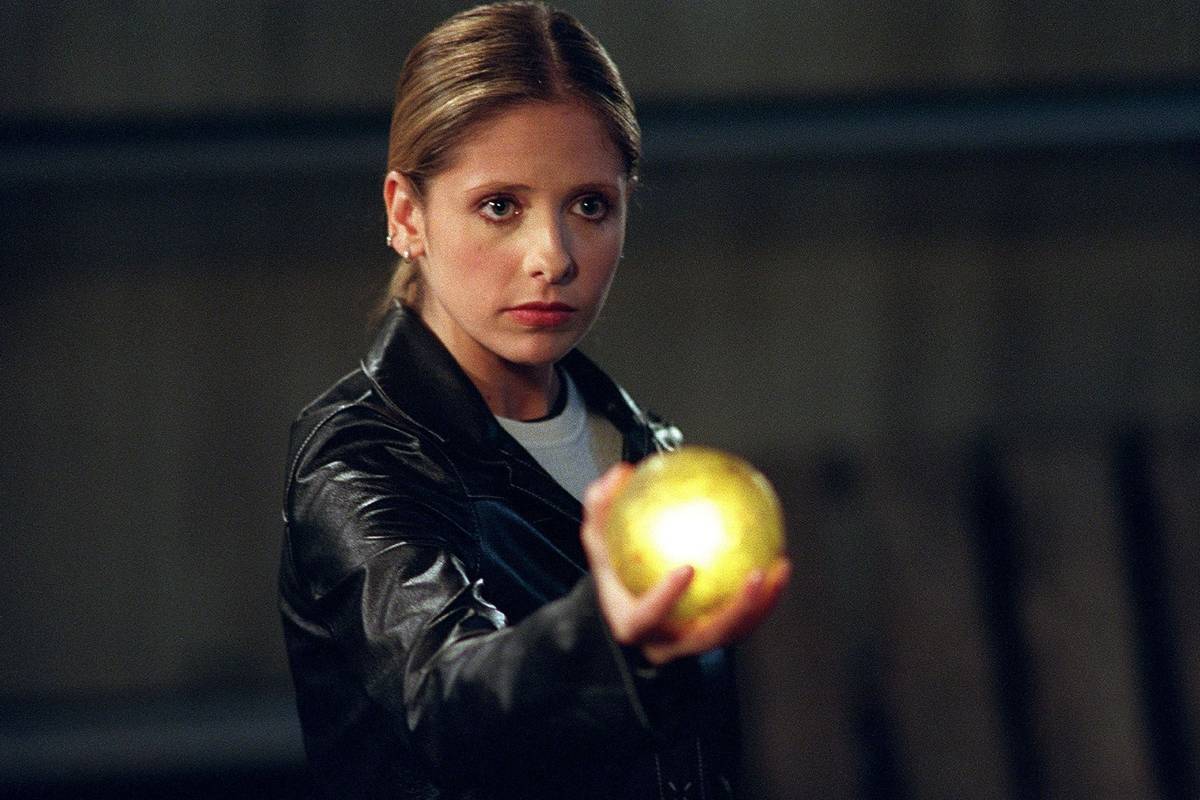
The Evolution Of Lore
Vampires are mirrors of our own societal anxieties. When Bram Stoker wrote his seminal work, he captured the Victorian fear of the Other. Buffy captured the nineties fear of suburban decay and high school pressure. Today, shows like What We Do in the Shadows capture our collective exhaustion with the digital age, blending magic with the absurdity of a 9-to-5 existence.
You might argue that Buffy’s legacy is untouchable, but legacy is not the same as current peak performance. Buffy the Vampire Slayer served its purpose in transforming television, but it has become a relic of a different era. The genre has since pivoted toward more philosophical, meta-humorous, and character-centric narratives that reflect our modern reality.
Think about the way these shows handle death. In Buffy, it was an obstacle or a tragedy to be overcome. In Being Human, it was the fundamental starting point for the entire premise. This shift in perspective makes the latter much more resonant for an audience that deals with existential dread on a daily basis. The monsters aren’t hiding under the bed; they are paying rent and filing taxes.
This is where the magic lies. By bringing the supernatural down to Earth, creators like Jemaine Clement and Taika Waititi have created a new gold standard. They realized that you don’t need a stakes-filled battle in every episode to keep the audience hooked. You just need characters that feel real, even when they have lived for hundreds of years.
Final Thoughts On Rankings
When the dust settles, you are left with a clear choice between nostalgia and genuine evolution. If you want a fun, action-packed trip down memory lane, Buffy remains a titan. However, if you are looking for the absolute peak of the genre in terms of writing, humor, and depth, you must look elsewhere.
The crown belongs to the Staten Island coven, with the British pioneers of existential horror taking a well-deserved silver. It is time to let the past remain the past and embrace the brilliant, biting future of the genre. Ultimately, the best vampire series is the one that forces you to look at your own humanity, not just the monsters in the dark.
More Like This
For more updates, check out our latest entertainment and sports news.