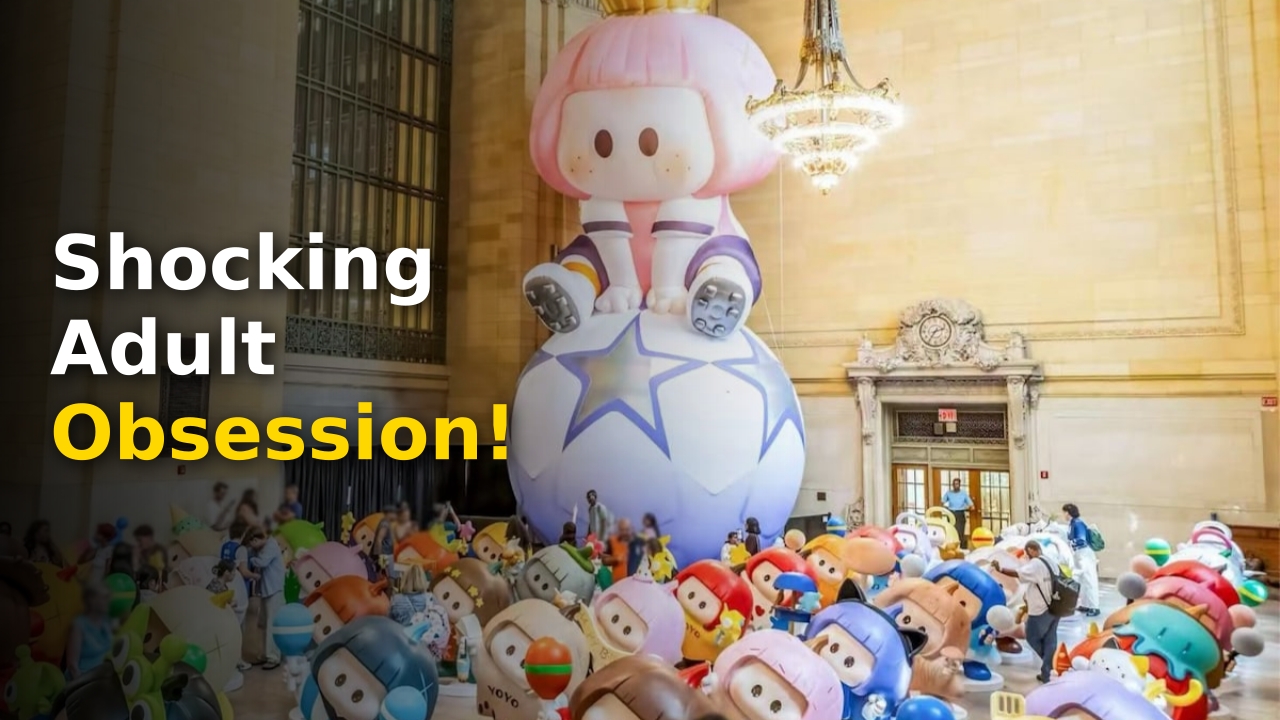
Are you secretly spending hundreds of dollars on miniature vinyl figures wrapped in mystery foil, wondering why you cannot seem to stop? The explosive rise of Trendy Toys is completely reshaping how we define play, collection, and adult consumer culture. What started as a niche Japanese subculture has officially ballooned into a multi-billion-dollar global obsession.
You see them everywhere: dangling from luxury designer handbags, neatly arranged on corporate office desks, or unboxed by crying influencers on TikTok. These are not your average childhood plastic dolls. The boundaries between play, fashion, and fine art are officially gone.
Unveiling Hidden Trendy Toys
The modern retail landscape is undergoing a massive aesthetic mutation. In bustling capitals like Tokyo, London, and New York, high-end stores are dedicating prime shelf space to tiny characters. These collectibles have successfully migrated from toy chests directly into the fashion world. They now function as high-value personal statements.
This category encompasses designer figures, customized charms, mystery capsules, and highly coveted blind boxes. You no longer see these items hidden in children’s playrooms; instead, they are proudly displayed on office desks, clipped to luxury handbags, and showcased in minimalist glass cases. The sheer scale of this aesthetic takeover is hard to overstate.
The transition of these items from pure playthings into high-demand lifestyle accessories represents a massive commercial evolution. Brands are no longer designing for a single demographic, but rather building entire lifestyle ecosystems around their characters.

The Blind Box Secret
A blind box is a beautifully designed, completely sealed box containing one mystery figure from a specific collection. You know exactly which series you are buying, but you have no clue which character is hidden inside. The thrill of the unknown is a major psychological draw for modern collectors.
This dynamic creates an immediate sense of anticipation that triggers intense emotional reactions upon opening. The physical process of shaking the box, guessing the weight, and peeling back the protective foil adds a layer of gamification to traditional retail.
When a buyer finally uncovers that one elusive figure they have been searching for, the emotional payoff is immediate and immense. This thrill of discovery is what keeps the entire blind box market moving at a breakneck speed.
- The mystery of discovering a rare character drives immediate gratification and excitement.
- Completing a themed collection provides a strong sense of personal achievement and pride.
- Trading duplicates with other enthusiasts fosters a tight-knit offline and online community.
Not for Kids Anymore
Historically, the toy industry targeted a very straightforward demographic: young children. Today, according to a breakthrough research study conducted by Kantar for MINISO, that boundary has completely dissolved. The study analyzed consumers in France and the United Kingdom, revealing that buying habits are now defined by cultural interests rather than age.
Anime fans, pop culture lovers, and gaming communities are the core drivers of this massive lifestyle shift. These adult collectors, often called ‘kidults,’ are willing to spend top dollar on these designer figures because they represent their personal interests and identities.
This means Trendy Toys are no longer just for kids; they have become high-status symbols of cultural alignment and pop culture literacy.
This cultural shift has forced legacy toy manufacturers to reevaluate their entire design and marketing philosophy. Companies that once focused strictly on toddler developmental play are now hiring famous graphic designers and street artists to create limited-edition collections.
This crossover has successfully blurred the lines between the toy aisle and high-end contemporary art galleries. Some rare figures now fetch thousands of dollars on secondary resale markets.
As a result, a brand new financial asset class has emerged, where speculative buyers purchase sealed boxes hoping to flip them for massive profits later.
The Dark Psychology Behind Collecting
Why are fully grown adults with utility bills and mortgages spending their hard-earned cash on pocket-sized monsters? The answer lies deep within the human brain. Psychologists point to a combination of nostalgia, identity signaling, and neurological reward loops. These tiny items satisfy a modern craving for tangible joy.
They offer a brief escape from the clinical, digital lives most of us lead daily. In a world where almost everything is virtual, having a heavy, high-quality physical item to touch and hold provides a deep sense of grounding comfort.
This emotional anchor is incredibly powerful during times of high societal stress and economic uncertainty. Collectors find peace and stability in the structured, orderly world of their personal displays.
The Self-Reward Loop
Modern consumers do not wait for birthdays or major holidays to treat themselves. The rise of ‘self-reward’ shopping is a powerful psychological coping mechanism. You buy a small figure because you had a stressful workday, or perhaps because a character matches your exact mood.
Buying Trendy Toys acts as a physical manifestation of this micro-therapy, fitting perfectly in the palm of your hand and bringing immediate joy. This behavior turns a simple transaction into a deeply personal emotional experience that brightens an otherwise mundane week.
This retail therapy model is highly effective because it does not require a massive financial commitment. It provides a quick, accessible burst of happiness that helps consumers navigate the challenges of daily adult life.
The Dopamine Rush
The blind box mechanism relies heavily on variable ratio reinforcement, the very same science behind slot machines. The brain receives a massive hit of dopamine when you successfully pull a ‘secret’ or ultra-rare figure. This chemical high keeps collectors coming back for more, searching for that next hit.
It is an incredibly clever design that turns passive shopping into active gaming. Even when you get a duplicate, the disappointment is quickly replaced by the urge to buy another box to fix it.
This cycle of anticipation, reward, and repeat behavior is one of the most powerful psychological loops in modern consumer marketing.
This intermittent reinforcement schedule mimics the psychological mechanics of modern mobile gaming apps and social media notifications. Every unboxing is a low-stakes gamble where the worst outcome is still a cute collectible.
The feeling of nostalgia also plays an incredibly vital role in this mental loop. Many young adults purchase characters that remind them of Saturday morning cartoons or vintage video games they enjoyed during their childhood.
By holding a physical representation of their childhood memories, these collectors can temporarily reconnect with a simpler time, away from adult anxieties.
Gen Z Cultural Shifts
Demographics like Gen Z and Gen Alpha are leading this charge with unparalleled enthusiasm. They do not view these items as static dust-collectors. Instead, they view them as dynamic extensions of their personal style and digital identities.
These toys are an active medium for self-expression, heavily integrated into daily fashion and online aesthetics. They are carried as bag charms, displayed on social media streams, and featured in viral videos.
The boundary between what is considered a childhood toy and what is considered a high-fashion accessory has completely vanished for these young generations.
TikTok Unboxing Phenomenon
Social media platforms like TikTok and Instagram have acted as massive accelerators for this trend. The short-form video format is absolutely perfect for the blind box unboxing experience. Viewers get to vicariously experience the suspense, the slow tear of the foil, and the final explosive reaction.
This creates an endless viral loop where content drives demand, and demand drives more content creation. According to marketing reports, these videos regularly rack up billions of views globally.
The highly visual nature of these collectibles makes them the perfect aesthetic bait for algorithmic feeds, introducing millions of new potential collectors to the hobby every single day.
- Unboxing videos combine raw emotion, suspense, and visual satisfaction into a highly digestible format.
- Creators build massive, highly engaged audiences solely around opening mystery toy packages on camera.
- Interactive comment sections allow viewers to share in the joy of a rare find and trade valuable information.
The Customization Subculture
The trend does not stop once the box is opened. A booming global subculture of customization has emerged where collectors actively modify their figures. People are sewing tiny custom outfits, painting unique patterns, and adding miniature jewelry to their characters.
This turns a mass-produced item into a one-of-a-kind art piece. Two buyers can purchase the exact same figure and walk away with entirely different creations.
These customized Trendy Toys showcase how the consumer is no longer just a passive buyer, but an active creator in the life of the product.
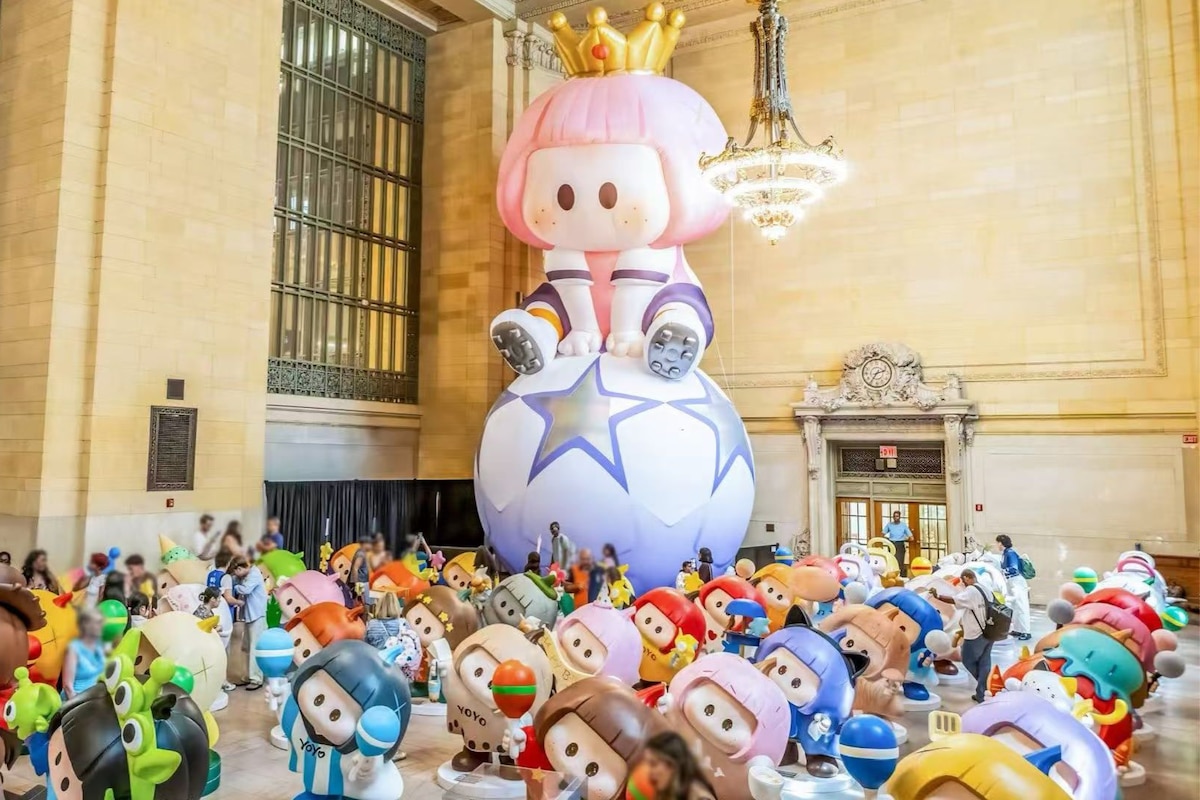
This collaborative spirit is fostered through massive online forums, specialized Discord servers, and local meetups at specialty retail stores. Collectors swap tips on paints, fabrics, and clay techniques to elevate their hobby.
Retailers have noticed this hands-on trend and are now hosting official in-store customization workshops to build even stronger local communities. This strategy successfully transforms a passive product into a dynamic, interactive service.
By encouraging consumers to modify the product, brands build an incredibly deep level of brand loyalty that traditional marketing campaigns simply cannot replicate.
Mind-Blowing Market Statistics
To understand the true scale of this phenomenon, we must look at the hard financial data. The economic power of young collectors is transforming global retail strategies. According to Kantar, young consumers in major European markets allocate an astonishing portion of their discretionary income to this single category.
This is not a temporary fad; it is a highly lucrative, highly structured commercial ecosystem that continues to expand. The sheer volume of annual purchases indicates a deep behavioral shift rather than a quick consumer spike.
| Market Region | Annual Budget (Average) | Purchase Frequency (Yearly) | Primary Consumer Age Group |
|---|---|---|---|
| United Kingdom | £534 | 9 Times | Gen Z & Alpha |
| France | €509 | 9 Times | Gen Z & Gen Alpha |
| Japan / Asia | High Discretionary Allocation | 12+ Times | Young Adults (18-35) |
These figures highlight a profound shift in consumer priority. Young adults are actively choosing to spend their extra money on designer collectibles rather than traditional luxury items. Retailers are adapting quickly by changing their in-store environments to mimic galleries or interactive playgrounds.
This massive surge in Trendy Toys sales is forcing shopping malls and high streets to reconsider how they design physical spaces. Stores are no longer just places to make transactions; they are community hubs.
The digital conversation is successfully driving massive foot traffic back into physical retail stores, bucking the overall global trend toward pure e-commerce.
For instance, global design brand Miniso has capitalized heavily on this trend, creating immersive retail environments that draw massive crowds during new releases. The excitement generated online translates directly into long physical lines.
In countries like Argentina, thousands of passionate collectors line up for hours just to experience a store grand opening. This physical presence creates a sense of collective excitement that digital shopping simply cannot mimic.
This combination of physical community and digital hype is proving to be a highly resilient business model that is redefining modern brick-and-mortar retail.
The economic impact reaches far beyond the initial retail purchase price. A highly active secondary market on platforms like eBay, StockX, and specialized Facebook groups has created a secondary economy valued at millions of dollars.
Extremely rare ‘chase’ figures, which are manufactured in limited quantities, can see their market value skyrocket by over 1000% within hours of release. This speculative trading has attracted serious investors who treat these vinyl characters like stocks.
This financialization of play has brought both excitement and controversy, with critics arguing it corporate-exploits the natural human desire for completion.
Why Trendy Toys Dominate
As we look to the future, it is clear that Trendy Toys are much more than a passing viral trend. They represent a fundamental shift in how adults interact with physical objects in an increasingly digital world. You are seeing the merging of childhood wonder with adult purchasing power.
This synthesis creates an incredibly powerful emotional and commercial force that is transforming multiple industries simultaneously. If you want to understand how modern pop culture operates, look no further than the thriving communities surrounding celebrity collectible trends and designer toy releases.
The specific popular characters of today might eventually fade from the spotlight, but the underlying consumer behavior is here to stay. The ultimate question is no longer about when we grow out of playing with toys. Instead, it is about how these beautiful, mysterious objects help us navigate our identities, build communities, and express ourselves in the modern age.
Whether you are looking for nostalgia, self-reward, or a vibrant digital community, these miniature collectibles offer an undeniable charm that is difficult to resist.
We are witnessing the slow death of age-based marketing silos. In this new world, a fifty-year-old corporate executive and a fifteen-year-old high school student can find common ground over a shared passion for a tiny vinyl rabbit.
This cross-generational appeal suggests that the emotional functions of play do not disappear as we age; they merely evolve into different formats.
As the physical and digital worlds continue to merge, these tactile, customizable, and collectable treasures serve as a vital anchor to the real world, reminding us of the simple joy of discovery.
More Like This
For more updates, check out our latest entertainment and sports news.