Tiny Decisions are often the invisible triggers that lead to total cinematic annihilation, and you have likely experienced that sinking feeling when a character makes a move they can never take back. Have you ever wondered how a single glass of water or a misplaced toy could lead to a body count that rivals a small war? In the world of high-stakes storytelling, the most monumental catastrophes rarely start with a bang. Instead, they begin with a whisper, a slight hesitation, or a mundane choice that seems completely harmless at the moment.
These narrative pivot points serve as a chilling reminder that our lives are balanced on a knife’s edge. Hollywood screenwriters lean heavily on the concept of the butterfly effect to drive tension and keep you glued to your seat. Whether it is a sci-fi epic or a gritty crime thriller, these small errors in judgment prove that nobody is ever truly safe from their own impulses. You are about to see how twenty legendary films transformed simple moments into absolute nightmares.
Understanding the weight of these choices changes the way you view the characters on screen. It is not just about the villain or the monster; it is about the human element that invites the disaster inside. As we explore these examples, you will see how directors use psychological triggers to make you scream at the screen. Let’s dive into the mechanics of how these small moments spiraled into legendary cinematic disasters.
Tiny Decisions and Fatal Errors
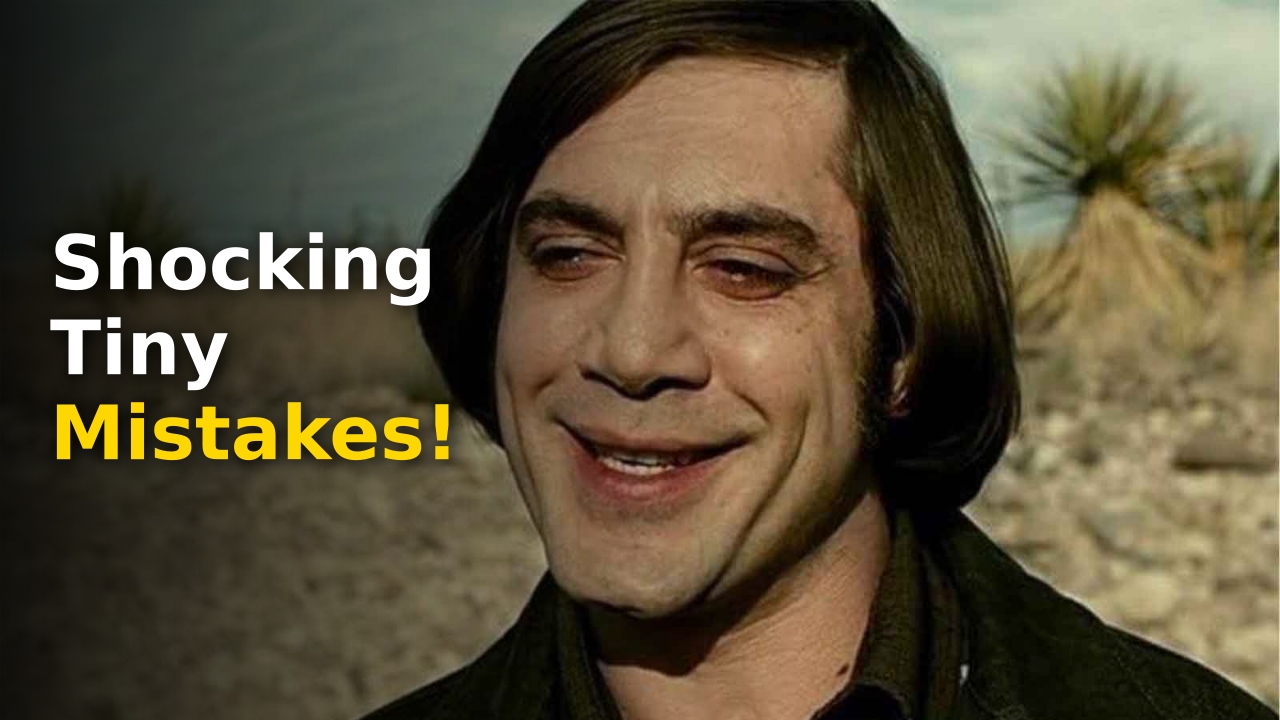
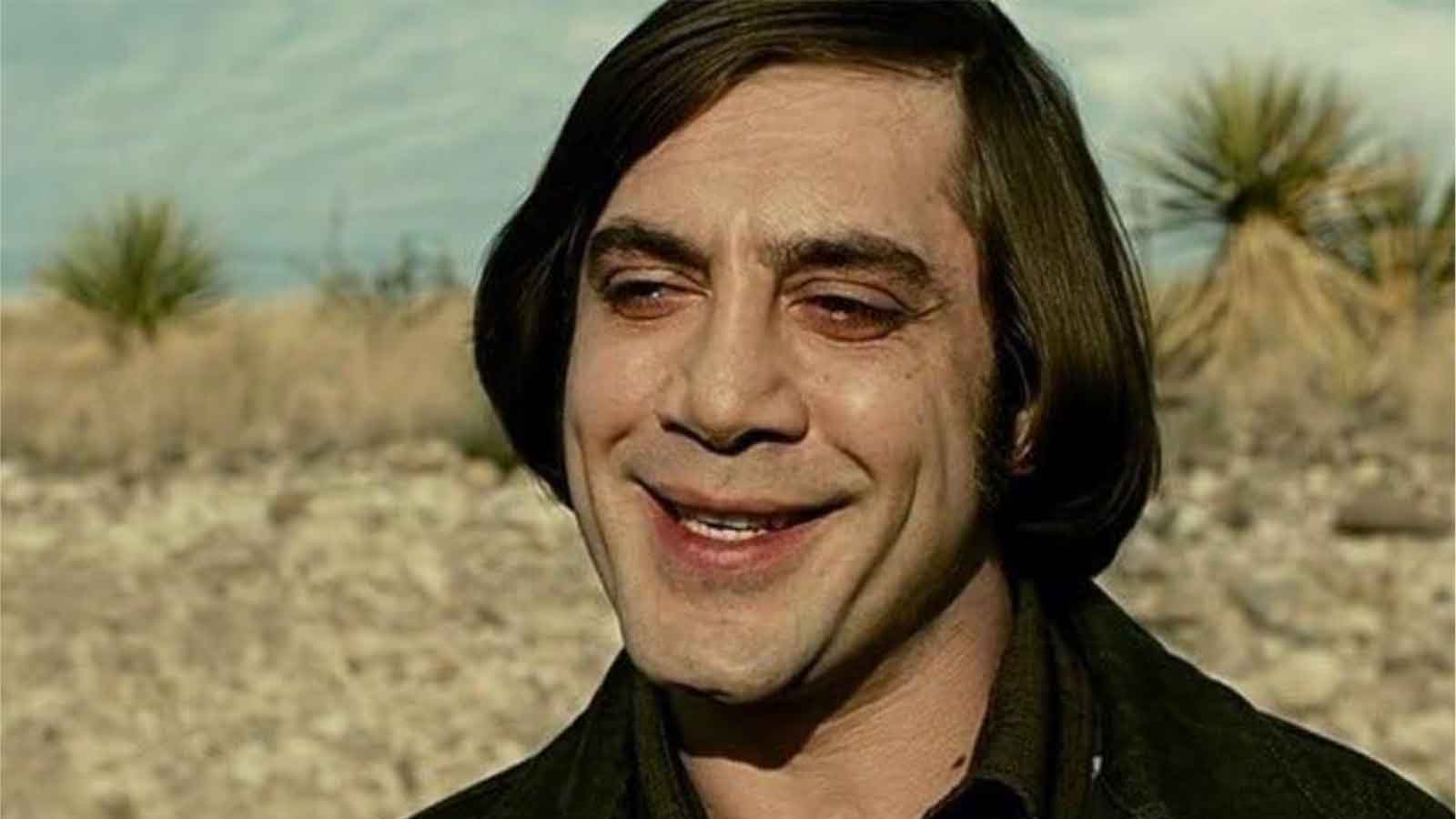
In the 2007 thriller No Country for Old Men, the protagonist Llewelyn Moss makes a choice that haunts audiences to this day. After stumbling upon a drug deal gone wrong and securing a satchel containing $2 million, Moss is essentially in the clear. However, his late-night pang of guilt leads him to return to the scene with a gallon of water for a dying man. This act of mercy is the exact moment his luck runs out, as it allows the cartel scouts to spot his truck. This one act of compassion puts the terrifying Anton Chigurh on his trail, leading to a relentless pursuit across the Texas desert.
Then we have the holiday classic Home Alone, where a spilled glass of milk changes everything for the McCallister family. During the frantic cleanup of a kitchen mishap, Kevin McCallister‘s plane ticket is accidentally swept into the trash alongside soggy napkins. This tiny oversight is the only reason the family fails to realize they are missing a child during the head-count the next morning. If that ticket stayed on the counter, Kevin would have been in Paris instead of fighting off burglars with micro-machines and paint cans. It is a brilliant bit of writing that makes the premise of the film possible through sheer domestic chaos.
Time travel movies are perhaps the ultimate playground for examining how Tiny Decisions ripple through history. In Back to the Future, Marty McFly simply wants to explore 1955, but his interference in a car accident prevents his father, George, from meeting his mother, Lorraine. By pushing his father out of the way of Sam Baines‘ car, Marty inadvertently erases himself from existence. This small physical movement forces Marty to spend the rest of the movie playing matchmaker to save his own life. You can find more breaking celebrity news and character deep dives on our main hub to see how these stars handled their iconic roles.
The rules in Gremlins are famously simple: keep them out of light, don’t get them wet, and never feed them after midnight. When Billy Peltzer accidentally feeds his new pet Mogwai a late-night snack, he triggers a biological transformation that levels an entire town. Billy didn’t mean to start a riot; he just didn’t check the clock closely enough. That one minute of negligence resulted in a literal army of green monsters terrorizing Kingston Falls. It remains one of the most effective examples of how a minor lapse in discipline can lead to total destruction.
In the comedy hit The Hangover, the entire plot hinges on Alan‘s misguided attempt to spice up a bachelor party. Thinking he is providing the group with ecstasy to ensure a good time, he accidentally doses his friends with Rohypnol, also known as roofies. This single pharmaceutical mix-up leads to a missing groom, a stolen tiger, and a baby in a closet. The characters spend the entire film retracing their steps, all because one man made a reckless choice on a Las Vegas rooftop. It proves that even in comedies, a small mistake can have massive, life-altering consequences.
Finally, consider the harrowing drive in Nocturnal Animals, where Tony Hastings decides to pass a slow-moving car on a dark highway. This standard driving maneuver irritates a group of local thugs, leading to a high-speed confrontation that ends in tragedy. Tony’s decision to engage rather than de-escalate results in the kidnapping and murder of his family. It is a visceral, painful look at how an ordinary moment on the road can turn into a permanent nightmare. The film uses this 1-2 minute sequence to anchor the entire emotional weight of the story.

The Horror of Small Choices
Horror cinema thrives on the idea that curiosity or a minor lapse in judgment can be fatal. In Fargo, Jerry Lundegaard believes that hiring two petty criminals to kidnap his wife will solve his mounting debt. He views this as a small, controlled crime with a guaranteed payout from his wealthy father-in-law. Instead, the incompetence of the kidnappers leads to a triple homicide on a snowy highway and a trail of bodies across Minnesota. Jerry’s small-time scheme explodes into a legendary tragedy that leaves him with nothing but a prison sentence.
In the silent world of A Quiet Place, the Abbott family knows that any noise can lead to a swift death. Lee Abbott removes the batteries from a toy space shuttle to keep his youngest son, Beau, safe. However, in a moment of sibling secrecy, the older sister gives the toy back, and Beau sneaks the batteries back in. This tiny act of rebellion results in the toy emitting loud electronic sounds during a walk home, leading to Beau’s immediate death. It is a heartbreaking scene that defines the stakes of the world and the heavy burden of every single choice.
The Science of the Butterfly Effect
- Chaos Theory: As explained in the butterfly effect, small initial differences can lead to vastly different outcomes.
- Psychological Triggers: Filmmakers use “sunk cost fallacy” to keep characters making worse decisions.
- Narrative Economy: Small mistakes are more relatable to the audience than grand, epic failures.
- Character Flaws: Often, the tiny mistake is a direct manifestation of a character’s core weakness.
The 2004 film The Butterfly Effect explores this concept literally, as Evan Treborn tries to fix his past. Each time he makes a Tiny Decisions change to improve a childhood trauma, he wakes up in a reality that is objectively worse. Whether it is saving a dog or standing up to a bully, the unintended consequences always outweigh the benefits. The movie serves as a grim philosophical warning that we cannot control the complex web of causality. You see Evan lose his limbs, his sanity, and his loved ones all because he thought he could make things “better.”
In Jurassic Park, the collapse of a multi-billion dollar theme park is caused by one man’s greed and a lack of workplace appreciation. Dennis Nedry decides to sabotage the security systems to steal dinosaur embryos for a competitor. He views this as a simple corporate espionage job that will take less than an hour. However, his temporary shutdown of the fences allows the Tyrannosaurus Rex and Velociraptors to escape. One man’s desire for a bigger paycheck leads to the total destruction of John Hammond‘s dream and several gruesome deaths.
In The Lord of the Rings: The Fellowship of the Ring, the group’s stealthy mission through Moria is ruined by Pippin‘s curiosity. While resting in a dark chamber, Pippin touches a skeleton perched on the edge of a deep well, causing it to fall in with a thunderous clatter. This small, clumsy accident alerts thousands of Orcs and a Balrog to their exact location. This leads to the legendary fall of Gandalf the Grey, a turning point that splits the Fellowship and changes the fate of Middle-earth. Pippin’s lack of awareness almost ends the quest for the Ring before it truly begins.
The ending of The Mist remains one of the most controversial and devastating moments in film history. After surviving a grocery store siege, David Drayton and his companions decide to drive until they run out of gas. When the car finally stops in the thick fog, they make the collective choice to end their lives rather than be eaten by monsters. Seconds after David carries out the task, the military arrives, clearing the mist and revealing they were moments away from being saved. If they had waited just five more minutes, everyone would have lived.
Sci-Fi Chaos and Consequences
In the realm of science fiction, technology often magnifies the impact of Tiny Decisions. Take Psycho, where Marion Crane is simply tired of driving through a rainstorm. She decides to pull off the road and stay at the Bates Motel instead of pushing through to the next town. This mundane choice leads her directly into the path of Norman Bates and the most famous shower scene in history. Marion wasn’t looking for adventure; she was looking for a bed, yet that choice ended her life and sparked a classic horror franchise.
In The Descent, a group of experienced cavers finds themselves trapped underground because of a lie told by their friend Juno. Juno decides to take the group into an uncharted cave system instead of the tourist-friendly one they had planned for. She wanted the glory of a new discovery and thought she could handle the unknown. Because she didn’t tell anyone where they were actually going, no rescue team is coming for them when the tunnel collapses. Her small ego-driven secret turns a fun excursion into a desperate fight for survival against subterranean predators.
The Truman Show features a fascinating moment where a single piece of faulty equipment starts a revolution. A stage light falls from the artificial sky of Truman Burbank‘s world, nearly hitting him. Instead of ignoring it as a fluke, Truman begins to question his reality for the first time in 30 years. This small production error is the first crack in the facade created by Christof. It shows that even the most controlled environments can be dismantled by one tiny, unplanned event that catches the protagonist’s eye.
In the zombie comedy Shaun of the Dead, Shaun‘s mechanical morning routine almost gets him killed. He is so focused on buying a Diet Coke and a Cornetto that he fails to notice the blood on the fridge or the zombies in the street. His refusal to pay attention to his surroundings means he is completely unprepared when the outbreak hits his own backyard. Shaun’s lack of awareness is played for laughs, but it highlights how easily we can miss the end of the world. It takes a literal zombie in his garden for him to finally wake up and take action.
Data Behind Cinematic Catastrophe
Analyzing these films reveals a pattern in how screenwriters use small mistakes to drive the plot forward. Most of these Tiny Decisions occur within the first 30 minutes of the film, setting the stage for the conflict. Whether it is an act of kindness or a moment of greed, the results are almost always disproportionate to the initial action. This creates a sense of dread for the audience, as they realize that any small mistake could lead to ruin. The following table highlights the financial and critical impact of films centered on these small-scale errors.
| Movie Title | The Tiny Decision | The Ultimate Consequence | Box Office (USD) |
|---|---|---|---|
| No Country for Old Men | Giving water to a dying man | Relentless hunt by a hitman | $171.6 Million |
| Jurassic Park | Disabling security for an hour | Total park collapse and death | $1.03 Billion |
| Home Alone | Spilling milk on a ticket | Child left home alone | $476.7 Million |
| A Quiet Place | Giving a child toy batteries | Death of the youngest son | $341 Million |
Even the Marvel Cinematic Universe isn’t immune to the power of a bad choice. In Spider-Man: No Way Home, Peter Parker asks Doctor Strange to cast a spell making the world forget he is Spider-Man. However, Peter’s inability to stay quiet and his constant modifications to the spell’s parameters cause it to fracture. This opens the gates to the Multiverse, bringing in villains from other realities and leading to the death of Aunt May. Peter’s simple desire for a normal social life ends up endangering the entire fabric of reality.
In the horror-comedy Tucker and Dale vs. Evil, a misunderstanding based on a single act of kindness turns into a bloodbath. When Dale rescues a college student named Allison from drowning, her friends assume he is kidnapping her. This one misinterpretation leads the students to launch a series of “rescue” attempts that result in their own accidental deaths. The film brilliantly parodies horror tropes by showing how one tiny assumption can lead to a spectacular and hilarious tragedy. It is a masterclass in how perspective shifts the weight of a decision.
In The Cabin in the Woods, the characters are given a basement full of items that determine their fate. Dana chooses to read from a specific diary, which summons the Buckner family of zombies. If she had picked up a different item, they would have faced a completely different monster. This choice was presented as a random curiosity, but it was actually the decision that sealed their doom. The film critiques the genre itself by showing how arbitrary these fatal choices often feel to the characters involved.
Finally, the movie Sliding Doors is the definitive exploration of this theme. It follows two parallel timelines based on whether Gwyneth Paltrow‘s character catches a specific train. In one life, she catches the train and discovers her boyfriend’s affair; in the other, she misses it and stays in the dark. The film shows how catching a train by just one second can alter the entire trajectory of your career, your relationships, and your ultimate happiness. It remains the quintessential study of how Tiny Decisions define our existence.
Impact of Every Tiny Decisions
Reflecting on these stories, it is clear that Tiny Decisions are more than just plot devices; they are mirrors of our own anxieties. You likely think about your own life in terms of these “what if” moments. What if you hadn’t taken that job, or what if you had turned left instead of right? Movies take these everyday fears and amplify them until they become matter of life and death. This connection is why these films resonate so deeply with audiences across the globe.
The power of the small choice lies in its relatability. Most of us will never have to decide whether to disarm a nuclear bomb, but we all have to decide whether to help a stranger or pay attention to our surroundings. When a character fails at these small tasks, it feels personal. We see our own potential for failure in their mistakes. This creates a unique form of empathy that keeps us invested in their struggle, even when things go horribly wrong.
As you watch your next movie, pay close attention to the first act. Look for the spilled milk, the misplaced key, or the small lie. These are the seeds of the chaos that will follow. By understanding these mechanics, you can appreciate the craftsmanship that goes into building a truly compelling story. Cinema reminds us that while we cannot control the world, we can try to be more mindful of the Tiny Decisions we make every day. After all, you never know which choice might lead to your own version of a blockbuster catastrophe.
More Like This
For more updates, check out our latest entertainment and sports news.