Did you know that The Shards blur the lines between reality and absolute terror in ways that will make your skin crawl? If you have ever read a book by the legendary writer Bret Easton Ellis, you already know his highly brilliant mind.
This latest sensational offering is a highly gripping, fictionalized memoir about his teenage years in Los Angeles during the early 1980s. As a reader, you are constantly forced to question what is real and what is pure illusion.
The story follows the author during his final prep school year. When a new student arrives, everything spirals out of control alongside horrific local killings.
The Shards Reality
When Bret Easton Ellis published The Shards in 2023, he unleashed a wave of paranoia among his former classmates. This was his first novel in 13 years, creating an immediate sensation. It left audiences wondering how much of the depravity was pulled from actual events.
At its very emotional core, The Shards functions as a deeply personal time capsule of 1981 Los Angeles. You can practically feel the heavy smog, the scent of expensive perfume, and the synthetic beats of New Wave music.
The main narrative of The Shards takes place during Bret’s senior year. This specific era was marked by massive cultural shifts in California. It provides a unique lens to view the psychological unraveling of wealthy teenagers.
The 1981 Setting
The Year 1981 was a transitional period for Southern California culture. Wealthy teenagers enjoyed unprecedented freedom, fueled by disposable income and parental neglect. This environment allowed characters to wander through a landscape of luxury.
You are taken on a journey through exclusive neighborhoods like Bel Air and Beverly Hills. The detailed descriptions of local hangouts make the setting feel like a living character. This historical accuracy makes the fictional horrors feel much more immediate.
The Paranoid Memoir
By framing the novel as a memoir, the narrator creates an intimate bond with you. He confesses his deepest insecurities, his closeted sexuality, and his growing obsession with local crimes. This narrative choice makes it difficult to separate real memories from fiction.
Many readers have found themselves questioning if the author actually experienced the dread he describes. The line between autobiography and horror has never been more beautifully blurred. It forces you to look closely at the psychology of memory itself.
The Buckley School Era
One of the absolute most concrete elements of the story is the setting of the school itself. The real author actually graduated from the prestigious Buckley School in Sherman Oaks. This institution served as the perfect backdrop for his tales of disaffected youth.
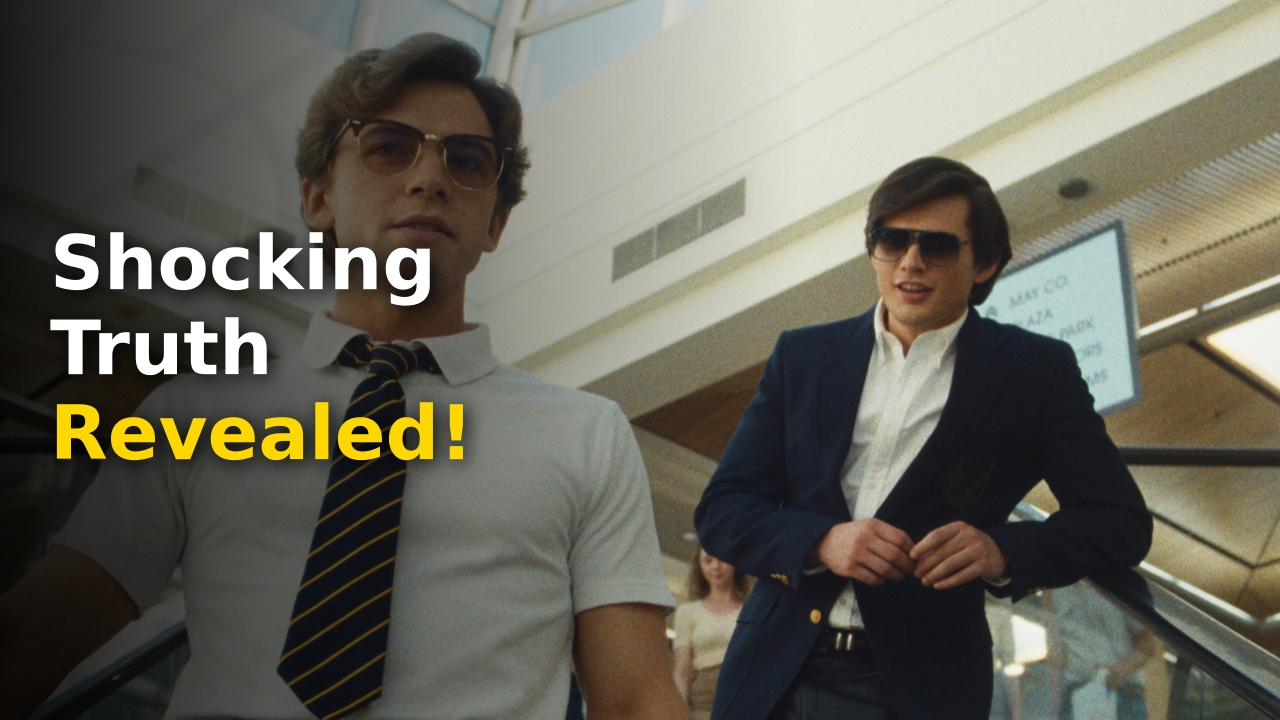
The cinematic adaptation of The Shards brings these complex prep school dynamics to life. You are introduced to a world of uniforms, manicured lawns, and secret lives hidden behind polite smiles. The contrast of elite campus life is striking.
While some viewers might look for direct translations, The Shards uses composite sketches for most characters. This allows the story to maintain a sense of mystery while feeling incredibly grounded in reality. The school remains a crucial anchor.
Real Prep School
The real Buckley School provided the perfect raw material for the author’s unique brand of social satire. He paints a picture of hyper-privileged teenagers who are mature beyond their years yet completely unequipped for real-world dangers.

For more on how high-society lifestyles translate into modern pop culture, check out the latest exclusive celebrity news updates. Seeing how these elite networks operate in real life adds another layer of appreciation for the story’s setting.
The academic pressure combined with social anxieties created a pressure cooker environment. This atmosphere is palpable in every scene involving the student body. You feel the constant underlying tension of teenagers trying to project absolute perfection.
The Classmate Backlash
After the book hit the shelves, the author received a mixture of praise and concerned messages from his former classmates. One particular classmate reached out via Facebook to express displeasure about a character name. She hated the name Debbie.
This reaction highlights how closely the fictional characters resembled real individuals from the class of 1982. Even though a disclaimer states most major players are fictional, those who lived through it felt the sting of immediate recognition.
Fact Versus Fiction Breakdown
To truly understand the narrative, you must dissect which plot points are historical facts and which are complete fabrications. The author has always been a master of blending real-life people with fictional counterparts. This technique keeps you guessing.
For those mapping out the layout of The Shards, separating historical fact from fiction is absolutely essential. It allows you to appreciate the craftsmanship that went into building this elaborate psychological puzzle. The author’s ability to manipulate details is impressive.
Let us break down the key differences between the real-life timeline and the stylized events presented in the novel. This comparison reveals how a master storyteller shapes reality to maximize suspense and emotional impact.
The Serial Killer
The most terrifying figure in the novel is a serial killer known as The Trawler. This monster targets local high school students, leaving a trail of gruesome crime scenes. The killer known as the Trawler in The Shards is entirely fictional.
Some readers assumed that this character was loosely based on the real-life West Side Rapist. However, the author later clarified that the killer was invented to embody the collective anxiety of the early 1980s. Los Angeles was gripped by several panics.
Sibling Secrets
In the book, the narrator is depicted as an only child living in a cold, quiet mansion. In reality, the real author grew up with several sisters who shared his real childhood home. This major change was made for family privacy.
His siblings requested not to be featured in his writing, prompting him to alter his family structure. This adjustment shifts the dynamic of the story, making the teenage narrator feel even more isolated and vulnerable. It enhances the atmosphere.
Let us examine how these elements match up side-by-side in this comprehensive breakdown:
| Character | Real Counterpart | Status |
|---|---|---|
| Bret Ellis | Himself | Fact |
| The Trawler | West Side Rapist | Fiction |
| School | Buckley School | Fact |
| Debbie | Julie Foreman | Fact |
| Robert Mallory | None | Fiction |
The Psychological Dread Elements
The true genius of the narrative lies in its heavy emotional weight. The author has openly admitted that he is not motivated to write a novel without feeling a deep, pervasive sense of dread. This feeling stems from his own youth.
The narrative tension in The Shards escalates when a charismatic new student arrives. This arrival upends the fragile stability of the main character’s social circle. It triggers a cascade of jealousy and dark obsession.
This makes The Shards an incredible psychological study of intense teenage paranoia. You are trapped inside the narrator’s mind as he slowly loses his grip on reality. The boundary between external danger and internal delusion dissolves.
Mastering the Horror
You can feel the influence of classic horror cinema throughout the narrative. The author uses slow-burning suspense to build a climate of extreme paranoia. Every shadow seems to hold a threat, and every face feels like a mask.
He has admitted to being deeply attracted to the horror genre since childhood. Using elements of gothic fiction allows him to communicate complex emotions that are hard to express in standard dramas. The story is a masterpiece.
The larger inspiration behind The Shards can be attributed to a desire to express this lifelong attraction to horror. The author uses these genre elements to explore the vulnerabilities of youth, resulting in a deeply unsettling reading experience.
The Real Characters
The characters surrounding the narrator are a brilliant mix of fact and fiction. Debbie Schaffer is heavily inspired by Julie Foreman. She was the daughter of famous producer John Foreman and dated the author in high school.

Other friends, like those portrayed by Kaia Gerber and Graham Campbell, are based on his real-life social circle. Even though their actions on screen and in the book are heavily dramatized, their core dynamics remain authentic.
The Shards Legacy
Ultimately, The Shards stands as a monumental achievement in autofiction. By exploring his past through a lens of terror, the author has created something unique. It serves as both a confession and a haunting dream.
For fans of modern literature, this work represents a triumphant return for Bret Easton Ellis after more than a decade of silence. It proves his ability to shock and entertain readers remains entirely unmatched.
By facing his demons head-on, the author has created The Shards to serve as a mirror for our own collective anxieties. It asks us to look at our pasts and question our stories.
Creative Peak
Autofiction has become a highly popular genre in recent years, but few have pushed it to such extreme limits. The narrator’s willingness to paint himself in an unflattering light adds to the story’s realism.
Creative Future
With the success of the novel and its screen adaptation, the author’s influence continues to grow very rapidly. New generations of readers are now discovering his unique voice and sharp cultural commentary. This masterpiece remains an unforgettable journey into the heart of darkness.
More Like This
For more updates, check out our latest entertainment and sports news.